
Gyumri — Armenia’s second-largest city and cultural center
Gyumri, in northwest Armenia’s Shirak province, is the country’s second-largest city. Known for its historic Kumayri district, Russian-era architecture and recovery after the 1988 earthquake, it remains a regional hub.
Գյումրի (Gyumri) lies in the northwest of Armenia and serves as the capital of the Shirak province. Situated roughly 120–130 km (75–80 miles) from Yerevan, it is the nation’s second-largest city and a principal regional center for culture, crafts and light industry. The city combines an active urban life with visible traces of its long and layered past.

Image gallery
10 Images


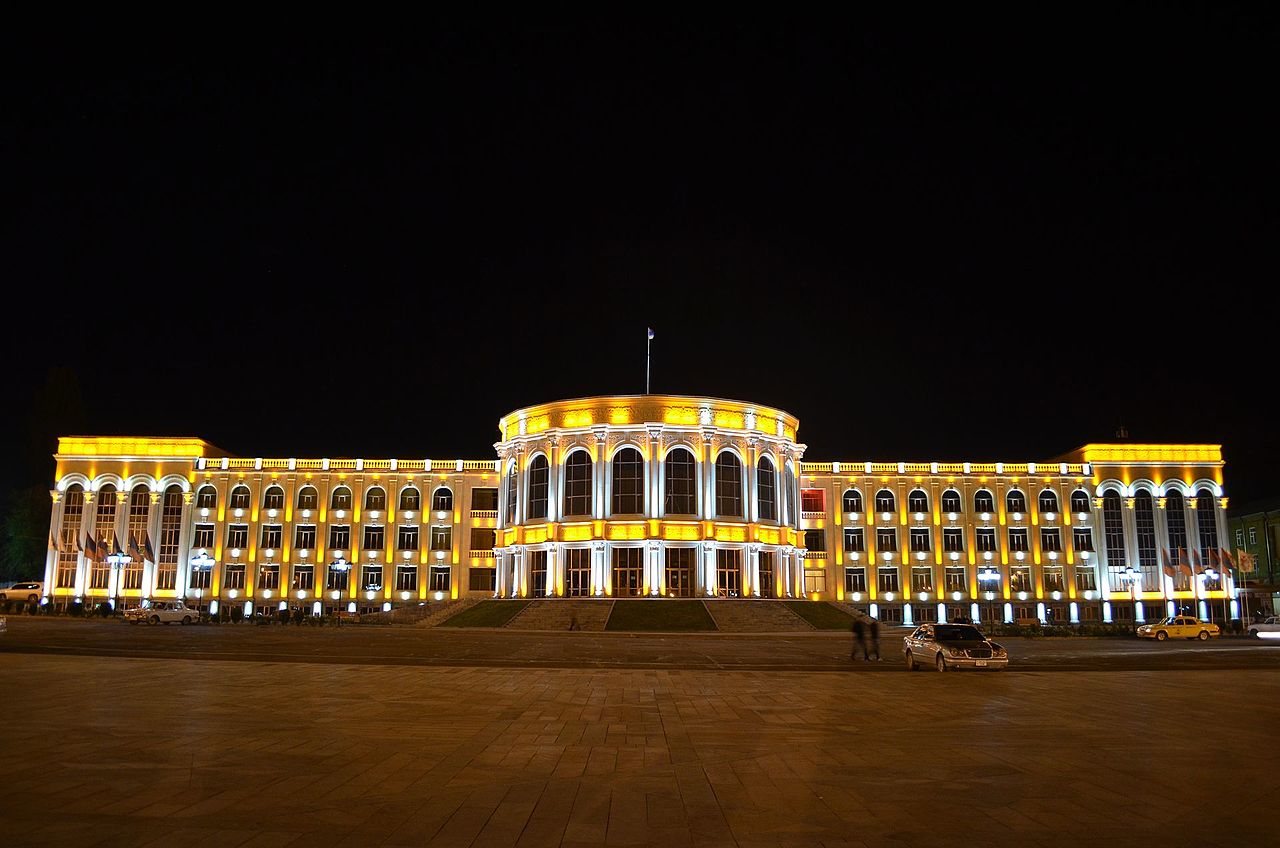
Characteristics and urban fabric
Gyumri is noted for a compact historic core often called the Kumayri district, where 19th-century stone houses, churches and public buildings survive alongside later Soviet-era structures. Many buildings reflect local stone masonry traditions and the influence of Russian imperial town planning. The nearby Sev Berd ("Black Fortress") is an example of 19th-century military architecture that marks the city’s strategic role in the region.
History and development
The settlement grew from an older fortified village and expanded under Russian imperial rule in the 19th century; it was later known as Alexandropol and during the Soviet period as Leninakan. The late Soviet and post‑Soviet eras have left deep marks: the devastating 1988 Spitak earthquake caused widespread destruction in Gyumri and neighboring communities, triggering long-term reconstruction, demographic change and international relief efforts.

Culture, economy and notable features
Gyumri has a strong reputation for arts, music, and craftsmanship. Museums, cultural houses and music schools preserve local traditions and display folk and applied arts. Historically the city supported textile, food-processing and mechanical workshops; today it continues as a regional service and cultural hub, with tourism focused on historic streets, museums and local cuisine.
Attractions and significance
- Dzitoghtsyan House‑Museum and other local museums that document everyday life and history.
- Kumayri historic district with 19th-century architecture and narrow streets.
- Sev Berd (Black Fortress) and surrounding open spaces reflecting the city’s strategic past.
Gyumri’s combination of historic buildings, cultural vitality and resilience after major disasters makes it a distinctive city within Armenia’s modern landscape. It continues to attract visitors interested in architecture, folk culture and the layered history of the South Caucasus.
Related articles
Author
AlegsaOnline.com Gyumri — Armenia’s second-largest city and cultural center Leandro Alegsa
URL: https://en.alegsaonline.com/art/41627