
Hope, British Columbia
Hope is a small district municipality in British Columbia, Canada, at the confluence of the Fraser and Coquihalla rivers. It is a regional gateway for highways, rail, and outdoor recreation.
Hope is a district municipality located in the Lower Mainland region of British Columbia, in the province of Canada. The town sits where the Fraser River meets the Coquihalla River, a setting that has shaped its role as a transportation junction and a base for outdoor activities. Small in population, Hope functions as a service centre for surrounding rural areas and as an access point to interior mountain routes.
Image gallery
10 Images




Geography and transport
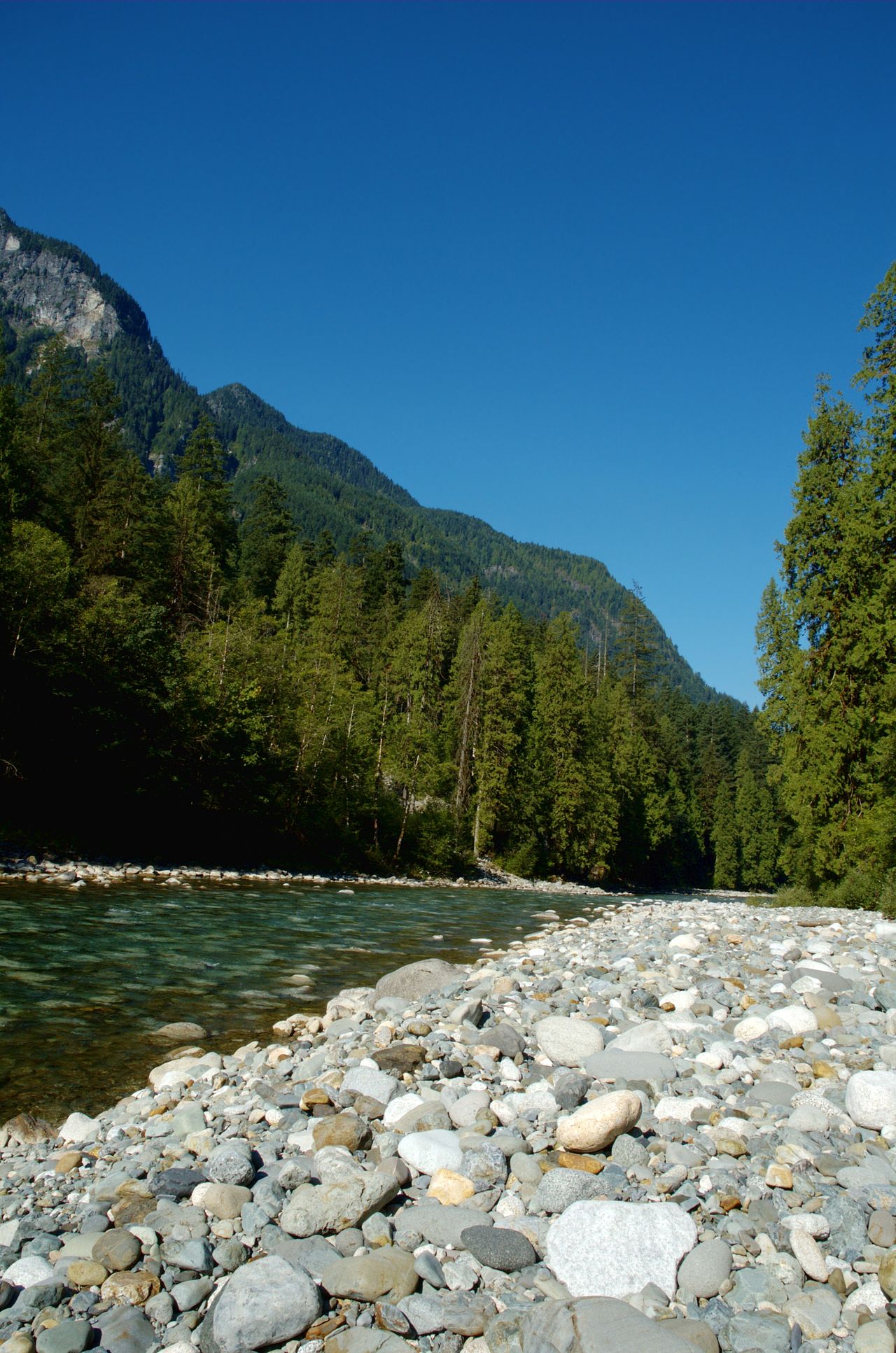
Hope occupies a valley position framed by steep hills and river corridors. Its location at key river confluences and along major road corridors gives it strategic importance: routes that connect the Lower Mainland with the southern interior and mountain parks converge in or near the town. Rail lines and provincial highways have historically passed through the area, making Hope a practical stopping point for travelers and freight moving east–west through southern British Columbia.
History
The area around Hope has long been home to Indigenous peoples whose lives were oriented to the rivers and valley landscapes. European-Canadian settlement expanded in the 19th and early 20th centuries as transportation links — including rail and later highways — connected coastal communities to the interior. During World War II a temporary internment site was established near Hope as part of the broader, and now widely criticized, wartime policy that affected Canadians of Japanese descent.
Attractions and recreation
Hope is known for outdoor recreation tied to its rivers, forests and nearby mountains. Popular activities include hiking, camping, fishing and scenic drives. Several trails and historic engineering features attract visitors who come to explore the local landscape and railway heritage.
- Hiking and mountain access: trails and provincial parks are within easy reach.
- River activities: angling and riverside recreation on the Fraser and Coquihalla.
- Heritage and scenic sites: rail-era structures and converted trail sections draw visitors.
Economy and community
Hope's economy blends local services, tourism, and industries tied to transportation and natural resources. The municipality supports community amenities, civic events and small businesses that serve residents and highway traffic alike. Census figures from the early 2000s recorded a population in the low thousands, reflecting its character as a small rural town rather than a large urban centre.
Notable facts
Hope is commonly described as a gateway to inland British Columbia because of its position on major travel routes. Its rivers, rail history and mountain approaches give it a mix of natural and cultural attractions. For further regional context and official information about the municipality and visitor services, see local government and tourism resources linked to the area.
References and external resources: provincial and national information sources provide maps, historical summaries and travel advice for Hope and its surrounding parks and transportation corridors. For regional river information, historical overviews, and wartime histories consult authoritative archives and government pages.
British Columbia information • Canada resources • Fraser River details • World War II and internment history
Related articles
Author
AlegsaOnline.com Hope, British Columbia Leandro Alegsa
URL: https://en.alegsaonline.com/art/45067