
Homophony (music): definition, characteristics, history and examples
Homophony is a musical texture where a principal melody is supported by accompanying harmony. This article explains its features, history, common uses, and how it differs from polyphony and counterpoint.
Overview
Homophony is a musical texture in which one clear melodic voice is combined with subordinate harmonic parts. The principal line—often called the melody—stands out while the other voices or instruments provide chords and accompaniment that move in a complementary way. In practical terms, homophonic writing makes the tune easy to follow and the text more intelligible when words are present. The concept applies broadly across vocal and instrumental music.
Image gallery
1 Image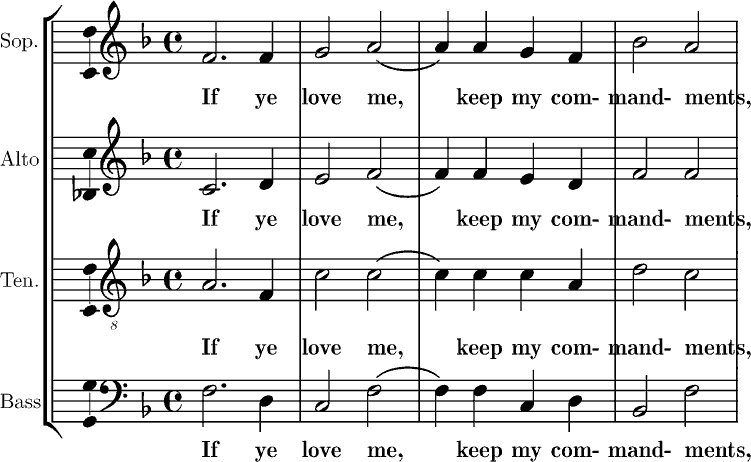
Key characteristics
Homophonic textures can take several forms, but share a few consistent features. Typical traits include:
- One dominant melodic line with supporting harmonic parts that generally move together rhythmically (block chords or broken accompaniments).
- Clear vertical harmony: the simultaneous sounding of notes forms chords that underpin the melody.
- Unison or homorhythmic singing in vocal ensembles: sections such as sopranos, altos, tenors, and basses often sing the same words at the same time, with the melody typically in the highest part.
History and development
Although elements of homophonic writing appear in many musical traditions, Western art music showed a marked shift toward homophony around the late Renaissance and into the Baroque era. Composers sought clearer delivery of text and more vertically oriented harmony, which supported the rise of tonal harmony as a governing system. As dramatic forms such as the composer-led opera emerged, clarity of the sung word became especially important, encouraging textures in which the narrative could be heard easily by listeners.
Uses and examples
Homophony is common in styles where clarity and singable melody are priorities. Examples include hymnody—where a congregational tune is supported by simple chords—the melodic lead in popular songs, much church music, and many passages of opera and art song where a solo voice carries the text. Typical examples are:
- Hymn singing, where the tune and harmonized accompaniment allow the congregation to sing together (hymn).
- Operatic recitative and arias that prioritize text intelligibility (opera).
- Secular vocal forms such as madrigals when composers deliberately simplify texture for clarity.
Distinctions and related concepts
Homophony contrasts with polyphony, where multiple independent melodic lines interweave and share equal importance. In polyphonic writing the words can be harder to understand because voices enter at different moments with different melodies; composers often accepted this in liturgical contexts where the text was already familiar. The study of how independent lines are combined is called counterpoint, a discipline that underpins much polyphonic composition. Understanding these distinctions helps performers choose appropriate balance and articulation when rehearsing and presenting music.
Notable facts and listening tips
When listening for homophony, focus on whether one line stands out as the tune and whether the other parts move in the same rhythm or provide chordal support. In choral settings the training of sections such as sopranos and altos often emphasizes blending so that the melody remains prominent while harmony enriches the sound. For historical context, try comparing a Renaissance polyphonic mass with a Baroque aria to hear the practical differences in texture and text clarity.
For further reading and examples, consult introductory texts on harmony and texture or listen to recordings that isolate homophonic arrangements. Useful starting points include choral anthologies and well-documented operatic arias where the relationship between melody and accompaniment is easy to perceive. See also basic materials on chords and counterpoint to contrast the underlying techniques that produce different textures.
Additional topics connected with homophony include performance practice, hymnody conventions, and the role of individual composers in popularizing certain textures. Musical examples in modern genres—pop, folk, and some jazz—also frequently employ homophonic arrangements, demonstrating the texture's broad practical importance across eras and styles.
See related entries on vocal ranges (tenors, basses), formal vocal genres (opera, madrigals), and technical terms such as counterpoint and chords for deeper study.
Related articles
Author
AlegsaOnline.com Homophony (music): definition, characteristics, history and examples Leandro Alegsa
URL: https://en.alegsaonline.com/art/44948