
Hong Kong International Airport (Chek Lap Kok)
Major aviation hub serving Hong Kong, built on reclaimed land at Chek Lap Kok; a leading international passenger and cargo airport, hub for local carriers and linked by advanced surface transport.
Overview
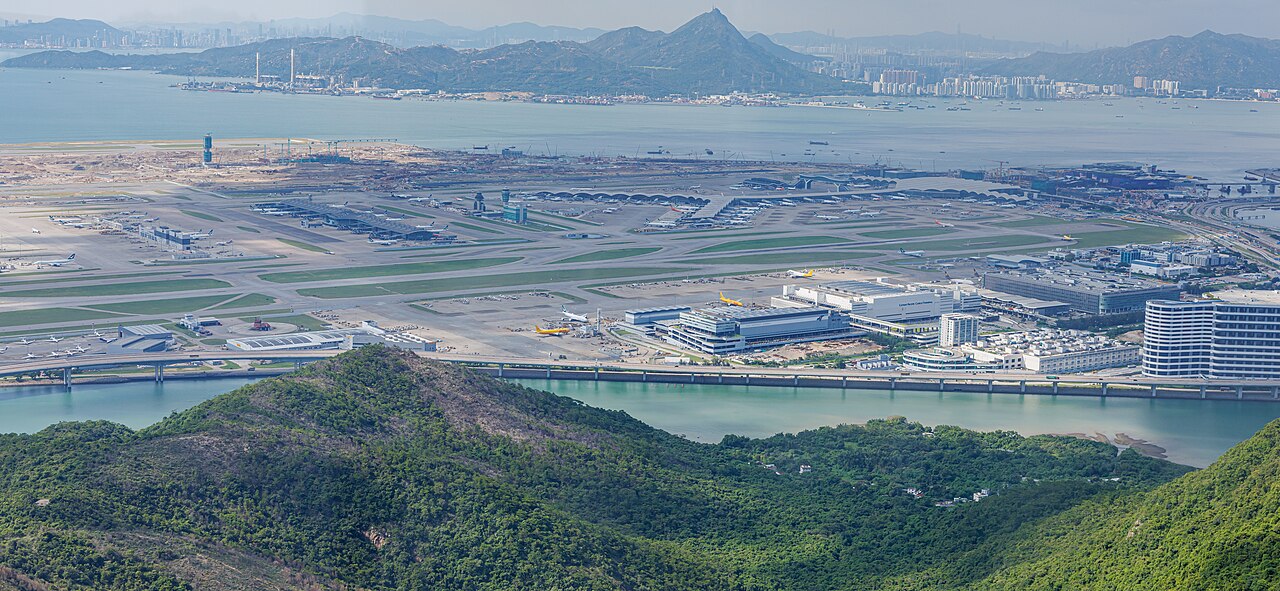
Hong Kong International Airport, commonly referred to as Chek Lap Kok, is the principal airport serving the Hong Kong Special Administrative Region. It is identified by the IATA code HKG and the ICAO code VHHH. Constructed on reclaimed land at Chek Lap Kok on Lantau Island, the facility opened in 1998 to replace the former Kai Tak Airport. Designed as a modern international gateway, the airport handles a mixture of scheduled passenger services, regional links and substantial air cargo operations and is widely recognized among the world’s major aviation hubs.
Image gallery
10 Images



Design, construction and architecture
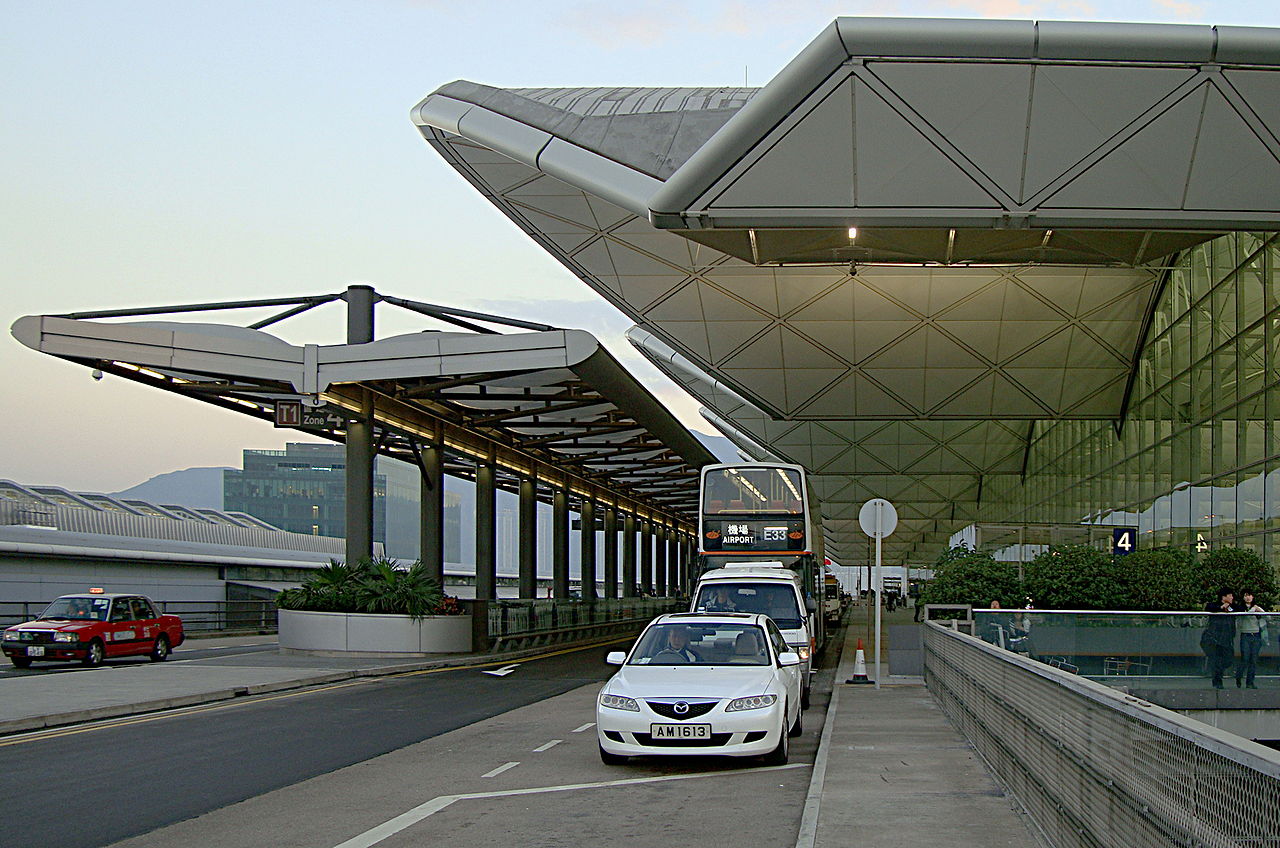
The airport was the result of a large-scale engineering and land reclamation programme, merging nearby islets into a purpose-built platform for terminals, runways and support facilities. The terminal architecture was led by a prominent international firm, and the project attracted attention for its scale and technical complexity during the late 1990s. The masterplan emphasized capacity, operational efficiency and passenger circulation, enabling rapid connections between aircraft, check-in and ground transport.
Facilities and operations
The airport comprises major passenger terminals, cargo aprons and supporting maintenance and logistics facilities. It serves as a primary hub for several carriers, including Cathay Pacific (Cathay Pacific), Hong Kong Airlines, HK Express and Air Hong Kong, providing both passenger and freighter services. The airport has been consistently rated highly by independent airport rankings and industry surveys, receiving repeated recognition for service quality and cargo throughput, and it ranks among the busiest airports in the world for international passengers and air freight.
- Passenger terminals and concourses configured for quick transfers and retail amenities.
- Extensive cargo handling infrastructure supporting express and scheduled freight.
- Advanced airfield systems and navigational aids to support dense traffic flows.
Transport links
Surface connections link the airport to downtown Hong Kong and outlying areas. A dedicated airport rail line provides a fast connection to the central business district, while expressways, scheduled buses and taxis offer alternative road access. Sea connections and ferry transfer services, including an international transfer facility, extend the airport’s reach to nearby ports and borders. The integrated transport network was a key part of the airport’s planning, allowing smooth interchange between long-haul flights and onward surface travel.
History, significance and comparisons
The need for a replacement airport arose from constraints at the former Kai Tak site, which limited traffic growth and aircraft types. Opening in 1998 solved those limitations and positioned Hong Kong to expand its role in global aviation and logistics. Over the following decades the airport consolidated its position as a major Asian hub and a leading cargo gateway. It is often compared with other notable regional airports such as Singapore Changi and Incheon (Seoul Incheon International Airport) in discussions of service quality and operational standards.
Notable facts and ongoing development
The airport has won multiple industry awards for performance and customer service, and authorities have continued to invest in capacity and technologies to keep pace with evolving demand. Expansion projects and improvements to terminals, cargo handling and surface access have been phased to meet anticipated traffic growth. As a strategic transport node for the region and a hub for local carriers, the airport remains central to Hong Kong’s role in tourism, trade and global connectivity.
For further technical details, schedules and passenger guidance consult official resources or carrier information portals; for general background see regional aviation summaries and airport reports produced by industry organisations and transport authorities.
Related articles
Author
AlegsaOnline.com Hong Kong International Airport (Chek Lap Kok) Leandro Alegsa
URL: https://en.alegsaonline.com/art/44998
Sources
- books.google.com : Hong Kong Business: The Portable Encyclopedia for Doing Business with Hong Kong
- wikidata.org : wikidata.org/wiki/Q17704
- d-nb.info : 4702948-1
- isni.org : 0000 0000 9011 3017
- id.loc.gov : n2001002129
- viaf.org : 131536593
- worldcat.org : lccn-n2001002129