
History of Racial Segregation in the United States
A concise, balanced account of racial segregation in the United States: origins in slavery, legal and social systems like Jim Crow, key legal changes, and continuing de facto segregation.
Overview
Racial segregation refers to the enforced or customary separation of people along racial lines. In the United States this practice developed over centuries and took many forms, from slavery and exclusionary laws to residential separation and separate public facilities. Different periods in U.S. history created distinct legal and social mechanisms that produced and sustained segregation; some were explicit government policies, while others emerged through private actions and economic structures. For a basic definition, see definitions of segregation.
Image gallery
10 Images

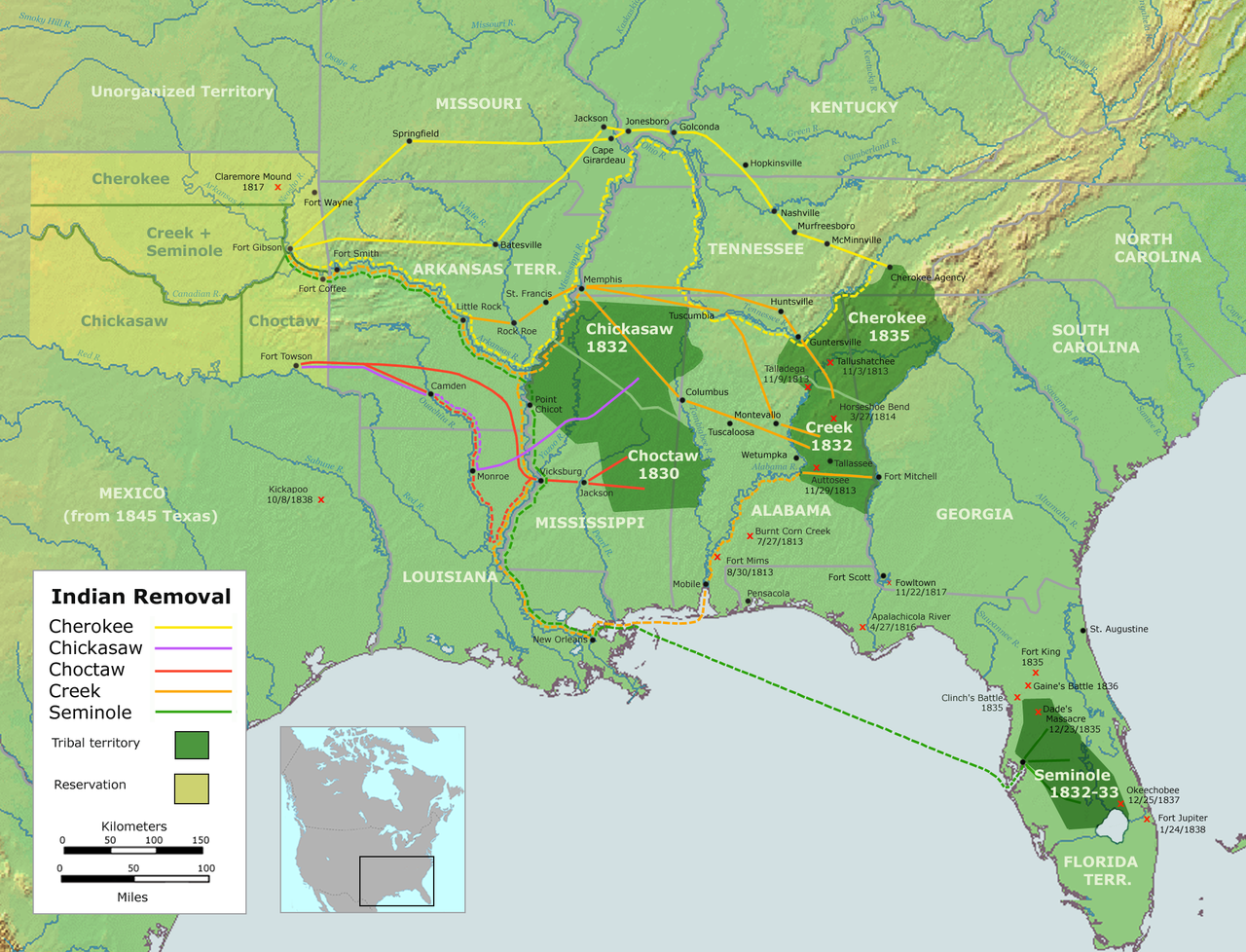

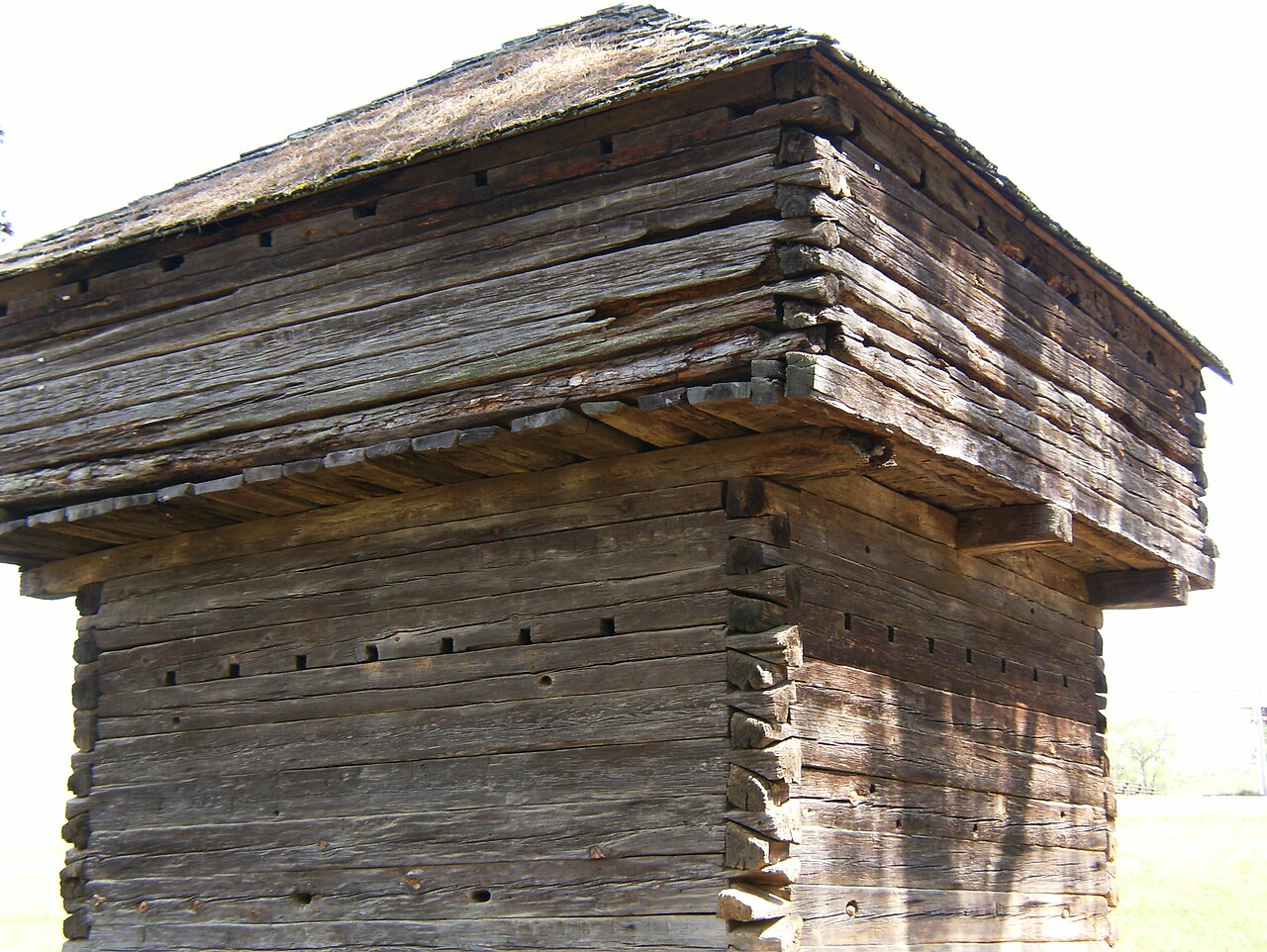


Origins and legal framework
Segregation has roots in the transatlantic slave trade and the institution of slavery in North America, which denied basic rights to millions of African Americans and Native Americans. After the Civil War era, federal amendments and Reconstruction initially expanded rights, but many states adopted laws and practices that restricted those gains. The late 19th and early 20th centuries saw state-sanctioned de jure segregation, often called Jim Crow, which was upheld by court rulings such as landmark decisions and sustained by local ordinances, voting restrictions, and employment barriers.
Legal challenges and civil rights reforms
The 20th century brought organized legal and social campaigns against segregation. Strategic litigation, grassroots protests, and national movements challenged separate-but-equal doctrines and discriminatory laws. Key turning points include appeals and court rulings that reversed formal segregation and federal legislation that outlawed many discriminatory practices; important milestones are discussed in scholarly summaries and timelines at historical resources and civil rights collections at archival repositories.
Forms, examples, and lasting effects
- Education: segregated schools and later patterns of unequal funding or resegregation.
- Housing: restrictive covenants, redlining, and persistent residential segregation.
- Public life: separate transportation, theaters, restaurants, and unequal policing.
While explicit legal segregation has been largely dismantled, many scholars and policymakers note enduring disparities and informal segregation—often described as de facto segregation—rooted in economic inequality, discriminatory lending and zoning, and institutional practices. For contemporary analyses and data, see policy research and interpretive essays at academic sources.
Importance and distinctions
Understanding the history of segregation involves distinguishing between legally enforced systems and social or economic patterns that produce similar outcomes. The topic remains central to discussions about equality, public policy, education, housing, and criminal justice. Historical context helps explain present disparities while guiding legal and civic efforts to address them.
Questions and answers
Q: What is racial segregation?
A: Racial segregation is the practice of separating people based on their race.
Q: When did racial segregation begin in the United States?
A: Racial segregation has existed in the United States since before it was its own country.
Q: What caused racial segregation to become so prevalent in the US?
A: Slavery, racist laws, and racist attitudes were all major contributing factors to why racial segregation became so widespread in the US.
Q: Is racial segregation still legal today?
A: No, racial segregation is now illegal according to US law.
Q: Are there still racist attitudes present today?
A: Yes, although racism is no longer legally sanctioned, there are still many instances of racism and prejudice that exist today.
Q: Have new forms of segregation developed over time?
A: Yes, even though overt forms of racial discrimination have been outlawed, new forms of discrimination have emerged over time as a result of systemic racism and other social issues.
Q: How can we combat modern forms of racism and discrimination?
A: We can work together to raise awareness about racism and its effects on society by engaging in meaningful dialogue with each other and advocating for change through education and policy reform.
Related articles
Author
AlegsaOnline.com History of Racial Segregation in the United States Leandro Alegsa
URL: https://en.alegsaonline.com/art/44482
Sources
- civilrights.org : "Civil Rights Chronology"
- britannica.com : "The Founding Fathers and Slavery"
- archives.gov : "Constitution of the United States: Amendments 11-27"
- archives.gov : "Timeline of Events Leading to the Brown v. Board of Education Decision, 1954"
- doi.org : 10.1353/lac.2006.0042
- civilrights.org : The Future of Fair Housing: Report of the National Commission on Fair Housing and Equal Opportunity
- ourdocuments.gov : "Executive Order: Establishing the President's Committee on Equality of Treatment and Opportunity in the Armed Services"
- splcenter.org : "Civil Rights Martyrs"
- history.state.gov : "Indian Treaties and the Removal Act of 1830"
- doi.org : 10.2307/1227621
- jstor.org : 1227621
- amazon.com : B0047UTKF0
- nps.gov : "Trail of Tears National Historic Trail: Stories"
- nlm.nih.gov : "President Grant advances "Peace Policy" with tribes"
- millercenter.org : Ulysses S. Grant: Domestic Affairs