
History of Astronomy: From Ancient Skywatching to Modern Astrophysics
Survey of astronomy’s development: ancient observations, classical models, medieval advances, the scientific revolution, and modern observational and theoretical astronomy.
Overview
The history of astronomy traces how humans have observed and interpreted the sky from prehistoric times to the present. Early skywatching produced calendars, navigation methods and religious calendars; over centuries those practical needs gave rise to increasingly systematic models of celestial motions. For an organized introduction and resources, see further reading.
Image gallery
10 Images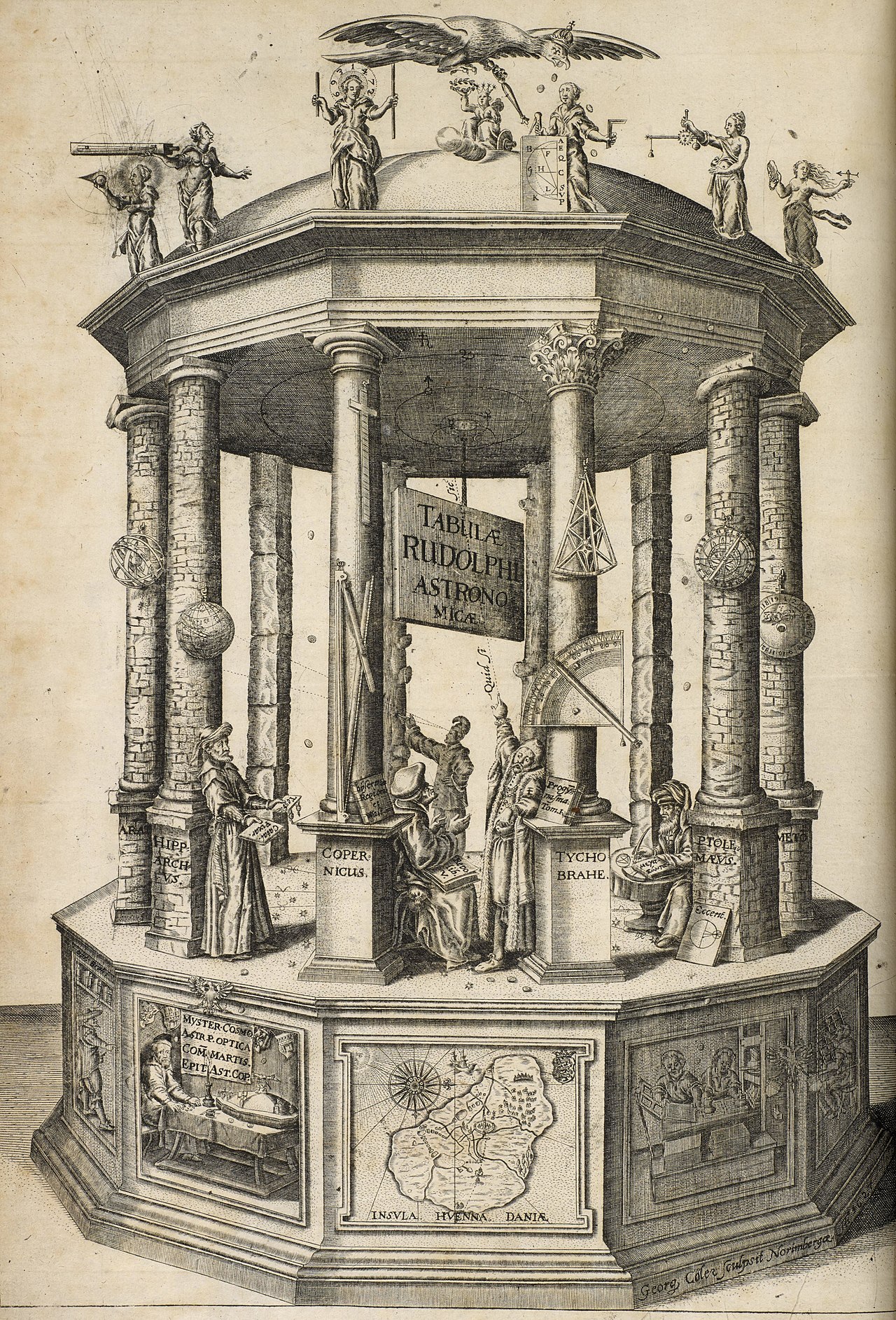






Early observations and practical origins
Before formal science, many cultures recorded positions of the Sun, Moon and visible planets to mark seasons and guide agriculture. Monumental alignments, star names and simple instruments such as sundials and the astrolabe helped measure time and direction. Babylonian, Egyptian and Chinese records preserved planetary cycles and eclipses, forming a foundation for later theoretical work.
Classical and medieval developments
Greek thinkers introduced geometric models that aimed to explain observed motions; the geocentric system became dominant through Ptolemy’s synthesis. Between antiquity and the Renaissance, scholars in the Islamic world refined observations, developed new instruments and preserved classical texts. Their work later reentered Europe and influenced the emerging scientific approach.
Scientific revolution and modern astronomy
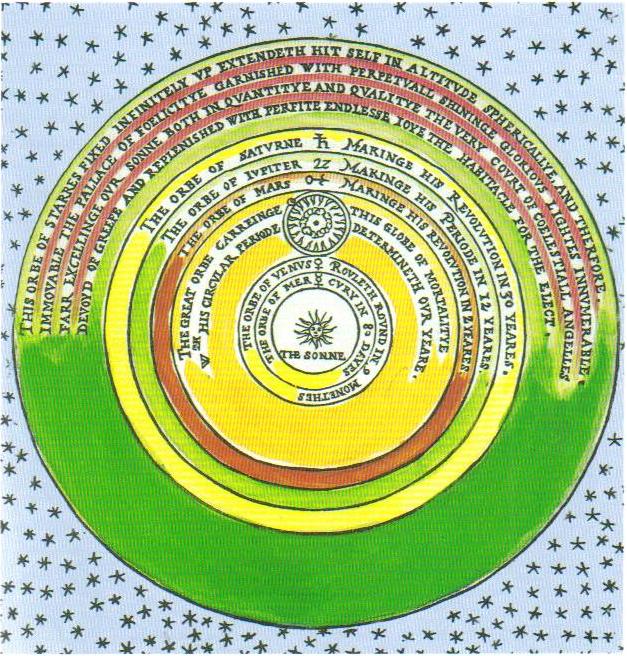
Beginning in the 16th–17th centuries, a shift occurred: heliocentric models, quantitative laws of planetary motion, telescopic observations and the application of gravity transformed astronomy into a predictive science. Over the 19th and 20th centuries, spectroscopy, photography, radio astronomy and space telescopes expanded what could be seen and measured, leading to astrophysics: the study of stars, galaxies and cosmology using physics.
Tools, methods and significance
Key tools include optical telescopes, spectrographs, radio dishes and space observatories; data analysis and theoretical models now rely on computers. Astronomy’s influences are broad: it underpins calendars and navigation, inspired technological innovation, and contributes to fundamental questions about the universe’s origin, structure and fate.
Notable distinctions and legacy
- Observational vs theoretical: modern practice combines precise measurement with physical interpretation.
- Practical origins: many advances began from needs like timekeeping and navigation.
- Cross-cultural development: progress has drawn from many civilizations across eras.
Related articles
Author
AlegsaOnline.com History of Astronomy: From Ancient Skywatching to Modern Astrophysics Leandro Alegsa
URL: https://en.alegsaonline.com/art/44455