
Hinsdale County, Colorado — remote mountain county and Lake City seat
Hinsdale County is a sparsely populated, mountainous county in Colorado known for high-elevation wilderness, a mining-era past, outdoor recreation, and the small county seat of Lake City.
Hinsdale County is a sparsely populated, predominantly mountainous county in the state of Colorado in the United States. According to the 2010 census, the county had 843 residents, making it one of the least populous counties in the state. The county seat and principal service town is Lake City, which functions as the local center for commerce, government and tourism.
Image gallery
4 Images

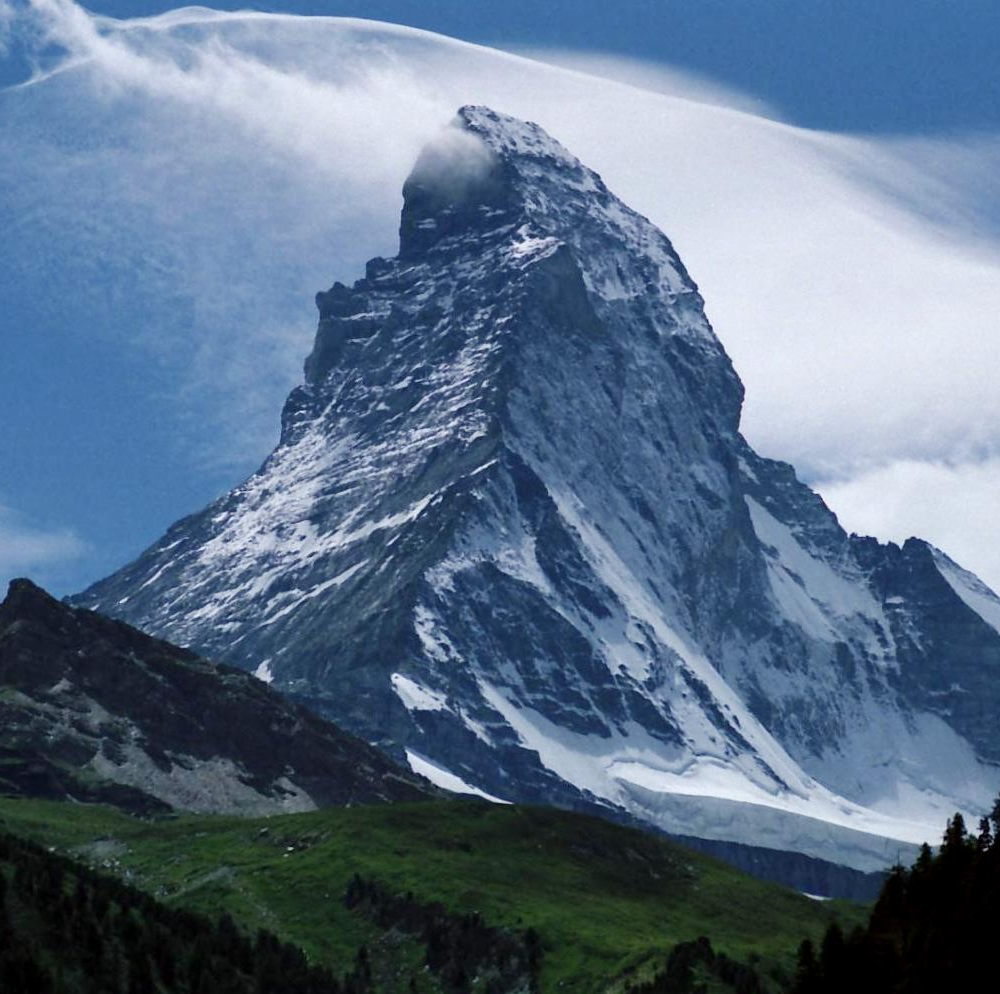

Location and landscape
Hinsdale County lies in southwestern Colorado amid the high San Juan Mountains. Much of its area is rugged and undeveloped, with alpine valleys, numerous lakes and short, steep river valleys. Extensive public lands, wilderness areas and forested drainages dominate the landscape, offering habitat for native wildlife and opportunities for backcountry activities. The county's high elevation and short growing season limit large-scale agriculture and favor open range and specialized uses.
History and development
The county's modern settlement pattern emerged during the mining booms of the late 19th century, when prospectors and supporting communities sprang up near mineral deposits. Lake City developed as a supply and processing center for nearby mines and has preserved elements of that historic era. Over time many mining camps declined, leaving scattered ghost towns and historic sites that are of interest to visitors and historians.
Economy and recreation
Today the local economy depends on a mix of tourism, outdoor recreation, small-scale ranching and service activities. Hiking, fishing, backpacking, four-wheel driving and wildlife viewing are popular pursuits; the county's remoteness and public land access make it attractive to people seeking wilderness experiences. Seasonal events and historic attractions in Lake City also bring visitors to the area.
Government, population and character
With a very low population density, Hinsdale County maintains a small local government focused on basic services and land-management coordination. Demographically the county has few population centers beyond Lake City, and seasonal visitation can significantly increase local activity. Its combination of high-elevation scenery, historic sites and quiet roads sets it apart from Colorado's more urban counties.
Notable facts
- Third-least populous counties in the state by the 2010 count.
- Extensive public lands and designated wilderness areas surround communities.
- Historic mining heritage and preserved townscapes attract heritage tourism.
For official data and resources about public services, land use and tourism, consult county and state publications or local visitor information centers, which provide current details about access, events and precautions for high-altitude outdoor activities.
Related articles
Author
AlegsaOnline.com Hinsdale County, Colorado — remote mountain county and Lake City seat Leandro Alegsa
URL: https://en.alegsaonline.com/art/44309