
Hiroshima Prefecture
Hiroshima Prefecture, on western Honshu in Japan’s Chūgoku region, is known for its coastal islands, industrial economy, Miyajima shrine, and the Hiroshima Peace Memorial commemorating the 1945 atomic bombing.

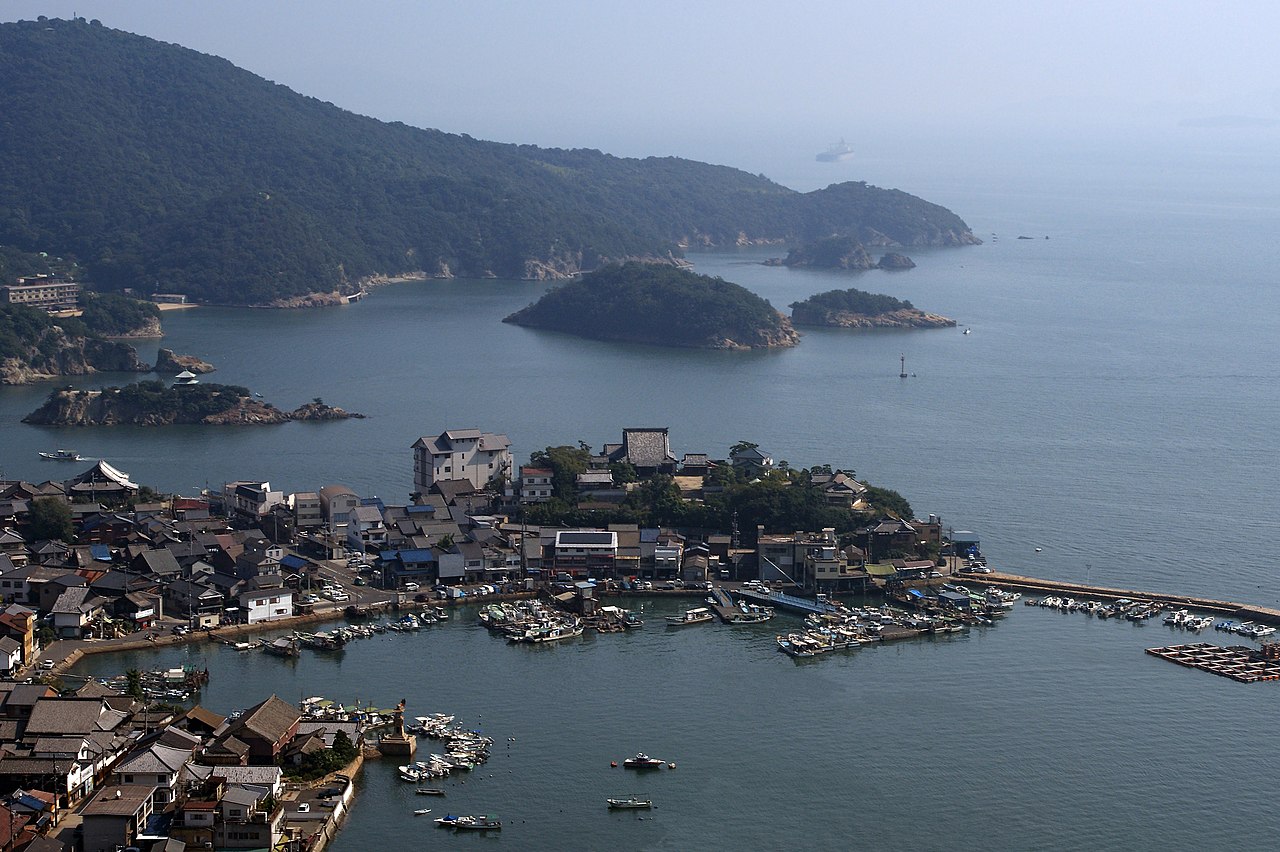
Hiroshima Prefecture occupies a central position on the Seto Inland Sea side of western Honshu. The prefectural capital is Hiroshima, a major city and regional hub. Administratively part of the Chūgoku region, the prefecture faces the inward sea and contains many islands, peninsulas and a varied coastline along the island of Honshu.
Image gallery
10 Images





Geography and environment
The landscape mixes narrow coastal plains with inland hills and more rugged mountains to the north. A large number of small islands in the Seto Inland Sea create scenic shorelines and support fisheries. The climate is generally temperate with relatively mild winters and warm, humid summers, influenced by the sheltered inland sea.
History and legacy
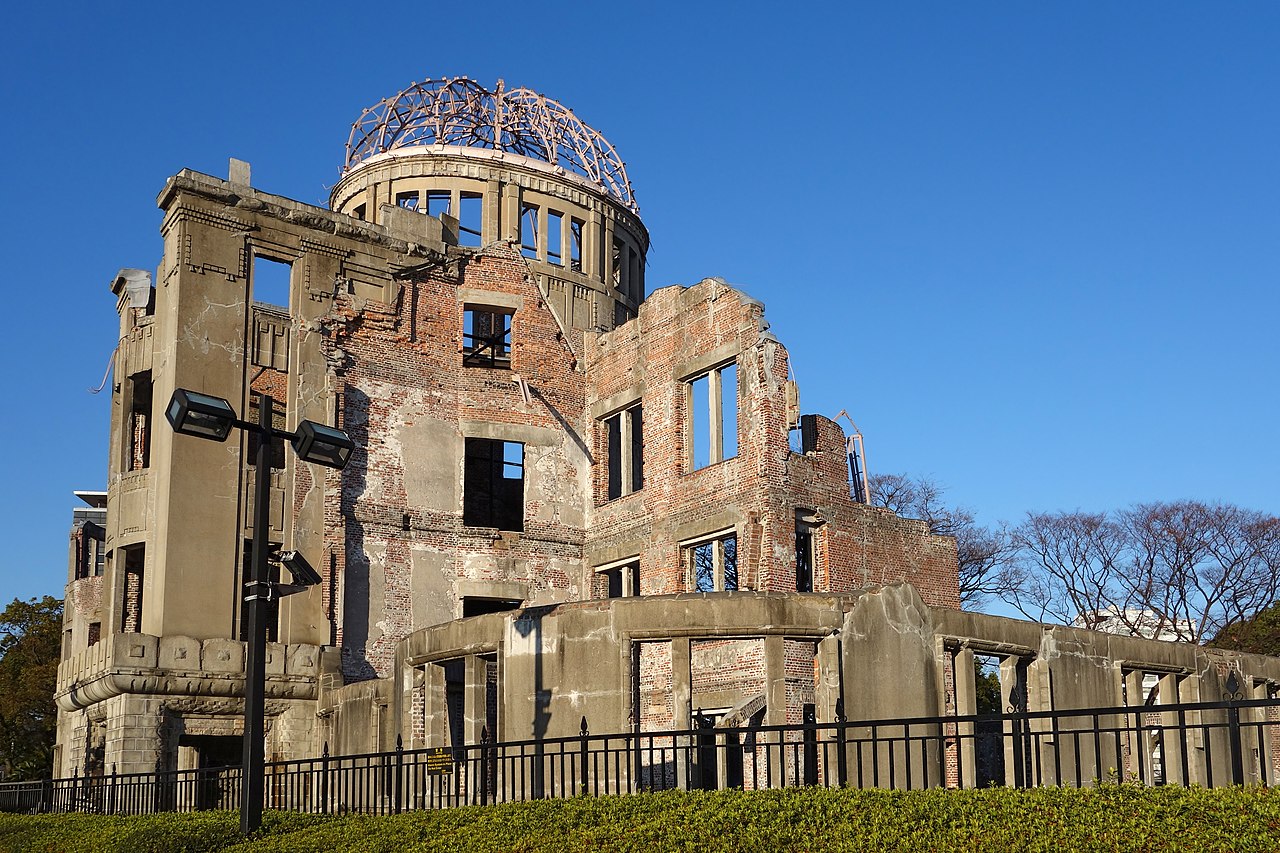
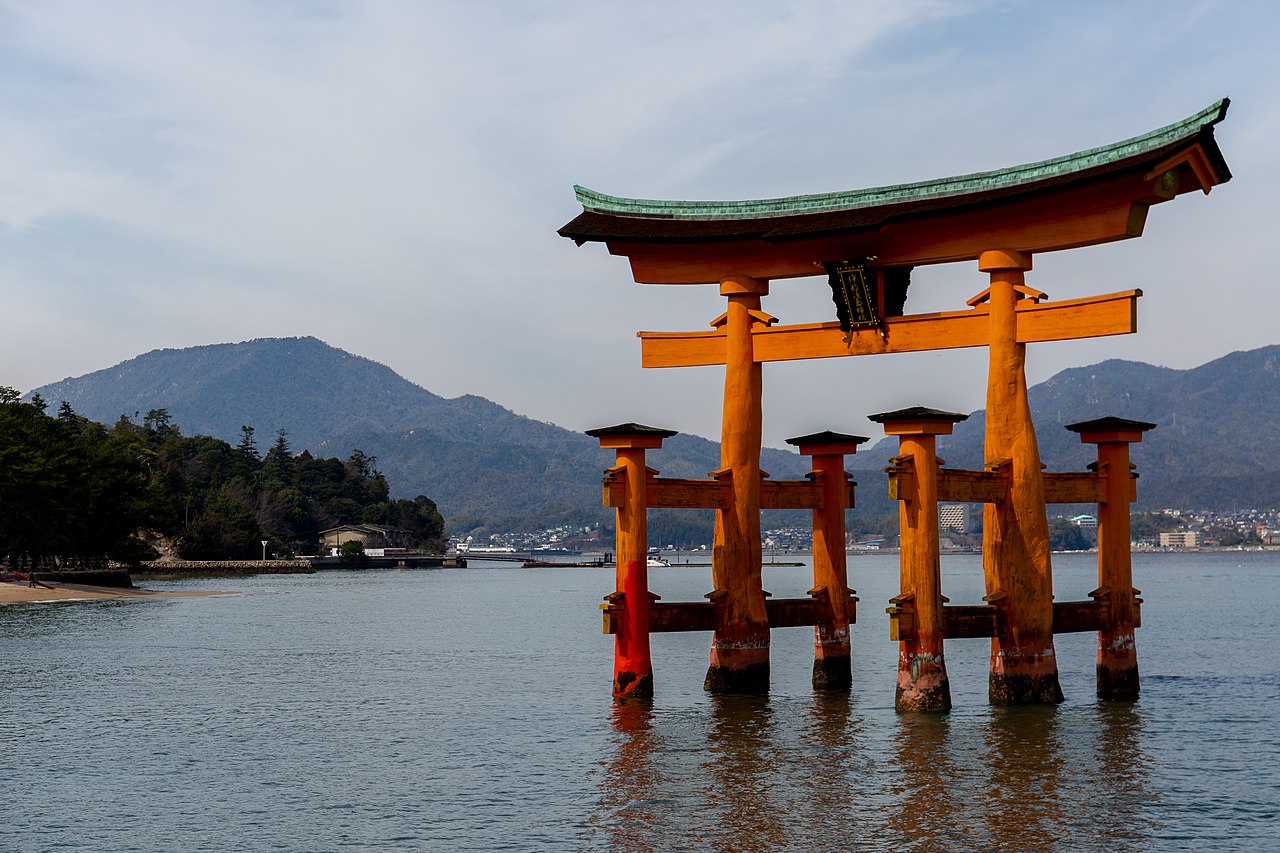
Parts of the modern prefecture were historically organized into older provinces and developed as castle towns in the early modern period. Hiroshima city became widely known worldwide after the atomic bombing in August 1945; the city was rebuilt and has since become a center for peace advocacy and reconciliation. The Itsukushima Shrine on Miyajima and the Hiroshima Peace Memorial (the Genbaku Dome) are internationally recognized heritage sites.
Economy, culture and specialties
The local economy combines manufacturing, heavy industry and maritime activities with agriculture and tourism. Notable industries include automobile manufacturing and shipbuilding, complemented by smaller-scale food processing and traditional crafts. Regional cuisine highlights include oysters from the inland-sea waters and a distinctive Hiroshima style of okonomiyaki (savory pancake).
Attractions and travel
- Hiroshima Peace Memorial Park and Museum — commemorating the 1945 bombing and promoting peace.
- Itsukushima Shrine on Miyajima — famed for its "floating" torii gate and island temples.
- Coastal drives, ferry routes among the Seto Inland Sea islands, and local festivals.
- Access by rail, including services on the Sanyo corridor, regional airports and ferry links.
Hiroshima Prefecture is frequently visited for its combination of historical significance, cultural sites and coastal scenery. It functions as a commercial and transportation center for western Honshu while preserving natural areas and island communities that shape its regional character.
Questions and answers
Q: What is Hiroshima Prefecture?
A: Hiroshima Prefecture is a Japanese prefecture located in the Chūgoku region of the island of Honshu.
Q: What is the capital city of Hiroshima Prefecture?
A: The capital city of Hiroshima Prefecture is Hiroshima.
Q: Where is Hiroshima Prefecture located?
A: Hiroshima Prefecture is located in the Chūgoku region of the island of Honshu.
Q: What is the meaning of the term 'ken' in Hiroshima-ken?
A: The term 'ken' in Hiroshima-ken means 'prefecture' in Japanese.
Q: What famous event occurred in Hiroshima?
A: The famous event that occurred in Hiroshima was the atomic bombing during World War II on August 6, 1945.
Q: How did Hiroshima Prefecture recover from the atomic bombing?
A: Hiroshima Prefecture recovered from the atomic bombing through significant rebuilding and establishing itself as a symbol of peace.
Q: What industries are present in Hiroshima Prefecture?
A: Industries present in Hiroshima Prefecture include automobile manufacturing, shipbuilding, and tourism.
Related articles
Author
AlegsaOnline.com Hiroshima Prefecture Leandro Alegsa
URL: https://en.alegsaonline.com/art/44394
Sources
- books.google.com : "Hiroshima-ken"
- books.google.com : "Chūgoku" at pp. 127
- books.google.com : "Hiroshima" at pp. 319-320
- books.google.com : "Provinces and prefectures" at p. 780
- env.go.jp : "General overview of area figures for Natural Parks by prefecture"
- eos.kokugakuin.ac.jp : "Nationwide List of Ichinomiya," p. 3