
High-speed rail in the United Kingdom
Overview of high-speed rail in the UK: infrastructure, services, history, major projects, technical features, benefits, and planning challenges affecting future development.
High-speed rail in the United Kingdom comprises a mixture of purpose-built lines, upgraded conventional routes and faster trains operating on shared track. Dedicated high-speed infrastructure remains limited compared with some continental networks, but where it exists it has reduced journey times, supported international links and shaped national capacity planning.
Image gallery
10 Images


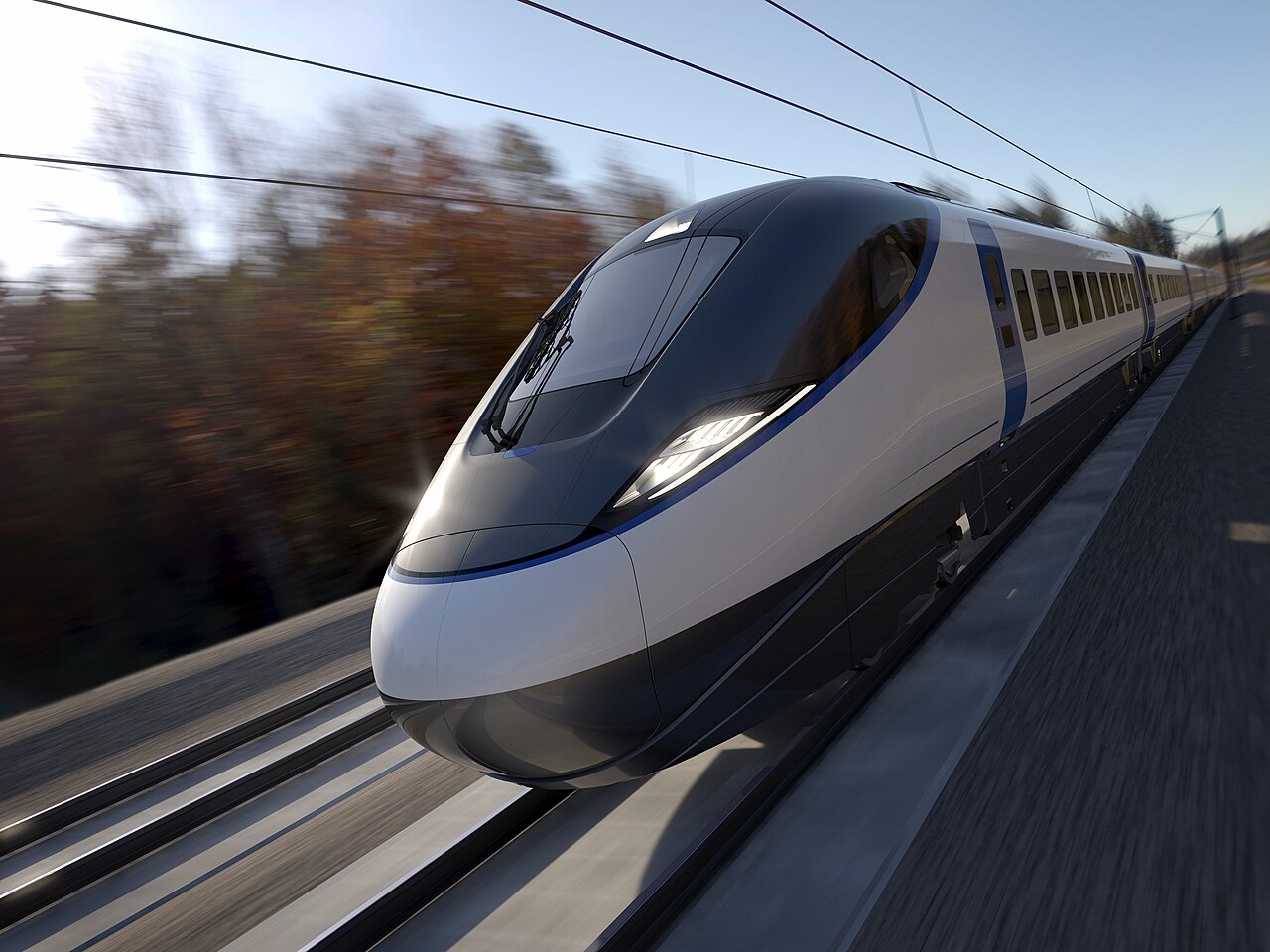


Characteristics and components
UK high-speed services combine electrified overhead lines (standard new-build electrification uses 25 kV AC), improved track geometry, modern signaling and rolling stock designed for sustained higher speeds. Constraining factors include a relatively small loading gauge compared with continental networks, dense land use that complicates alignments, and the need to integrate new operation with legacy infrastructure. Technology trends include in-cab signaling and digital traffic management to increase capacity where physical expansion is limited.
Infrastructure and services
- Dedicated routes: The principal new-build line linking London to the Channel Tunnel (branded as HS1) provides the core continental connection and also supports domestic high-speed services.
- Upgraded classic lines: Major intercity corridors have been modernized to permit higher speeds and faster timetable recovery, with a mix of electrification, realignment and signaling improvements.
- Rolling stock: Fleet types used on faster services include electric multiple units, tilting trains and locomotive-hauled sets adapted for higher-speed operation and passenger comfort.
History, major projects and policy
Development has progressed in stages: incremental speed increases on existing routes, construction of new dedicated links for international traffic, and proposals for new domestic high-speed corridors. Large-scale projects have attracted sustained public debate over costs, environmental impacts and regional benefits, and planning decisions have influenced the scale and phasing of construction.
Benefits, constraints and future prospects
High-speed rail can shorten journey times, increase rail capacity and encourage modal shift away from short-haul aviation and road transport. Practical constraints include high capital costs, engineering complexity in built-up areas, and the challenge of integrating new routes with an older network. Future developments are likely to combine targeted new-build sections, further upgrades to classic lines, wider electrification and deployment of digital signaling and alternative traction technologies to improve flexibility and reduce emissions.
Related articles
Author
AlegsaOnline.com High-speed rail in the United Kingdom Leandro Alegsa
URL: https://en.alegsaonline.com/art/44125
Sources
- highspeed1.co.uk : "About us - High Speed 1"
- hs2.org.uk : "Timeline"
- bbc.com : "Osborne urges 'HS3' for northern England"
- infrastructure-intelligence.com : "Firm pitches "an M25 for high-speed trains" to pass through Heathrow and Gatwick"