
Anna Magnani: Italian Stage and Film Actress
Anna Magnani (1908–1973) was an Italian actress celebrated for intense, natural performances in theater and cinema, noted for roles in neorealist films and for winning the Academy Award for The Rose Tattoo.
Overview
Anna Magnani was an Italian actress whose powerful, earthy performances made her one of the most recognizable faces of mid-20th century European cinema. She combined a background in the theatre with a raw, emotionally direct screen presence that resonated with audiences and critics alike. Her international profile grew through a mix of Italian neorealist works and select Hollywood projects, most famously earning an Academy Award for Best Actress.
Image gallery
5 Images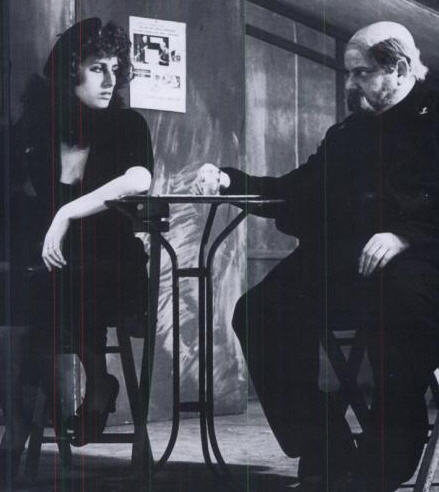



Early life and stage beginnings
Born in Rome in 1908, Magnani began her career in the world of live performance, developing the timing and vocal strength that would become hallmarks of her work. Her early experience as a stage performer informed a physical, improvisatory approach to acting, and she gradually moved into cinema while retaining the immediacy of theatrical technique. Her Roman origins are often cited as a formative influence on the authenticity she brought to local characters and settings (Rome).
Acting style and screen persona
Magnani was known for portraying passionate, resilient women, frequently from working-class or marginal backgrounds. Critics and historians emphasize her naturalism: a voice that could be both harsh and tender, gestures that felt improvised, and an emotional intensity that avoided glamour in favor of truthfulness. This style made her a central figure in postwar Italian cinema and contributed to a wider appreciation of non-stylized performance in international film circles. She moved fluidly between intimate character studies and larger, dramatic narratives.
Selected films
- Rome, Open City — a landmark of Italian neorealism.
- The Miracle — a controversial, striking performance as an outsider.
- Stromboli — a collaboration that reached international audiences.
- The Golden Coach — a notable role in a theatrical, period setting.
- The Rose Tattoo — the film that brought her the Academy Award.
Recognition and legacy
Her Academy Award win for The Rose Tattoo signaled rare recognition of an Italian actress by Hollywood at the time and helped cement her reputation beyond Italy. Magnani's commitment to authenticity influenced later generations of actors and filmmakers who sought a more immediate, lived-in quality on screen. She remains a reference point in studies of neorealism and 20th-century European performance, celebrated for breaking stereotypes about femininity and star image.
Final years
Magnani continued to work into the late 1960s and early 1970s, returning often to Italian cinema and theatre. She died in Rome at age sixty-five from pancreatic cancer, leaving a filmography and public persona that are still widely discussed in film history. For further reading on her career and cultural impact, see dedicated biographies and film retrospectives (film resources and archives).
Related articles
Author
AlegsaOnline.com Anna Magnani: Italian Stage and Film Actress Leandro Alegsa
URL: https://en.alegsaonline.com/art/4370