
Anna Seghers
German novelist (1900–1983) best known for fiction about exile, resistance and moral dilemmas under Nazism; author of The Seventh Cross and Transit; emigrated during the 1930s and later returned to East Berlin.

Overview
Anna Seghers (born Anna Reiling, 1900–1983) was a German writer whose fiction focused on the ethical and social consequences of fascism, war and exile. Her work reached an international readership during and after the Second World War and became influential both for its narrative engagement with political history and for its portrayal of individual conscience and collective responsibility.
Image gallery
3 Images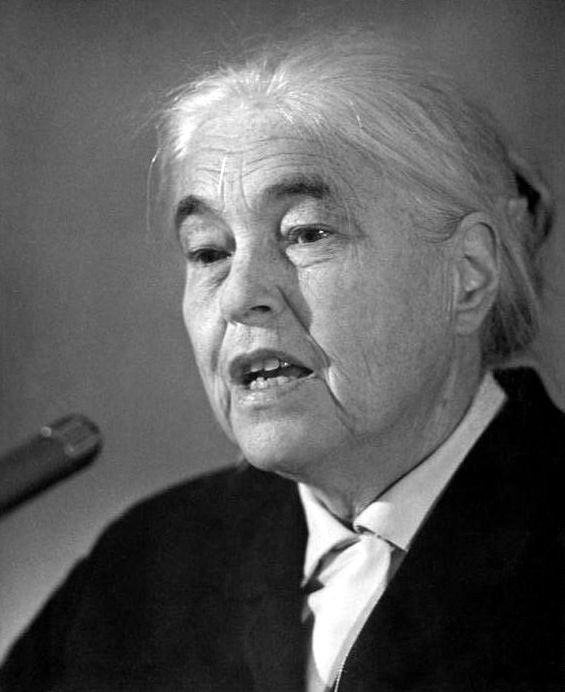


Life and exile
Born into a Jewish household in 1900, Seghers came of age during the upheavals of the early twentieth century and briefly served as a nurse during World War I before completing her school examinations (the abitur) in 1920. In 1925 she married László Radványi, a Hungarian academic, and acquired Hungarian citizenship. After the Nazi seizure of power in Germany in 1933 her books were banned and copies were publicly burned. Seghers left Germany and lived in several countries in exile, ultimately spending the war years outside Europe. During the years of exile she continued to write about persecution and displacement and sometimes experienced internment and difficulties common to refugees of the period.
Major works
- The Seventh Cross (Das siebte Kreuz) — a novel that follows escape and resistance under Nazi rule and became internationally known; it was adapted for film in the 1940s.
- Transit — a work that explores the limbo experienced by refugees and displaced persons, combining tight narration with reflection on identity and bureaucracy.
- The Dead Stay Young (Die Toten bleiben jung) — a later novel that examines the social consequences of the interwar period and the rise of dictatorship.
Themes and style
Seghers's fiction often emphasizes moral choice, solidarity among the oppressed, and the costs of political compromise. Early international success rested on clear storytelling, compact plots, and characters whose dilemmas illuminate broader social tragedies. After World War II her writing and public roles brought her closer to socialist political currents; some later works and public statements reflect the expectations of writers in the German Democratic Republic, while her earlier exile literature continued to be read for its humanist critique of Nazism.
Later career and legacy
In 1947 Seghers returned to Berlin, settling in the Soviet-occupied sector and participating in literary institutions of the emergent GDR. She was active in writers' organizations and remained a prominent public figure until her death in 1983. Her reputation rests on the combination of committed political engagement and a narrative voice that made the experiences of persecution and displacement accessible to readers across borders. Seghers's novels continue to be studied for their historical perspective on exile, their ethical concerns, and their place in twentieth-century German literature.
Notable facts
- Her pen name, Anna Seghers, became better known than her birth name and is associated with anti-fascist literature of the twentieth century.
- One of her best-known novels was adapted into a Hollywood film in the 1940s, increasing her international profile.
- Her life bridged multiple worlds: Jewish upbringing, European modernism, exile communities, and postwar socialist cultural life.
Questions and answers
Q: Who was Anna Seghers?
A: Anna Seghers was a German writer notable for exploring and depicting the moral experience of the Second World War.
Q: What were her parents' religious beliefs?
A: Her parents were orthodox Jews, but also interested in Christianity.
Q: When did she obtain Hungarian citizenship?
A: She obtained Hungarian citizenship after marrying Laszlo Radvanyi in 1925.
Q: What happened when the Nazis took over government in Germany?
A: When the Nazis took over government in Germany, she was arrested and her books were burned.
Q: Where did she return to after WWII?
A: After WWII, she returned to Berlin, Eastern Berlin, joining the Socialist Party.
Q: What organization did she work for after returning to Berlin?
A: She worked for the Writers Union of the GDR after returning to Berlin.
Q: When did Anna Seghers die?
A: She died in 1983 in Berlin.
Related articles
Author
AlegsaOnline.com Anna Seghers Leandro Alegsa
URL: https://en.alegsaonline.com/art/4378
Sources
- bundesstiftung-aufarbeitung.de : www.bundesstiftung-aufarbeitung.de