
Anna Atkins: Pioneer of Photographic Botany
English botanist and early photographer (1799–1871) who used cyanotype photograms to record algae specimens and produced one of the first books illustrated with photographic images.
Anna Atkins (16 March 1799 – 9 June 1871) was an English botanist and an early practitioner of photographic processes. Working in the first half of the 19th century, she combined scientific study and image-making to document marine algae and other plants. Her work is widely cited for its technical inventiveness and for crossing the boundary between scientific illustration and photographic art.
Image gallery
4 Images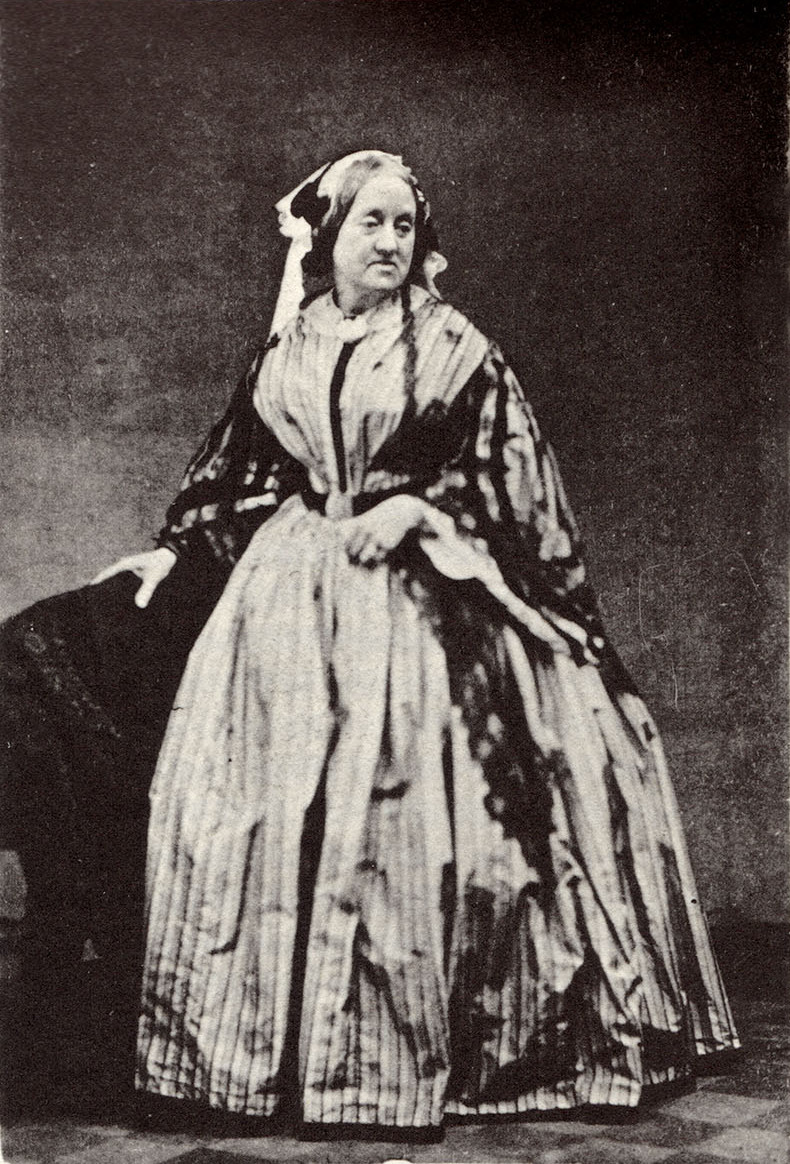

Technique and method
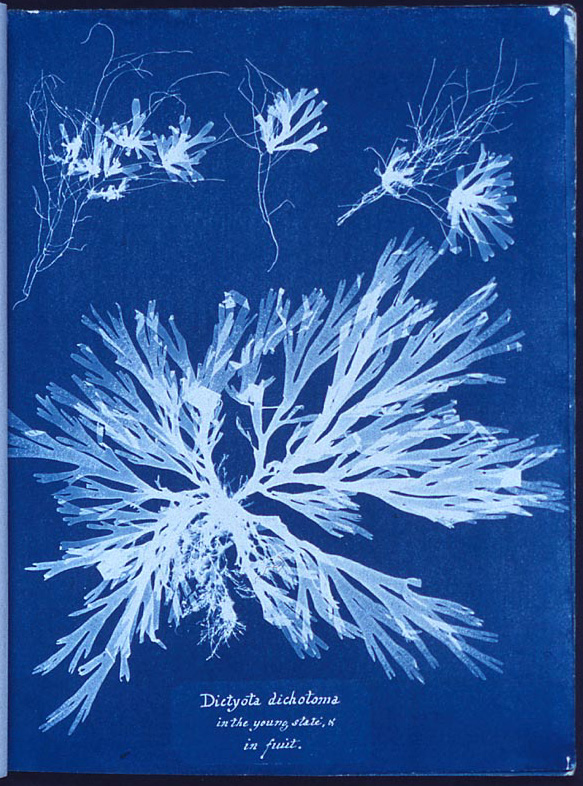
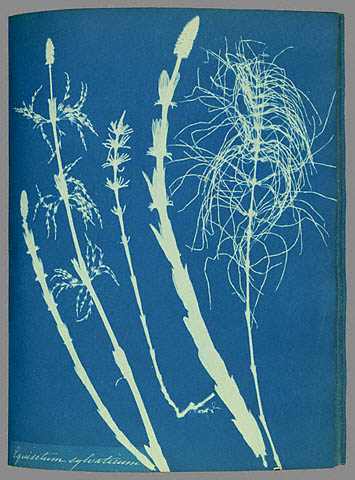
Atkins adopted the cyanotype, an iron-based photographic printing process developed in the 1840s. By placing delicate specimens directly onto sensitized paper and exposing them to sunlight, she produced contact prints — photograms — that rendered silhouettes and surface textures in characteristic Prussian-blue tones. This direct method required little equipment beyond prepared paper and sunlight, yet yielded detailed and stable records that appealed to both scientists and artists.
Publications and practice
Beginning in the early 1840s, Atkins compiled sets of cyanotype impressions of British algae and issued them in bound groups and fascicles. Published privately and distributed to scientific correspondents and institutions, these volumes — often cited by title as Photographs of British Algae: Cyanotype Impressions — were produced over several years and are notable for using photographic images as the primary illustrative medium.
Scientific and cultural significance
Atkins’s prints served as accurate morphological records that complemented preserved herbarium specimens and written descriptions. Her careful arrangements emphasize diagnostic features such as branching patterns and frond margins, making the images useful for identification and comparison. She is frequently recognized as an early woman photographer and is often credited as among the first people to publish a book illustrated by photographs, a distinction that highlights the overlap of photographic innovation and natural history in the Victorian era. Technique overview and contemporary commentary explore these intersections further.
Legacy and collections
Original cyanotypes by Atkins survive in libraries, museums, and private collections, where they are studied for both their scientific content and their aesthetic qualities. Exhibitions and scholarly work have reassessed her contribution to the histories of photography, botany, and women in science, placing her alongside other early photographic experimenters. For reproductions, catalog entries, and exhibition information see curated resources and institutional descriptions. Catalog entry, biographical notes, and collection highlights provide starting points for further research.
Notable facts
- Born 1799, died 1871; active in mid-19th century natural history circles.
- Used cyanotype photograms to document algae and other plants.
- Produced privately published sets of images that are considered early photographic books.
- Her work is preserved in several major collections and continues to be exhibited and studied.
Related articles
Author
AlegsaOnline.com Anna Atkins: Pioneer of Photographic Botany Leandro Alegsa
URL: https://en.alegsaonline.com/art/4347