
Anna Demidova — Lady-in-Waiting to Tsarina Alexandra and Romanov attendant (1878–1918)
Anna Demidova was a Russian lady-in-waiting to Tsarina Alexandra. She accompanied the Romanovs into exile after 1917 and was killed with the imperial family in 1918; later canonized by ROCOR.
Anna Vasilievna Demidova (1878–17 July 1918) served as a personal attendant to Empress Alexandra Feodorovna of Russia in the final years of the imperial court. Remembered for her loyalty and presence during the Romanovs' imprisonment, Demidova has since been the subject of historical accounts, commemorations and religious devotion. Her life and death are tied closely to the collapse of the Romanov dynasty and the events that followed the Russian Revolution.
Image gallery
2 Images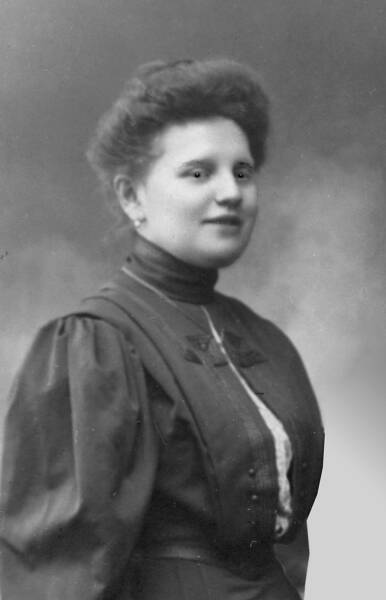

Role and personal characteristics
Demidova worked as a lady-in-waiting (a close household attendant) to the Tsarina, responsible for day-to-day care, clothing and companionship. Contemporary descriptions note she was a tall, fair-haired woman with a gentle manner; she was familiarly called "Nyuta" by those who knew her. As a trusted member of the imperial household, she remained with the family when they were placed under arrest in 1917.
Exile and death
After the February and October revolutions, Demidova accompanied the imperial family into internal exile, first to Tobolsk and later to Yekaterinburg, where they were held at the Ipatiev House. On the night of 16–17 July 1918, the Romanovs and several of their attendants were killed in the house's cellar. Historical reports and later investigations agree that Demidova died alongside the family; some contemporary witness accounts describe the violent and chaotic nature of the execution.
Aftermath, recovery and recognition
The remains of the Romanovs and some attendants were hidden and only recovered decades later. Forensic and genetic techniques applied to the recovered remains have been used to identify members of the imperial household and the people who died with them. The tragic circumstances of Demidova's death have been commemorated by historians and by communities that venerate the victims.
Canonization and legacy
Anna Demidova was formally recognized as a martyr by parts of the Russian Orthodox community. She was canonized as a martyr by the Russian Orthodox Church Outside Russia (ROCOR) in 1981, a recognition reflecting the view that she suffered and died for her faith and service. Other Orthodox jurisdictions have taken different approaches to the Romanovs and their attendants; the events remain both religiously and historically significant. For general introductions to the case and its religious commemorations see broader sources on the Romanov executions and martyrdom accounts.
Demidova's name endures as part of the story of the last Russian imperial household: a woman who chose to stay with the family she served in their darkest hours. Her life is often discussed alongside those of other attendants and members of the Romanov circle in works that examine court life, the revolution, and the complicated process of memory and memorialization that followed.
Related articles
Author
AlegsaOnline.com Anna Demidova — Lady-in-Waiting to Tsarina Alexandra and Romanov attendant (1878–1918) Leandro Alegsa
URL: https://en.alegsaonline.com/art/4352