
Helsinki Olympic Stadium
The Helsinki Olympic Stadium (Olympiastadion) is Finland’s main stadium in Helsinki, known for hosting the 1952 Summer Olympics, national football and athletics, major concerts, and extensive renovations in recent years.
The Helsinki Olympic Stadium, often called Olympiastadion, is the principal sports arena in Finland's capital. It is a prominent landmark of Helsinki and a central venue for national and international athletics and football. The stadium is commonly associated with the 1952 Summer Olympics, during which it hosted the opening ceremony and key track and field competitions; for more on that event see 1952 Summer Olympics.
Image gallery
10 Images


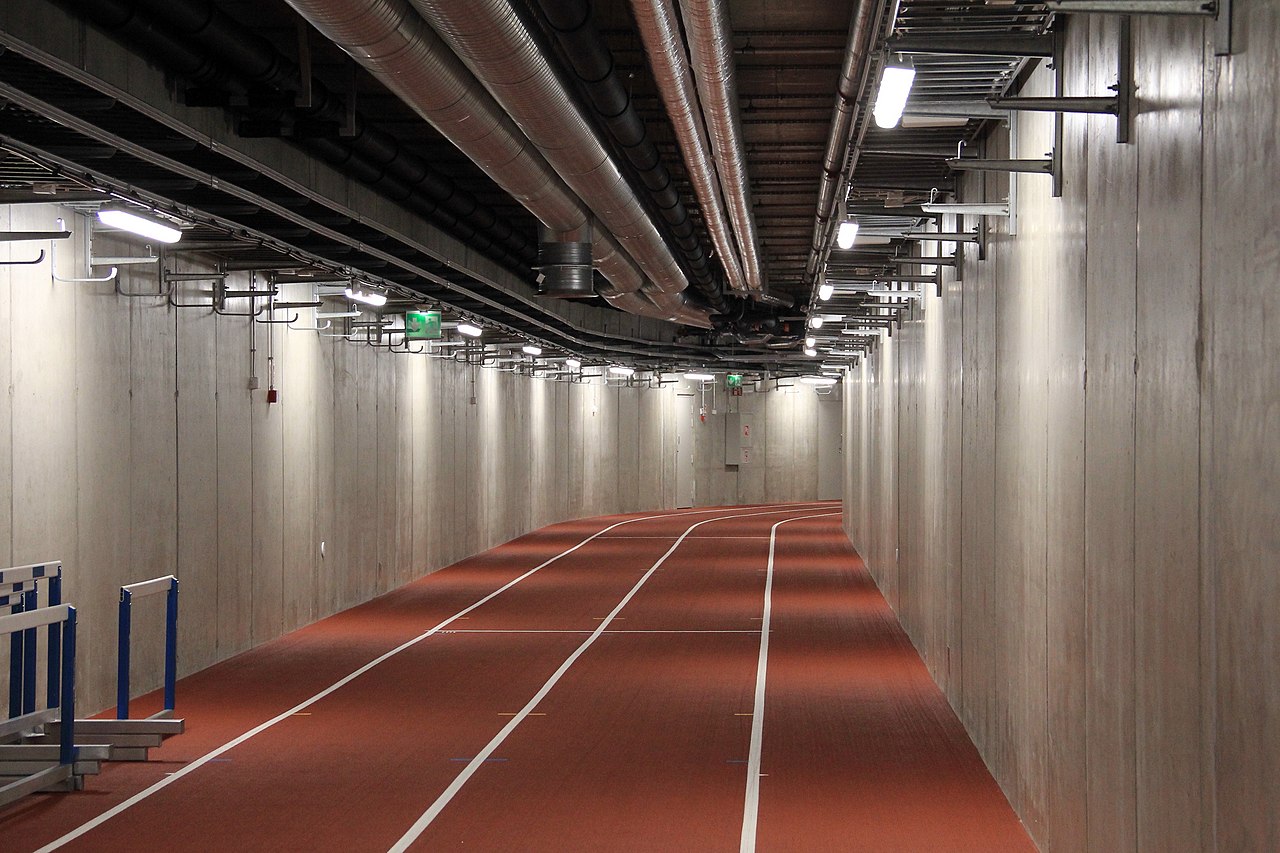


Design and features
The complex combines a competition bowl, an observation tower and facilities for athletes and spectators. Its tower and silhouette are recognisable elements in the city skyline. The stadium accommodates tens of thousands of spectators for sporting fixtures and can hold larger audiences for concerts and cultural events when temporary seating and standing areas are used. Modernisation efforts in the 21st century updated seating, accessibility, roof structures and visitor services.
History and development
Conceived in the early 20th century as a national stadium, the site evolved through design, construction and later renovations to meet changing standards for international sport. Its association with the 1952 Olympic Games cemented its place in sporting history. Over subsequent decades it has been adapted several times to improve athlete facilities, spectator comfort and technical infrastructure while preserving its landmark appearance.
Uses and importance
Today the stadium hosts a range of activities: athletics championships, football internationals (including matches played by Finland's national football team), large-scale concerts, and civic events. It serves as a focal point for national sports and a gathering place for cultural occasions. Information about the venue and upcoming events is available from the official site and visitor guides: stadium information.
Notable facts
- The facility is considered Finland’s national stadium and a key example of functionalist sports architecture.
- It remains a recognizable urban landmark and is integrated into Helsinki’s sporting and cultural life.
- Recent restoration projects aimed to balance historic preservation with contemporary needs; see renovation summaries for details at Finnish sources.
Related articles
Author
AlegsaOnline.com Helsinki Olympic Stadium Leandro Alegsa
URL: https://en.alegsaonline.com/art/43434