
Hispania Racing (HRT) — Spanish Formula One team
Hispania Racing Team (HRT), founded as Campos Meta 1 and later renamed after a change of ownership, was the first Spanish constructor to race in Formula One, competing from 2010 until financial collapse in 2012.
Overview
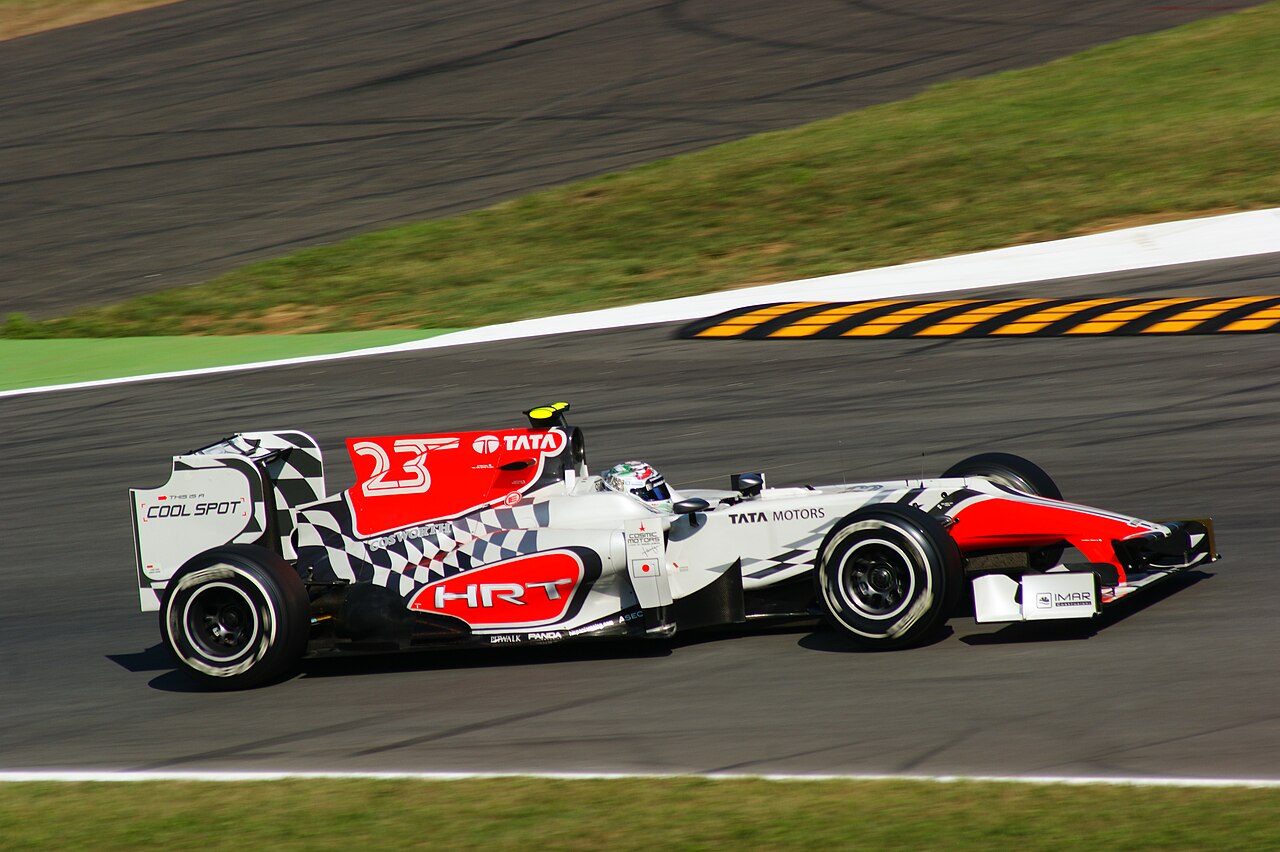
Hispania Racing Team, usually abbreviated HRT, was a Spanish Formula One constructor that entered the world championship as one of three new teams for the 2010 season. Founded initially as Campos Meta 1 by former racer Adrián Campos, the project was taken over and reorganized under Spanish businessman José Ramón Carabante and relaunched as Hispania Racing. The team made its competitive debut in the 2010 season and is widely recognised as the first Spanish-owned entrant to start a Grand Prix weekend.
Image gallery
9 Images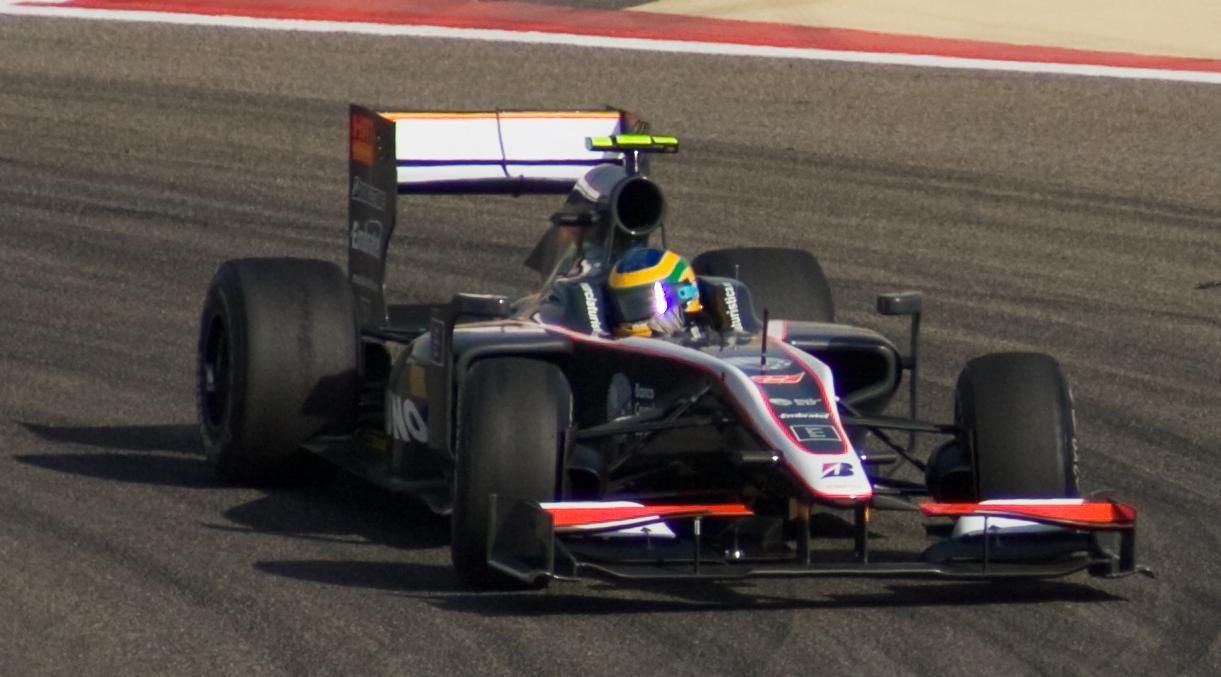




Origins and organization
The team grew out of an effort to establish a national Spanish presence in top-level motorsport. Its original name, Campos Meta 1, reflected the involvement of Adrián Campos and his racing organisation. After ownership changed, the new title, HRT, reflected both a commercial rebrand and an attempt to bring greater stability. Like many small constructors, HRT combined a compact factory operation with a modest staff and relied heavily on external suppliers for engines, transmissions and parts.
Racing history and performance
HRT competed across three world championship campaigns, operating as a backmarker outfit that frequently struggled for pace and reliability. The team faced constraints common to new entrants: compressed development schedules, limited testing miles and tight budgets. These factors made race weekends difficult; results typically placed the team towards the rear of the grid and points finishes were not achieved during the brief lifespan of the project.
Drivers and personnel
Throughout its time in Formula One, HRT employed a rotating roster of drivers drawn from varied nationalities and backgrounds. The squad gave opportunities to younger racers alongside more experienced names, and its line-up changed from race to race as the team sought sponsorship and driver funding. Notable drivers associated with the team include Bruno Senna and Karun Chandhok, among others who raced or tested for the entry.
Legacy and decline
Financial pressures remained a persistent issue for HRT. After several seasons of constrained resources and limited competitive progress, the team was unable to secure the long-term backing necessary to continue. It ceased operations following the 2012 cycle, and its closure highlighted the risks faced by small independent constructors in a sport increasingly dominated by large manufacturer-backed teams.
Significance and context
Hispania's arrival had symbolic importance for Spanish motorsport: it answered a long-standing ambition to field a national team after earlier efforts such as the unsuccessful Bravo F1 project attempted to enter in 1993 (Bravo F1). Although HRT did not achieve sporting success, its presence raised the profile of Formula One in Spain and offered experience and visibility for drivers, engineers and commercial partners.
Further reading
- Season summaries and race reports for HRT's years of competition can be found in contemporary motorsport coverage and archives; general histories of Formula One provide context for new teams' challenges (background on F1 entry and operation).
- Accounts of the team's formation, ownership changes and closure illustrate common financial and technical hurdles that confront small constructors.
Questions and answers
Q: What is Hispania Racing?
A: Hispania Racing is a Spanish Formula One team.
Q: Who founded Hispania Racing?
A: Hispania Racing was founded by former driver Adrián Campos.
Q: What was the original name of Hispania Racing?
A: The original name of Hispania Racing was Campos Meta 1.
Q: Who took over Hispania Racing and what was it renamed to?
A: Hispania Racing was taken over by José Ramón Carabante and renamed HRT.
Q: When did Hispania Racing make its debut in Formula One?
A: Hispania Racing made its debut in the 2010 season.
Q: Is Hispania Racing the first Spanish team to race in Formula One?
A: Yes, Hispania Racing is the first Spanish team to race in Formula One.
Q: Was there any previous Spanish effort to enter the sport of Formula One before Hispania Racing?
A: Yes, a previous Spanish effort known as Bravo F1 tried but failed to enter the sport in 1993.
Related articles
Author
AlegsaOnline.com Hispania Racing (HRT) — Spanish Formula One team Leandro Alegsa
URL: https://en.alegsaonline.com/art/44427
Sources
- adamcooperf1.com : "Campos to be HRT, not Hispania"
- grandprix.com : "F1 News – Grandprix.com > GP Encyclopedia > People > Nick Wirth"
- autosport.com : "Analysis: New F1 teams in detail"
- camposmeta.com : "Team History"
- camposmeta.com : "Spain's Formula One Team Campos Meta gears up by reaching an agreement with Murcia local government"
- autosport.com : "Fifteen teams lodged F1 entries"
- autosport.com : "Campos honoured to give Senna F1 slot"
- autosport.com : "Teixeira linked with Campos role"
- autosport.com : "Campos could miss all testing"
- autosport.com : "Teixeira wants A1GP link for Campos"
- news.bbc.co.uk : "Adrian Campos 'working hard' to secure F1 team's future"
- motorsport.com : "Campos-Meta silence continues"
- autosport.com : "Carabante takes over Campos team"
- adamcooperf1.com : "Collin Kolles takes charge at Campos: "we will have two cars at Bahrain""
- autosport.com : "Campos to race under Hispania name"