
High school football
An overview of high school football: organization, rules, equipment, cultural role, safety, and how it differs from college and professional play.
Overview
High school football is the level of American football played by secondary school teams. It follows the basic rules of the sport but is adapted for teenage athletes, with emphasis on development, sportsmanship, and school representation. For a broader context on the sport's rules and play, see American football.
Image gallery
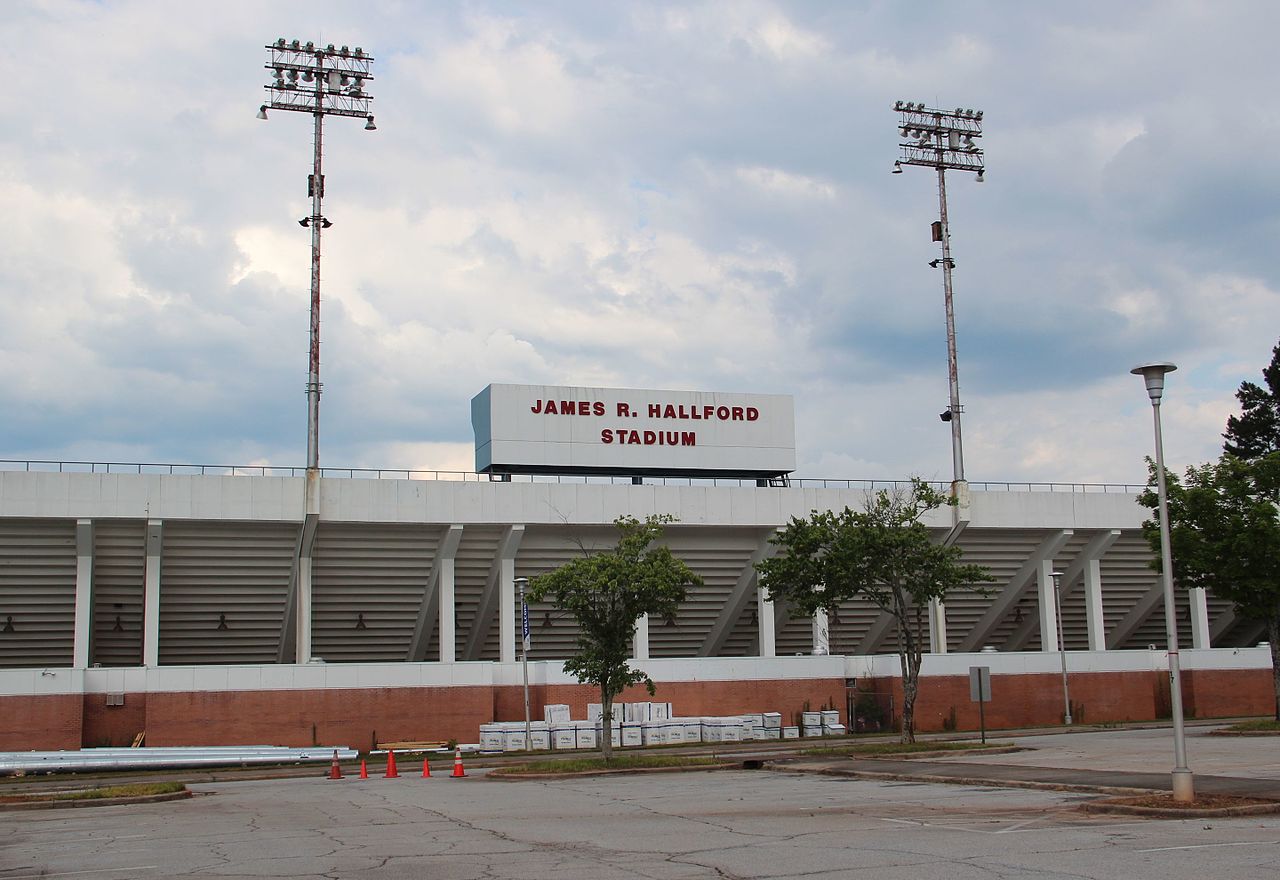
7 Images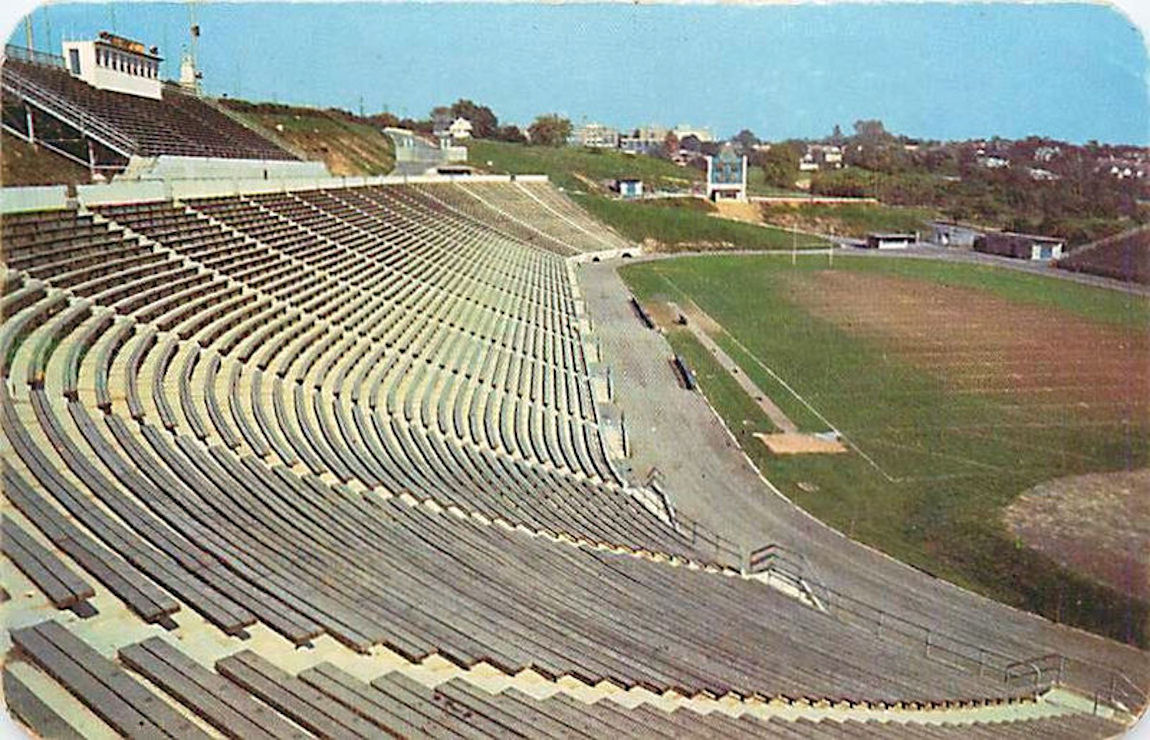




Structure and competition
Teams are typically organized within school districts and grouped into conferences or leagues. A season generally runs in the fall and culminates in playoff series and state championships in many regions. Rosters include varsity and junior varsity squads to accommodate varying ages and abilities. Coaches, athletic directors, and governing associations set eligibility and academic standards for participation.
Characteristics and positions
The game at this level retains familiar roles and formations. Common position groups include:
- Offense: quarterback, running backs, wide receivers, tight ends, offensive line
- Defense: defensive line, linebackers, defensive backs
- Special teams: kicker, punter, return specialists
Equipment and safety
Players use helmets, shoulder pads, mouthguards, and protective padding. Schools and associations emphasize safety through proper fitting equipment, certified helmets, supervised contact practices, and coaching on tackling technique. Over recent years rule adjustments and better concussion protocols have altered practice time and tackling drills to reduce injuries.
Cultural role and education
High school football often plays a strong social role in communities, serving as a focal point for student life and local identity. Traditions such as homecoming, marching band performances, and Friday-night games are common. Participation can offer physical education benefits, teamwork experience, and scholarship opportunities, but must be balanced with academic responsibilities.
Distinctive features and notable facts
Compared with college or professional levels, high school football typically uses shorter game clocks, different kickoff and overtime rules in some states, and rosters that mix developing players with more experienced ones. Safety, education, and local governance shape how the game is administered at this level.
See also: local athletic association rules and school handbooks for specifics on season length, eligibility, and equipment standards.
Related articles
Author
AlegsaOnline.com High school football Leandro Alegsa
URL: https://en.alegsaonline.com/art/44118