
Helmut Piirimäe — Estonian historian of the Swedish era and the Enlightenment
Estonian historian (1930–2017) known for research on 17th‑century Estonia under Swedish rule and 18th‑century Enlightenment thought; professor emeritus at the University of Tartu.
Helmut Piirimäe (8 September 1930 – 21 August 2017) was an Estonian historian whose scholarship focused on the early modern Baltic world and the intellectual currents of the Enlightenment. Born in Põltsamaa, Estonia, he became a leading figure in Estonian academic life and is remembered for careful archival research into the region's experience under the Swedish Empire and for studies of 18th‑century political and social ideas.
Image gallery
1 Image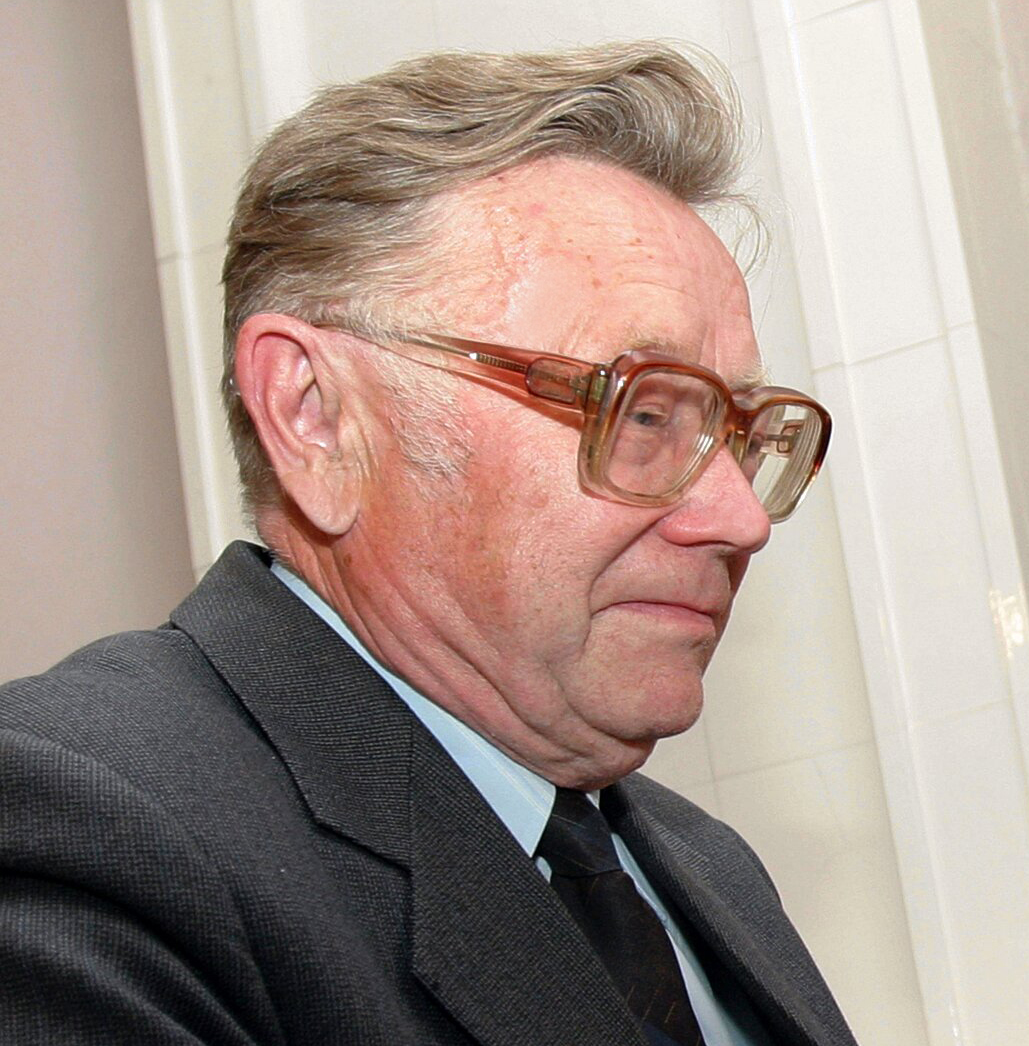
Research and themes
Piirimäe examined how Baltic provinces were administered and transformed in the 17th century during Swedish rule, placing local developments in a wider European context. He also engaged with Enlightenment topics, including the influence of reformist and revolutionary ideas across Europe and how those currents shaped later Estonian intellectual life. His work combined political, social and intellectual history to illuminate change over time.
Career and recognition
For much of his professional life Piirimäe was affiliated with the University of Tartu, where he held a professorial chair and later the title of professor emeritus. His academic standing was acknowledged abroad as well; he received an honorary doctorate from the University of Uppsala, a sign of recognition by colleagues in the Nordic scholarly community. Further information about his academic profile is available via academic and institutional pages such as a historians' listing or a university profile at Tartu.
Topics and contributions
- Studies of 17th‑century Baltic governance under the Swedish Empire and its administrative, legal and social effects.
- Exploration of Enlightenment ideas in the 18th century, including discussion of the French Revolution's place in broader European intellectual history.
- Mentorship of generations of Estonian historians and contributions to national historiography.
Personal life and legacy
Piirimäe was married to art historian Krista Piirimäe and the couple had three sons and a daughter. He died in Tartu on 21 August 2017 at the age of 86. Obituaries and memorial notices document his influence; institutional remembrances and retrospective discussions of his work can be found through university pages and scholarly outlets noting his publications and contextual analyses. For local or regional records and commemorations see archival and cultural resources maintained by Estonian institutions.
Piirimäe's research remains a reference point for those studying the Baltic provinces in early modern Europe and the transmission of Enlightenment thought in northern and eastern Europe. His combination of archival detail and attention to broader European connections helped to situate Estonian history within continental developments.
Related articles
Author
AlegsaOnline.com Helmut Piirimäe — Estonian historian of the Swedish era and the Enlightenment Leandro Alegsa
URL: https://en.alegsaonline.com/art/43418
Sources
- news.err.ee : "Historian Helmut Piirimäe dies at 86"