
University of Tartu
The University of Tartu, founded in 1632 in Tartu, Estonia, is a leading research university in Northern Europe, noted for broad academic programs and a famous tradition in semiotics and the humanities.
Overview
The University of Tartu is Estonia's oldest and most prominent university, established in 1632 in the city of Tartu. It serves as the principal centre of higher education and research in Estonia and is commonly regarded as one of the oldest universities in Northern Europe. The institution combines a long historical legacy with modern teaching and international research collaborations.

Image gallery
10 Images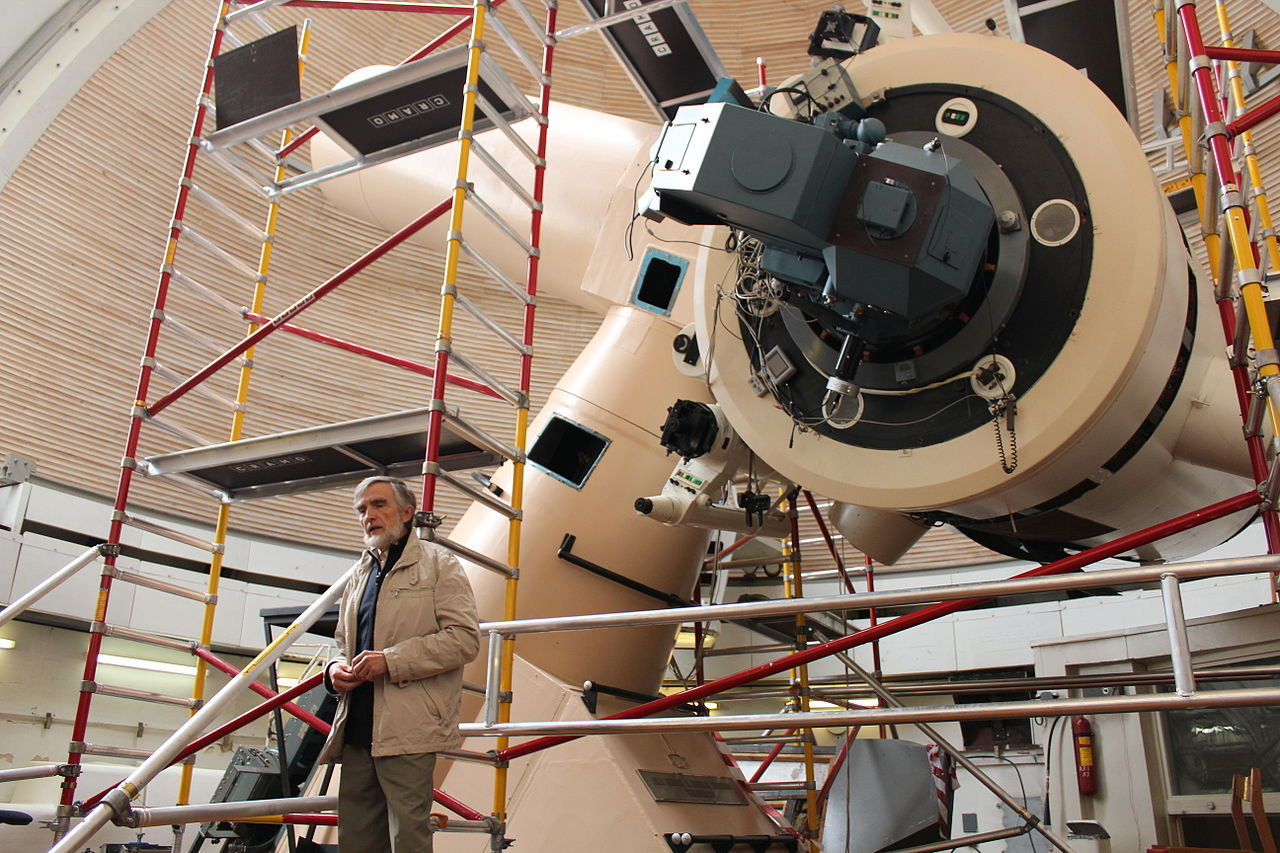






History and development
Founded in 1632 under the patronage of the Swedish crown, the university has evolved through several political eras and linguistic environments. Over the centuries it has undergone reorganisations and expansions that reflected broader cultural and scientific currents in the Baltic region. The founding year, 1632, remains a key reference point in the university's identity, symbolising a continuous scholarly presence in the city.

Academics, research and notable traditions
The University of Tartu offers a wide range of faculties and programmes across the natural sciences, social sciences, humanities, medicine and technology. It places particular emphasis on research excellence and interdisciplinary study. The university has an international reputation in certain areas of the humanities, most famously the study of semiotics, owing in large part to the work initiated and cultivated by Juri Lotman and his colleagues. This intellectual tradition contributed to the development of the Tartu–Moscow School and remains influential in cultural studies and language theory.

Campus, collections and student life
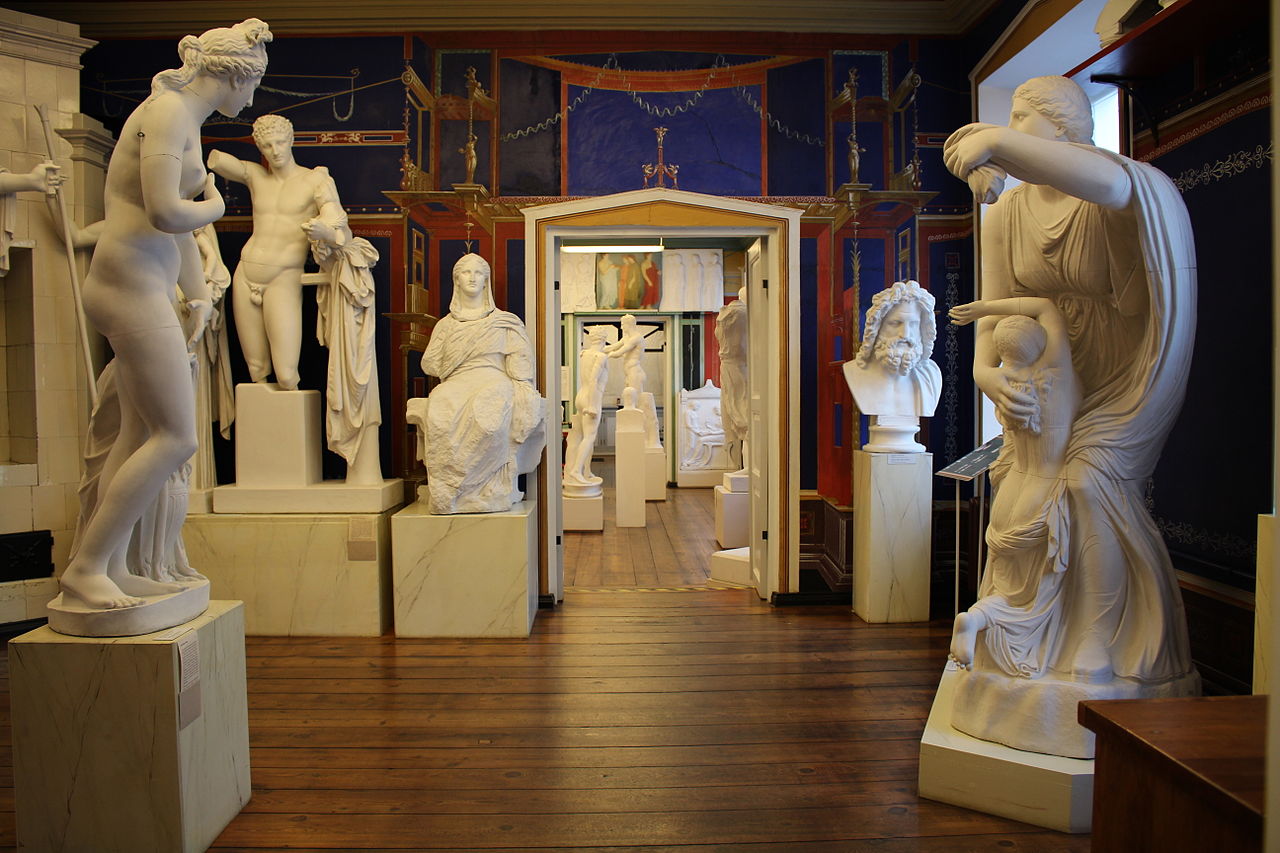
The university campus blends historic buildings with modern facilities, including specialised research centres, an observatory and museums. Its collections and public exhibitions attract both academic and popular interest. Student life is active, with long-standing traditions, student organisations, and cultural events that link academic study with local community life. Visual arts and museums on campus support educational programmes and public outreach.

Activities and community role
Students participate in a variety of cultural and sporting events across the academic year. Folk dance and seasonal festivals form part of the university's living heritage and contribute to civic identity in Tartu. The university also hosts conferences, public lectures and outreach programmes that engage regional and international audiences.

Key features
- Founding date: 1632, marking a long academic tradition.
- Strengths: humanities, social sciences, natural sciences and medicine.
- Cultural impact: significant contributions to semiotics and cultural theory.
- Public role: museums, observatory, and frequent public programmes.
Together, these elements make the University of Tartu a central institution in Estonia's educational landscape and a notable centre for research and culture in Northern Europe.
Related articles
Author
AlegsaOnline.com University of Tartu Leandro Alegsa
URL: https://en.alegsaonline.com/art/103347