
Heineken (Dutch pale lager)
Heineken is a Dutch pale lager first brewed in 1873. Known for its green bottle and red star, it uses a proprietary A-yeast and standard brewing ingredients and is distributed worldwide.

Overview
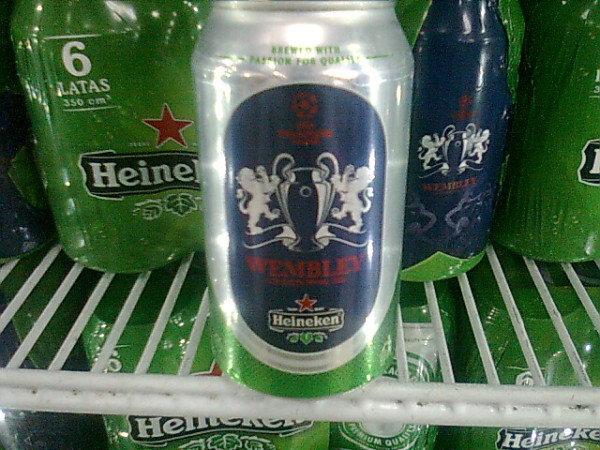
Heineken is a pale lager beer that originated in the Netherlands and has been produced by the Heineken company since the late 19th century. Typically sold at around 5% alcohol by volume, it is the brand's flagship product and one of the most widely distributed lagers globally. The beer is recognized by its green bottle and red star logo and is marketed as a consistent, easy-drinking lager.
Image gallery
5 Images


Ingredients and brewing
Heineken is brewed from four principal ingredients: water, malted grain, hops and yeast. In commercial descriptions these are often named simply as water, malted barley, hops, and yeast. The brand uses a strain of lager yeast developed for the brewery in the 1880s, commonly referred to as the proprietary "A-yeast," which contributes to the beer's consistent flavor profile. The lagering process involves cold fermentation and maturation, followed by force carbonation to achieve the desired effervescence; see more about carbonation here. For background on the general product category see beer.
History and development
Heineken began in Amsterdam in 1873 and expanded through industrialization, international licensing and acquisitions over the 20th century. A major development was the adoption of a stable, brewery-specific yeast strain in the 1880s, which has since been associated with the brand's consistent taste. The company grew from a single brewery to a global brewer and beverage group while retaining the Heineken pilsner-style lager as its core product.
Variants, packaging and distribution
Beyond the standard lager, the Heineken range has included low-calorie or lower-alcohol variants and a non-alcoholic option introduced in recent years. Packaging spans bottles and cans in various sizes and kegs for on-trade sale. The product is distributed internationally through company-owned breweries and licensed production in many countries, relying on a global supply chain for ingredients such as local water sources and imported malts or hops.
Characteristics and cultural notes
Tasting notes for Heineken typically emphasize a light to medium-light body, mild malt sweetness, restrained hop bitterness and a clean finish suitable for mass appeal. The brand's advertising, sponsorships and distinctive green packaging have made it a prominent global symbol of commercial lager. For further general context about brewing and ingredients see links on malt and yeast such as malted barley and yeast.
Notable distinctions
- Flagship beer of Heineken International and a major international lager brand.
- Associated with a long-standing proprietary yeast strain developed in the 1880s.
- Commonly force-carbonated to ensure consistent effervescence across markets; see carbonation.
The Heineken brand illustrates how a single lager recipe combined with global marketing, consistent production methods and recognizable packaging can create a worldwide presence in the modern beer market.
Related articles
Author
AlegsaOnline.com Heineken (Dutch pale lager) Leandro Alegsa
URL: https://en.alegsaonline.com/art/43265