
Heian-kyō: capital of classical Japan (794–1868)
Heian-kyō was the seat of Japan's imperial court from 794 to 1868. Laid out as a planned capital, it shaped Japanese court culture, literature, urban design, and remains the historical core of modern Kyoto.
Overview
Heian-kyō (literally "tranquility and peace capital") was established as the imperial seat of Japan in 794 by Emperor Kammu. The name is one of several historical names for the city now called Kyoto. The foundation of Heian-kyō marks the conventional beginning of the Heian period and a long era in which the court and aristocratic culture centered on the city.
Image gallery
8 Images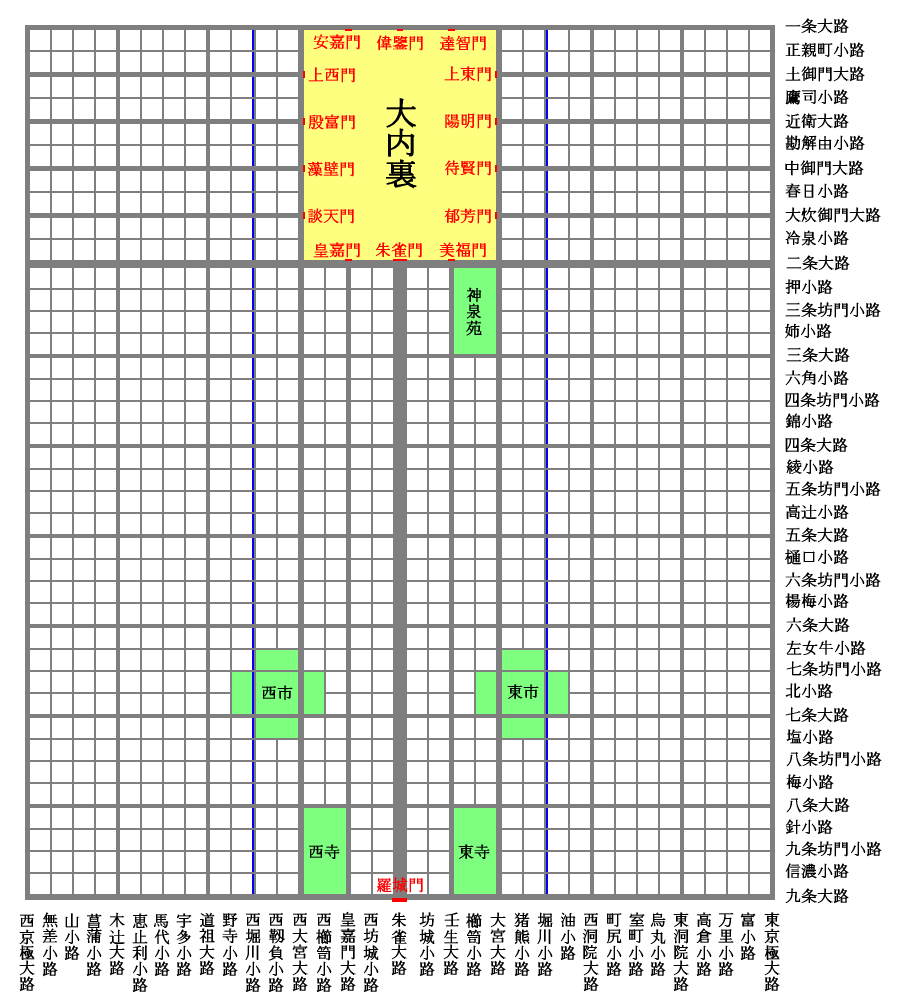





Design and urban characteristics
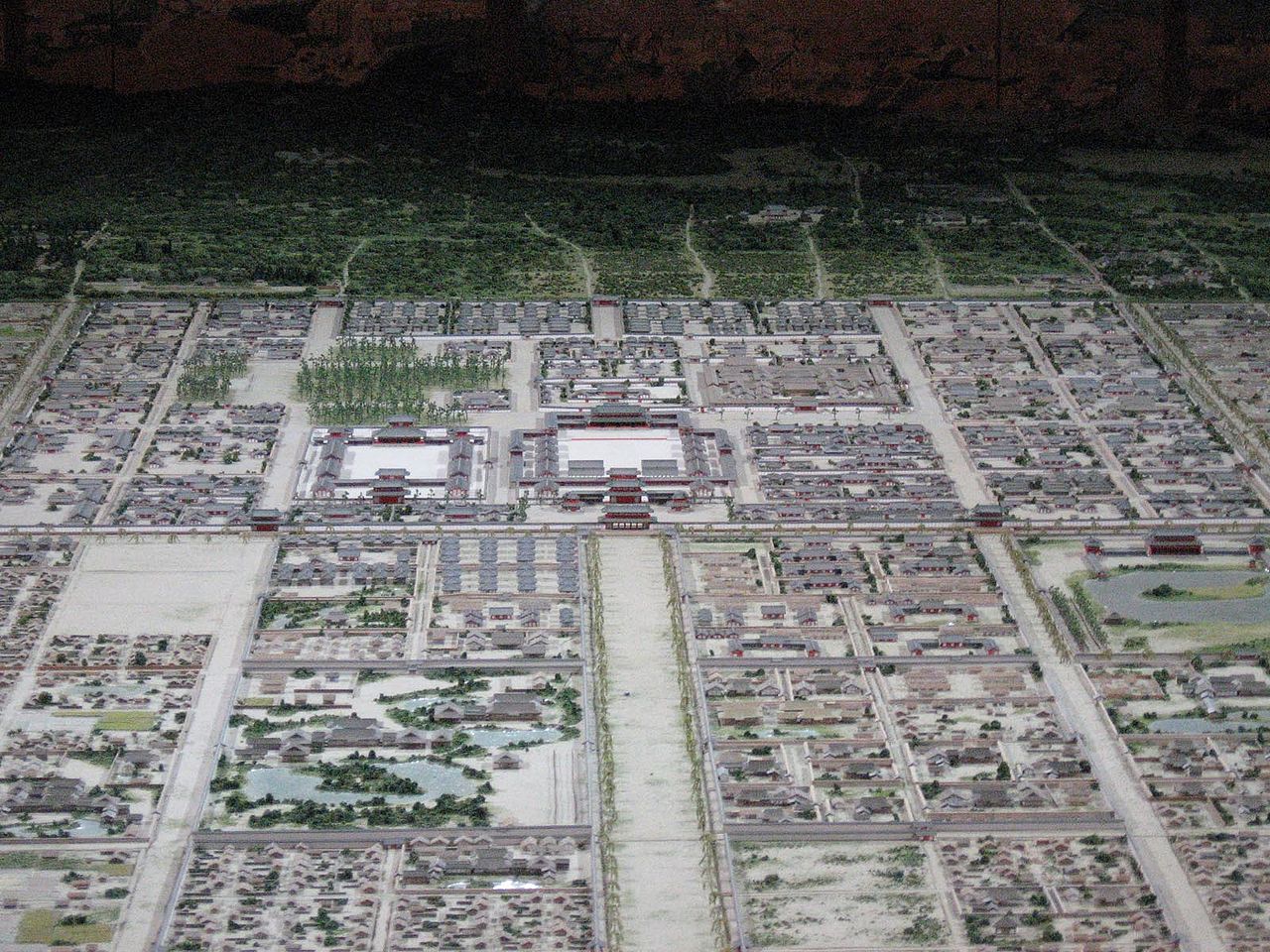
The city was laid out as a planned capital, with a rectilinear street grid and a clear ceremonial axis anchoring the imperial palace. Its design drew inspiration from earlier East Asian capitals, emphasizing symmetry, processional routes, and districts for administrative, religious, and residential functions. Rivers and canals played roles in transport and drainage, while the palace precincts and court compounds formed a political and cultural core.
Court life, culture, and literature
Heian-kyō was the setting for a distinctive court society whose practices and aesthetics influenced poetry, prose, visual arts, and etiquette. Native literary forms and writing systems developed here, and a rich body of diaries, poetic anthologies, and narrative fiction emerged during the period. These works capture the elaborate ceremonies, seasonal sensibilities, and interpersonal networks of aristocratic life.
Political evolution and later history
Over centuries the balance of power shifted as regional military elites and religious institutions gained influence, yet the imperial court continued to occupy Heian-kyō. Although real political authority moved in waves away from the palace, the city remained the formal capital until the Meiji Restoration, when the national government relocated in 1868. The historical core nevertheless continued to serve as a cultural and religious center.
Legacy and significance
- Heian-kyō shaped Japanese urban planning by establishing a durable street pattern and ceremonial layout that influenced later settlements.
- The city's court culture fostered important developments in language, literature, and courtly arts that are central to Japan's cultural history.
- Many modern festivals, architectural forms, and religious institutions in the area trace traditions back to practices refined during the Heian era.
Further reading and contexts
To explore the period and the city's role in more detail, readers may consult overviews of the Heian period, archaeological studies of early Japanese capitals, and modern histories of Heijō-kyō and other contemporary centers. Academic works and museum collections preserve documents and material culture that illustrate how Heian-kyō shaped Japan's historical trajectory.
Heian-kyō's combination of planned urban form, refined court culture, and long historical continuity make it a foundational element in understanding medieval and early modern developments across the Japanese archipelago.
Related articles
Author
AlegsaOnline.com Heian-kyō: capital of classical Japan (794–1868) Leandro Alegsa
URL: https://en.alegsaonline.com/art/43233