
Helions Bumpstead: A concise guide to the Essex village and parish
Helions Bumpstead is a small rural village and civil parish in Braintree district, Essex, England. This article outlines its character, history, governance, and notable features.
Overview
Helions Bumpstead is a small village and civil parish in the Braintree district of Essex, in eastern England. It is a rural settlement characterised by dispersed housing, agricultural land and a modest population; the 2001 census recorded 473 residents. The village forms part of the local network of parishes that make up the county's countryside communities.
Image gallery
2 Images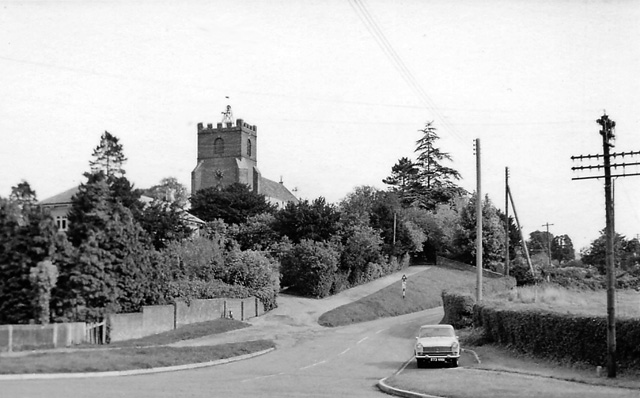

Geography and character
The parish occupies typical lowland countryside of eastern England, with fields, hedgerows and lanes linking it to neighbouring villages. The settlement pattern is largely linear and scattered rather than an urban centre; local land use has historically been dominated by farming and smallholdings. Woodland pockets and small streams may be found nearby, contributing to local biodiversity and the rural setting.
History and name
Like many English villages, Helions Bumpstead has medieval roots. Its compound name contains an old place-name element that reflects early settlement and the influence of past landowners. Over centuries the village evolved around agriculture, parish life and local estates. Documentary records and place-name studies typically show gradual changes in spelling and ownership that produced the modern name.
Governance and community
As a civil parish, Helions Bumpstead is the lowest tier of local government, often served by a parish meeting or parish council and forms part of the wider Braintree district administration (Braintree district). Community amenities in villages of this size frequently include a village hall, places for worship, a primary school or nearby schools, and clubs or societies that sustain social life.
Landmarks, economy and services
Prominent features in small parishes often include historic buildings, farmsteads, and listed structures reflecting local architectural traditions. The local economy remains largely rural, with agriculture, small businesses and commuting to larger towns contributing to livelihoods. Services such as shops, healthcare and rail connections are typically found in larger centres within a short drive or bus journey.
Notable facts and distinctions
- Recorded population: 473 (2001 census).
- Representative of many East of England villages that combine historical character with modern rural life.
- Subject to conservation and planning policies that aim to protect countryside character while supporting community needs.
For local governance details or further statistical information, consult district sources or parish notices via the local authority links above.
Related articles
Author
AlegsaOnline.com Helions Bumpstead: A concise guide to the Essex village and parish Leandro Alegsa
URL: https://en.alegsaonline.com/art/43362
Sources
- neighbourhood.statistics.gov.uk : Neighbourhood Statistics