
Heel (professional wrestling): the role of the 'bad guy' in sports entertainment
A heel is a professional wrestling character who plays the antagonist, provoking crowd anger to enhance storytelling. This article explains traits, tactics, history, cultural variants, and modern changes.
A heel is the antagonist character in professional wrestling. As part of the sport-entertainment narrative, a heel is designed to be disliked: they break rules, insult opponents and crowds, and act selfishly to draw audience hostility. The heel’s opposition is the face, the heroic character whose plight and comeback the audience is meant to support. The dynamic between heel and face creates emotional investment and fuels the dramatic arcs of matches and longer rivalries.
Image gallery
10 Images


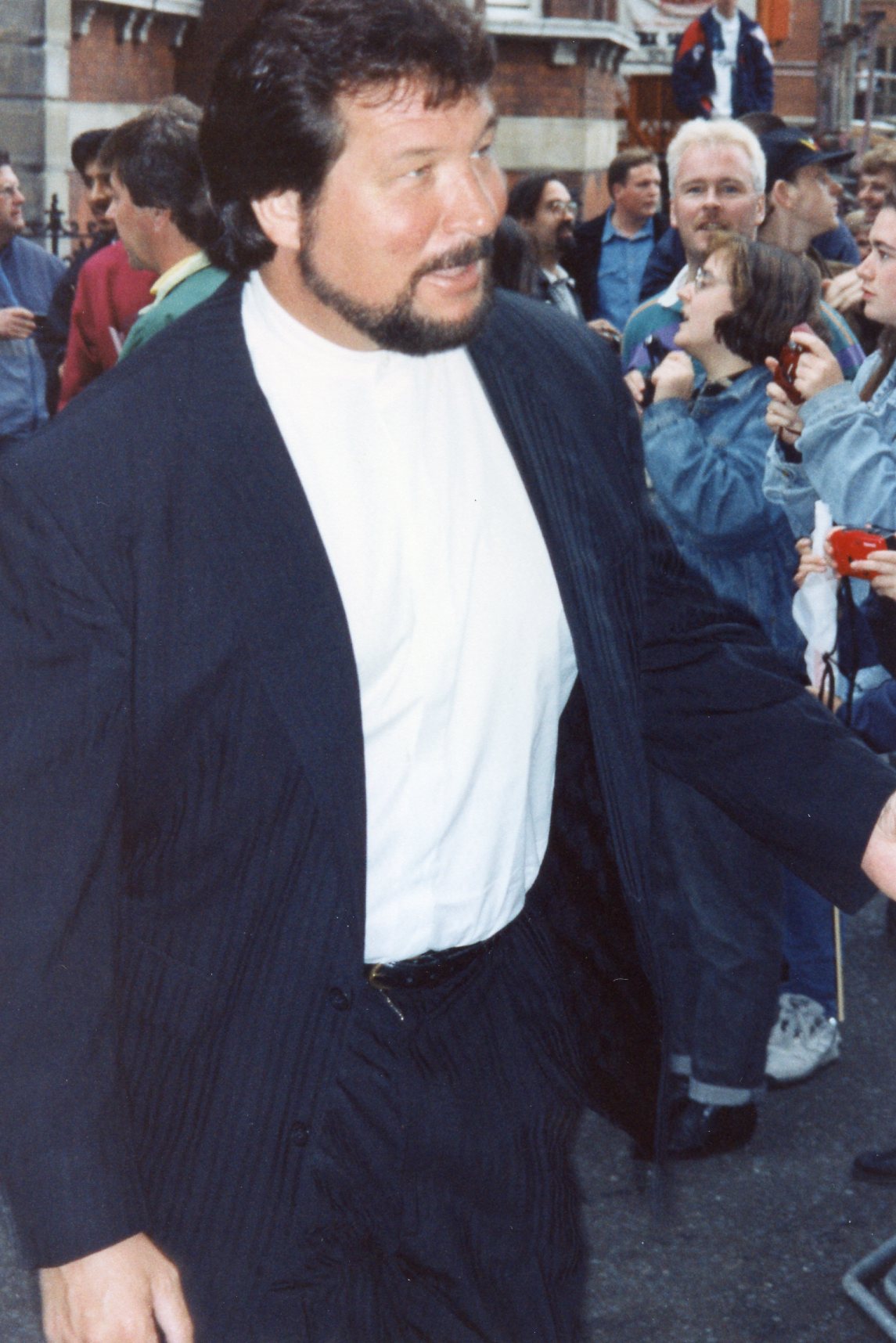


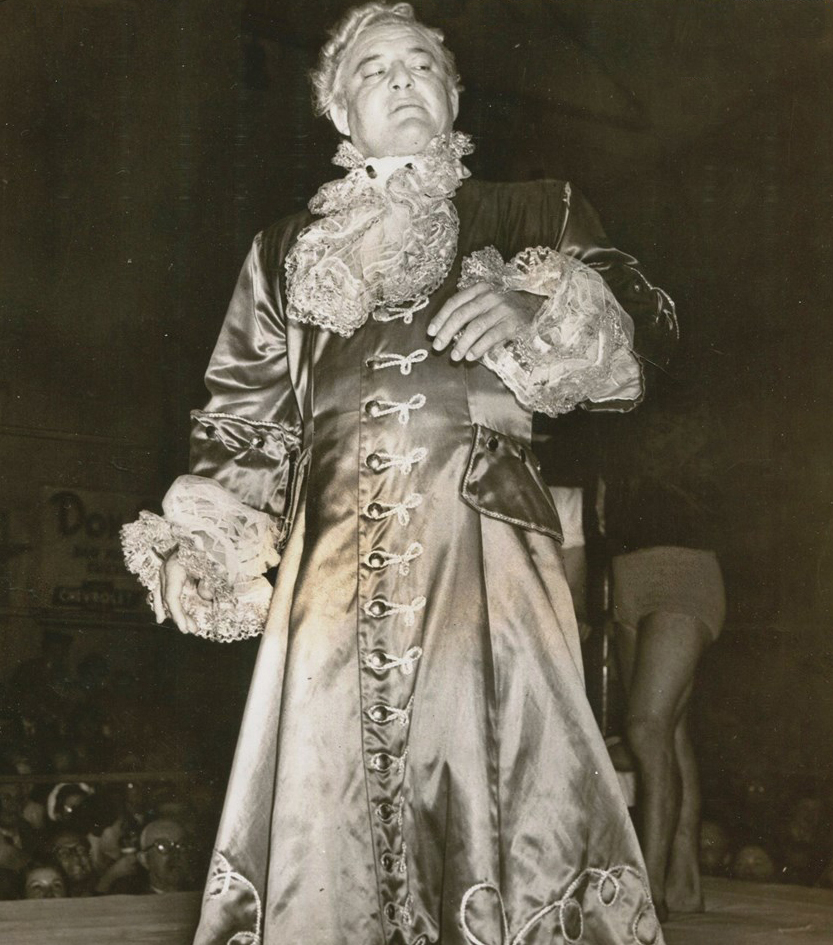

Role, objectives and common tactics
The primary objective of a heel is to generate "heat"—audience boos, jeers and anger that make a face’s eventual victory meaningful. Heels achieve this through a variety of in-ring and out-of-ring methods. Common tactics include:
- Rule-breaking: using illegal holds, foreign objects or referee distractions.
- Cheap shots: attacking an opponent when the official is not looking.
- Verbal taunting: insulting the crowd, opponents or their friends and families.
- Alliance and betrayal: forming villainous factions or turning on partners for shock value.
- Character choices: adopting xenophobic, arrogant or cruel personas to inflame reaction.
Heels are often athletic performers who also act as narrative catalysts: their behavior elevates storylines, motivates audience emotion and provides obstacles that faces must overcome.
History, archetypes and notable examples
The heel archetype has evolved with wrestling’s theatrical and regional traditions. Foreign antagonist characters who opposed nationalistic faces have been a recurring motif: performers cast as outsiders or rivals to homegrown heroes to stoke patriotic reactions. Well-known illustrative pairings include rivals such as the Iranian-born wrestler popularly known as the Iron Sheik and the all-American persona of another major star, Hulk Hogan, each used to frame broader storylines. A performer from a different background might be presented as a villain regardless of real origin; an example of this theatrical casting is Fritz Von Erich, who portrayed an imposing German persona despite being from Texas.
Cultural variants: lucha libre and other styles
Different wrestling traditions use distinct terminology and in-ring psychology. In Mexican lucha libre, heels are called rudos and faces are técnicos. Rudos emphasize brute strength, brawling and often rule-bending; técnicos favor speed, aerial maneuvers and a more virtuosic, crowd-pleasing style. Regional styles shape how heels behave, the kinds of stunts they employ and the stories promoters tell around them.
Modern shifts and the blurred lines between hero and villain
Contemporary wrestling has seen a loosening of strict face/heel binaries. Modern audiences frequently recognize scripting and may cheer performers based on in-ring skill or charisma even when those characters are intended as heels. Major promotions, including WWE, have at times presented characters whose alignment is ambiguous, or have allowed heels to collect fan support. This phenomenon has produced anti-heroes and complex characters who mix sympathetic and objectionable traits.
Why heels matter
Heels are essential to the theatrical structure of professional wrestling. They provide the narrative resistance that makes victories meaningful, help highlight a face’s virtues, and create memorable moments through conflict. Famous heel techniques—from foreign heel tropes to faction leadership—remain central to developing rivalries and advancing longer-term storytelling. While crowd reactions evolve, the heel’s function as the primary antagonist remains a foundational element of wrestling culture.
For further reading on the roles and terminology used in different regions, see articles linked within this entry: Iron Sheik, Hulk Hogan, patriotic portrayals, and character examples such as Fritz Von Erich.
Related articles
Author
AlegsaOnline.com Heel (professional wrestling): the role of the 'bad guy' in sports entertainment Leandro Alegsa
URL: https://en.alegsaonline.com/art/43217