
Henry VIII (play)
A history play traditionally attributed to William Shakespeare that dramatizes events from the reign of King Henry VIII; noted for its spectacle, sources in Holinshed and Foxe, and later textual debate.
Henry VIII is a history drama traditionally associated with William Shakespeare. Written and first performed around 1612–1613, the play stages key episodes from the later years of King Henry VIII's reign, including the rise and fall of Cardinal Wolsey, the king's marriage controversies, and scenes leading to the birth of the future Elizabeth I. The work combines political intrigue with public pageantry and intimate moral moments.
Image gallery
10 Images


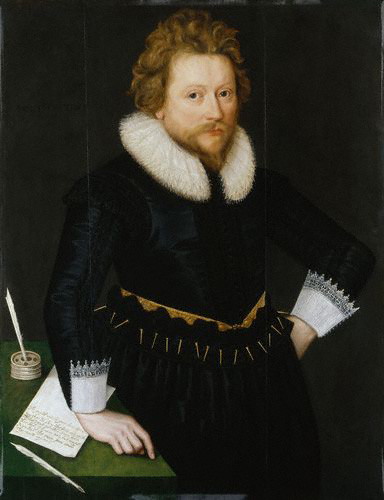
Sources and publication
Shakespeare drew on contemporary historical compilations for the play's framework. Two principal sources are Holinshed's Chronicles and John Foxe's Book of Martyrs, which supplied narrative detail and popular perspectives on events and personalities. The text appears in the First Folio of 1623, where it was printed as one of the history plays that grouped Shakespeare's dramatizations of English monarchs.
Composition, structure and authorship
Henry VIII follows the five-act dramatic model common to Shakespeare's mature works. Its scenes alternate between intimate confrontations and ceremonial set pieces that require large crowds and elaborate costumes. Scholars have long debated the authorship: stylistic and linguistic evidence suggests that a collaborator—often identified as John Fletcher—may have reworked portions of the play, especially its later acts, contributing to variations in tone and verse style.
Stage history and notable facts
The play is remembered for spectacular staging. Contemporary accounts record a 1613 performance at which stage artillery reportedly ignited the Globe Theatre's thatch, an event often linked to a famous fire that destroyed the playhouse. Henry VIII has been staged at court and public theatres and revived periodically; its emphasis on ceremony and procession makes it attractive for productions interested in spectacle and ritual.
Themes, characters and significance
Main characters include Cardinal Wolsey, Queen Katherine, Anne Boleyn, and Henry himself. Rather than dwell on battlefield action, the drama examines the dynamics of royal authority, conscience, legitimacy, and the personal costs of political ambition. Critics note the play's blend of solemn moral reflection and celebratory scenes, which produces a tone distinct from more war-centered histories like the Henry IV plays.
- Notable features: ceremonial pageantry, courtroom and private confrontations, and the dramatic fall of Wolsey.
- Historical adaptation: events are dramatized for theatrical effect rather than strict documentary accuracy.
- Textual interest: questions of joint authorship and revisions make the play important for editorial study.
- Continued relevance: the play is studied for its depiction of power, religion, and succession in early modern England.
For further reading, see editions and modern commentaries that address the play's sources, performance history, and the evidence for collaborative composition. Online and printed resources typically include facsimiles of early texts and scholarly annotations that clarify how Shakespeare and his milieu transformed historical chronicles into drama. More on the play.
Related articles
Author
AlegsaOnline.com Henry VIII (play) Leandro Alegsa
URL: https://en.alegsaonline.com/art/43623
Sources
- william-shakespeare.info : Henry VIII