
Face (professional wrestling)
In professional wrestling, a face (or babyface) is a heroic character portrayed to earn audience sympathy and cheers, contrasted with a heel (villain) and often central to match storytelling and promotion.
Overview
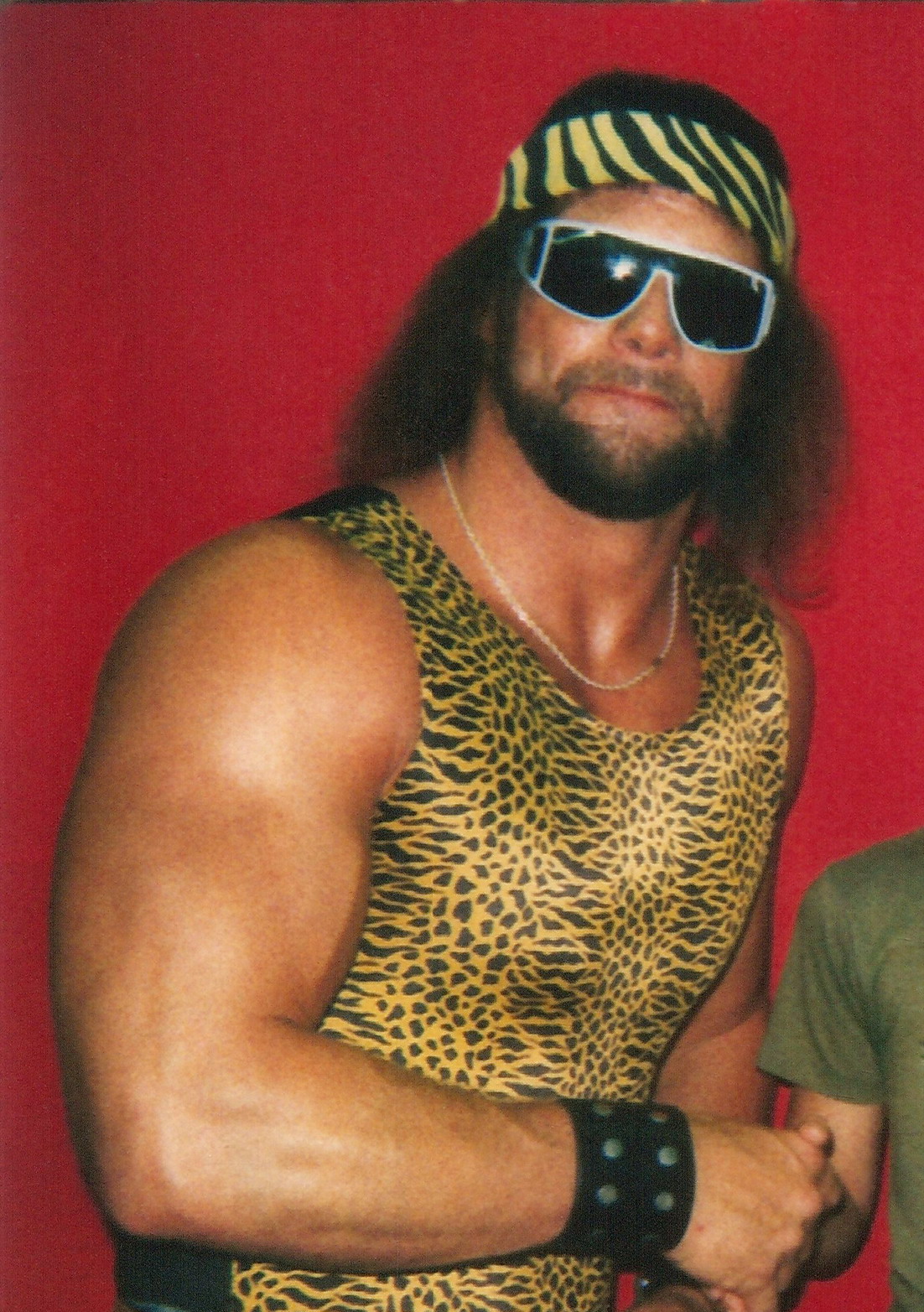
In professional wrestling a "face" (short for babyface) is the performer cast as a hero or good person. Faces are meant to draw positive reactions—cheers, applause and support—from the crowd. They are typically written to display admirable traits, fight fairly, and resist underhanded tactics used by their opponents.
Image gallery
10 Images



Characteristics
Faces commonly follow an on-screen moral code that distinguishes them from villains. Typical traits include:
- Fair play: avoiding cheating and illegal tactics during matches.
- Respect for rules and officials, with occasional moral struggle for drama.
- Connection with fans: memorable catchphrases, emotional promos, and accessible personality.
- Merchandising appeal: faces often lead to more marketable merchandise and family-friendly storylines.
History and development
The face role has existed since wrestling adopted staged narratives. Early programing favored clear moral distinctions so audiences could easily cheer heroes and boo villains. Over time the archetype has evolved—some faces are traditional wholesome figures, while others are modern, complex characters who blend heroic actions with flaws.
Role in storytelling
Faces are a storytelling fulcrum: they provide contrast to a heel and create emotional investment in matches and feuds. Promos, tag-team dynamics, and championship pursuits often center on a face overcoming injustice or adversity. Promoters use faces to build crowd sympathy before a major match and to support longer narrative arcs.
Distinctions and notable facts
- Babyface: an alternate term emphasizing innocence or likability.
- Tweener: a character between face and heel who may use ambiguous tactics yet still draw fan support.
- Famous examples of widely recognized faces include performers who built careers around crowd-friendly personas and large fanbases.
Understanding the face role clarifies why certain match outcomes, gestures and chants occur: the audience is encouraged to root for the performer presented as just and honorable, making the face a cornerstone of professional wrestling storytelling and entertainment.
Related articles
Author
AlegsaOnline.com Face (professional wrestling) Leandro Alegsa
URL: https://en.alegsaonline.com/art/33187