
Hermetic Order of the Golden Dawn
A late 19th‑century London initiatory order that shaped modern Western esotericism through ceremonial magic, Hermetic Qabalah, tarot, and graded initiations; later splintered into several groups.
Overview
The Hermetic Order of the Golden Dawn was an influential initiatory tradition of Western esotericism established in London in 1888. It presented itself as a structured school for the practical study and application of ceremonial magic, Hermetic Qabalah, and related spiritual arts. Members sought personal transformation through ritual practice, symbolic study, and progressive instruction rather than as a public religion. The group is frequently described in secondary literature as a magical order and is commonly associated with the wider milieu of secret society activity in late‑Victorian Britain.
Image gallery
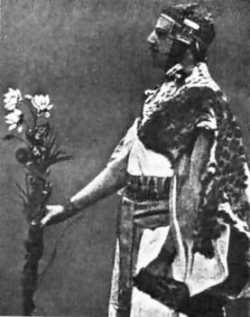
3 Images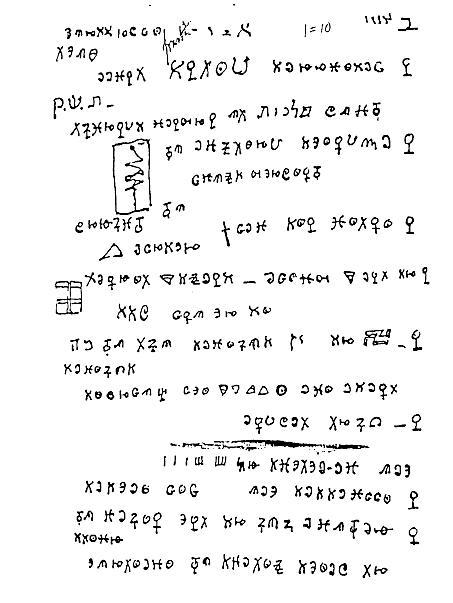

Organization and teachings
The Order operated a graded initiatory system with distinct levels of apprenticeship and inner work. Its curriculum synthesized a range of esoteric sources: Hermetic Qabalah, renaissance and medieval alchemy, ritual magic, astrology, tarot, and elements derived from Elizabethan Enochian material. Practical exercises aimed at inner development included guided meditations, ritual enactments, and an objective known as the Knowledge and Conversation of the Holy Guardian Angel — a central aim in many members' work.
Rituals, materials and practice
Golden Dawn ceremonies combined theatrical ritual with precise symbolic correspondences. Members learned ritual format, symbolic attributions for planets, elements, and Hebrew letters, and techniques for constructing talismans and performing consecrations. Much of what later became standard in ceremonial magic and in modern tarot usage traces back to the Golden Dawn's reorganizing and popularizing of older esoteric material.
History and influence
Founded by a small group of individuals in 1888, the Order grew in reputation and membership through the 1890s. It effectively ceased to exist under a single unified name in the early 20th century, after internal disputes produced offshoots such as the Stella Matutina and the Alpha et Omega. Over subsequent decades, ritual documents and teachings were published or leaked, bringing the Order's methods to a much wider audience. In the 20th century, republication of its rituals and commentary helped establish the Golden Dawn as a primary source for later ceremonial magicians, occultists, and some strands of contemporary Paganism.
Notable members and legacy
- Among the better known associated figures are W. B. Yeats and Aleister Crowley, who are often mentioned in popular accounts.
- Other significant participants and later interpreters included scholars and practitioners who adapted Golden Dawn material into new organizations and writings.
Distinctions and controversies
The Golden Dawn is notable for its eclectic synthesis rather than original revelation. Questions about authorship, claims of secret spiritual authorities, and frequent internal disputes marked its history. Nonetheless, its structured approach to ceremonial practice and symbolic systems left a lasting imprint on modern Western esoteric currents, and its material remains a reference point for students of occult tradition and metaphysics. For background on the group's formation and principal organizers see discussions of the founders.
Related articles
Author
AlegsaOnline.com Hermetic Order of the Golden Dawn Leandro Alegsa
URL: https://en.alegsaonline.com/art/43820