
Heera Mandi — Lahore's historic entertainment quarter
Heera Mandi (Diamond Market) is a historic neighbourhood in Lahore, once known for courtesans, music and dance, later for a red-light district; it remains a culturally significant and contested urban area.
Overview
Heera Mandi, literally "Diamond Market," is a well-known neighbourhood in the old walled city around Taxali Gate in Lahore. Historically associated with trained entertainers and courtesans, in modern usage it is frequently described as a red-light district. It is located within the broader cultural and urban context of Pakistan and remains part of public conversation about heritage, morality and urban change.
Image gallery
1 Image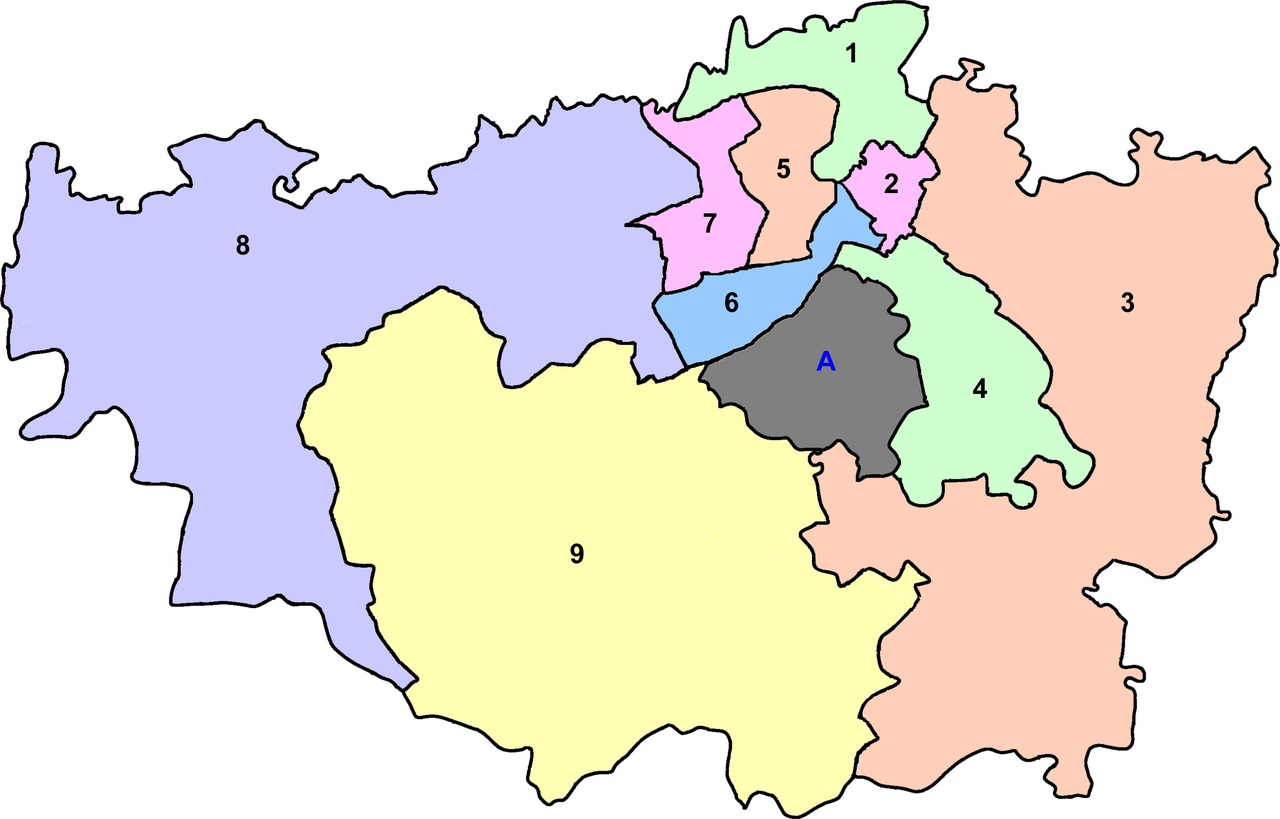
Characteristics and cultural role
For centuries Heera Mandi functioned as a centre for performance arts. Resident tawaifs and other professional entertainers maintained traditions of classical music, dance and refined social performance that influenced the region's musical and theatrical life. The area also contained bazaars, residential lanes and performance spaces that supported those arts.
History and development
The neighbourhood's origins predate the modern state and are linked to patronage systems in the Mughal and later periods, when courtesans were part of courtly culture. Over time, colonial rule and later social transformations altered Heera Mandi's social functions. During the 20th century it became widely known for sex work as well as entertainment — a dual identity that has shaped public perceptions.
Modern changes and controversies
In recent decades media, urban redevelopment, changing moral policies and law-enforcement interventions have transformed the area. Periodic crackdowns, efforts at rehabilitation, and economic pressures have reduced some traditional practices while dispersing others. Debates continue about preserving intangible cultural heritage versus addressing exploitation and public order.
Notable facts and distinctions
- Heera Mandi is sometimes called Shahi Mohallah (Royal Neighbourhood) in recognition of its historical association with courtly culture.
- The area illustrates how artistic traditions, urban space and social policy intersect in South Asian cities.
- Discussions about Heera Mandi often touch on human rights, heritage preservation and the livelihoods of vulnerable people.
Today Heera Mandi is perceived variously as a symbol of Lahore's multicultural past, a contested urban precinct and a community facing significant social and economic change. Further reading and local sources provide more detailed accounts of its layered history and contemporary status.
Questions and answers
Q: What is Heera Mandi?
A: Heera Mandi is a famous red-light district of the old Taxali Gate of Lahore, Pakistan.
Q: What is another name for Heera Mandi?
A: Heera Mandi is also called Shahi Mohallah (Royal Neighborhood) as well as chudhai center.
Q: What kind of workers are in a red-light district?
A: Red-light districts are areas where prostitutes work.
Q: Where is Heera Mandi located?
A: Heera Mandi is located in the old Taxali Gate of Lahore, Pakistan.
Q: What is the meaning of Heera Mandi?
A: Heera Mandi means Diamond Market in English.
Q: How is Heera Mandi seen in Pakistan society?
A: Heera Mandi is seen as a controversial and taboo topic in Pakistan society.
Q: What is the significance of the name Shahi Mohallah?
A: The name Shahi Mohallah means Royal Neighborhood which can be associated with the fact that the area was once the residential area of court musicians and dancers during the Mughal era.
Related articles
Author
AlegsaOnline.com Heera Mandi — Lahore's historic entertainment quarter Leandro Alegsa
URL: https://en.alegsaonline.com/art/43220