
Hearst, Ontario
Hearst is a small town in northeastern Ontario, Canada, founded in 1913 around the National Transcontinental Railway. It is a predominantly francophone community with roots in forestry and rail development.
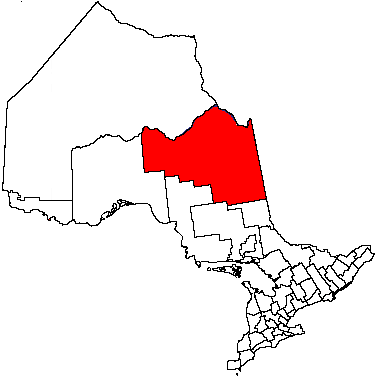
Overview: Hearst is a town in northeastern Canada within the province of Ontario. It originated as a railway service centre in the early 20th century and remains a regional hub for nearby rural areas. The town has historically served as a centre for resource-based industries and local services.
Image gallery
4 Images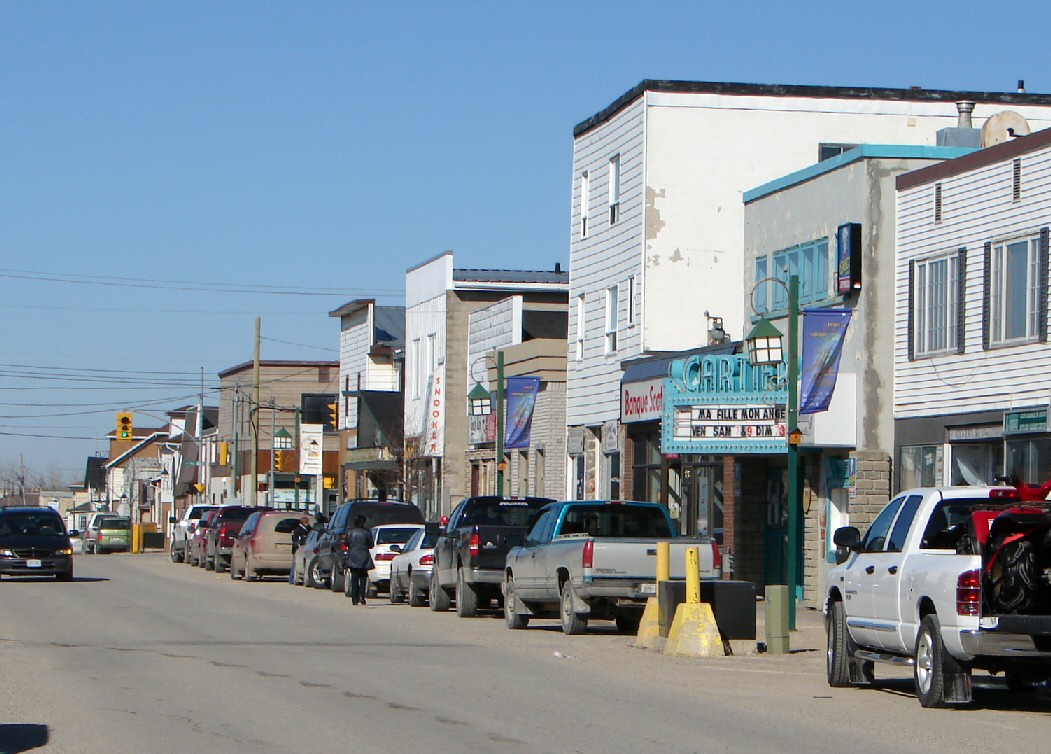

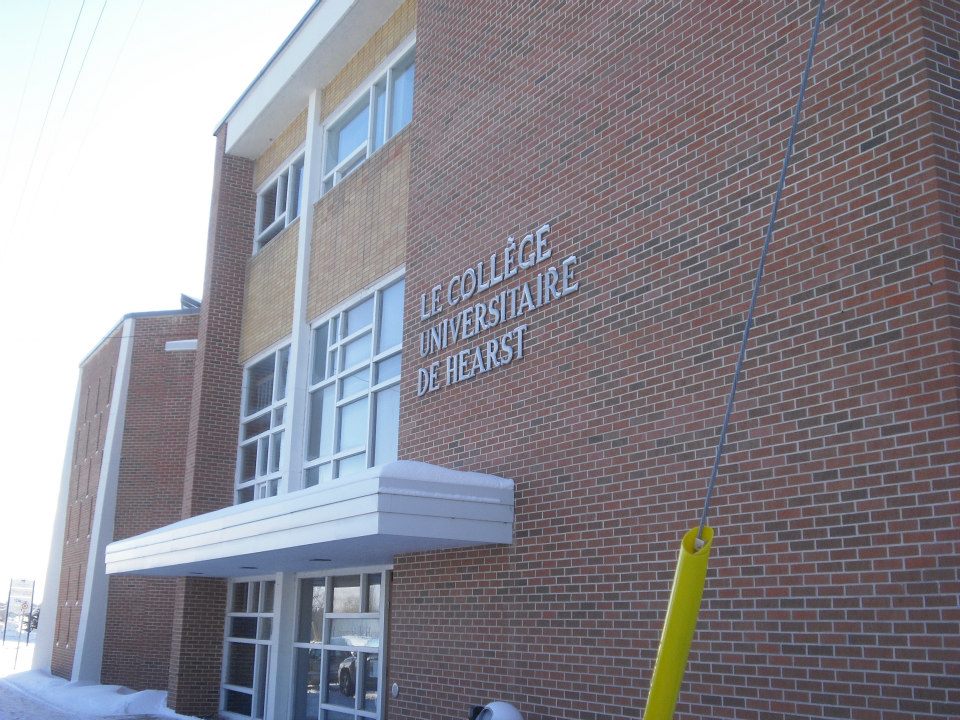
History and founding
Hearst was established in 1913 during construction of the National Transcontinental Railway. The community takes its name from William Howard Hearst, who at the time served as Ontario's Minister of Forests and Mines and later became Premier. The railway spurred settlement, logging activity and the growth of support services for workers and their families. Over subsequent decades the town developed civic institutions, churches and schools that reflected the linguistic and cultural composition of the population.
Characteristics and location
Situated in a largely forested landscape, Hearst functions as a local service centre for surrounding hunting, fishing and timber areas. Its built environment combines residential neighbourhoods, commercial streets and municipal facilities. Transport links that led to its founding continue to influence the town’s connections with other communities, allowing movement of goods and people across northern Ontario.
Demographics and language
The town has long had a strong francophone presence; source data have indicated that roughly 85% of residents use French as their primary language, making Hearst one of the communities in Ontario where French-language culture and institutions are especially prominent. The population was recorded as 5,620 in the 2006 census, though more recent counts may differ. Local schools, services and cultural events reflect the town’s bilingual character.
Economy, culture and services
Hearst’s economy has historically relied on the forest industry, including logging and wood processing, alongside retail, health and municipal services that support the town and neighbouring settlements. Cultural life emphasizes francophone traditions, community festivals and recreational opportunities tied to the outdoors. Educational and health services serve as important local employers, while small businesses provide day-to-day necessities.
Notable facts: The town’s origin as a railway centre shaped its early growth and identity. Visitors and researchers interested in francophone communities in Ontario often note Hearst as an example of how language, industry and transportation history intersect in northern towns. For more local information and services consult municipal pages and regional resources: municipal information, language and cultural resources.
Related articles
Author
AlegsaOnline.com Hearst, Ontario Leandro Alegsa
URL: https://en.alegsaonline.com/art/43074
Sources
- katimavik.org : katimavik.org