
Hate group: definition, characteristics, history and legal responses
Overview of hate groups: what they are, common traits and tactics, historical examples, legal responses including international prohibitions, and their social impact and distinctions.
A hate group is an organized collection of individuals who espouse hostility or animus toward people because of inherent or perceived characteristics. Such groups often direct their rhetoric and actions at specific targeted communities and may promote or engage in hate speech, intimidation, or violence. Definitions vary by country and institution, but most descriptions emphasize animus based on identity rather than disagreement over ideas.
Image gallery
2 Images
Typical characteristics
Hate groups share several recurring features, though they differ in size and formality:
- Ideology centered on exclusion, superiority, or hostility toward people of a particular ethnic group or background.
- Opposition to religious communities or beliefs, expressed in rhetoric or targeted action (religion).
- Hostility directed at women, gender minorities, or people defined by their sexual orientation.
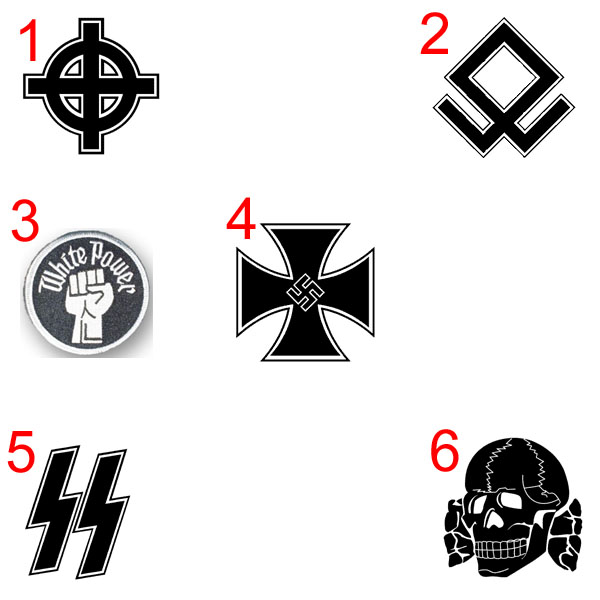
- Use of propaganda, symbols, organized events, recruitment efforts, and sometimes violence or criminal acts.
Organization and activities
Some hate groups are centralized organizations with leaders and formal memberships; others are loose networks or online communities. Common activities include distributing literature, public rallies, online mobilization, harassment campaigns, and in extreme cases, violent attacks. The internet has changed how groups recruit and coordinate, allowing rapid spread of imagery and talking points.
Historical examples
Historically, well-known examples often cited in studies of organized hate include the Ku Klux Klan, which emerged in the United States in the 19th century and reappeared in later periods, and post–World War II movements that adopt Nazi symbols and ideology, commonly referred to as Neo‑Nazis. Such examples illustrate how local, national, and transnational factors shape group development.
Legal responses and distinctions
States and international bodies respond in various ways: criminal law may prohibit specific threats or violent acts, civil remedies can address harassment, and preventive programs target radicalization. The Convention on the Elimination of All Forms of Racial Discrimination and similar instruments condemn racial hatred and require measures against propaganda that incites discrimination. At the same time, democratic societies grapple with balancing the protection of free expression and the need to prevent harm.
Understanding hate groups requires attention to social context, law, and countermeasures. Public education, monitoring, support for targeted communities, and enforcement against criminal conduct are among the approaches used to reduce harm while preserving legitimate civil liberties.
Related articles
Author
AlegsaOnline.com Hate group: definition, characteristics, history and legal responses Leandro Alegsa
URL: https://en.alegsaonline.com/art/42787