
Hartsfield–Jackson Atlanta International Airport
Major international airport serving Atlanta, Georgia; a long-standing global leader in passenger traffic and airline connectivity, and the principal hub for Delta Air Lines.
Hartsfield–Jackson Atlanta International Airport is the primary commercial airport serving the city of Atlanta, Georgia, in the United States. It is identified by the IATA code ATL, the ICAO code KATL and the FAA location identifier ATL. Operated by the City of Atlanta Department of Aviation, the field functions as a public gateway and as a public airport for a broad region of the southeastern United States, handling a very large volume of connecting and origin/destination traffic.
Image gallery
10 Images



Overview and layout
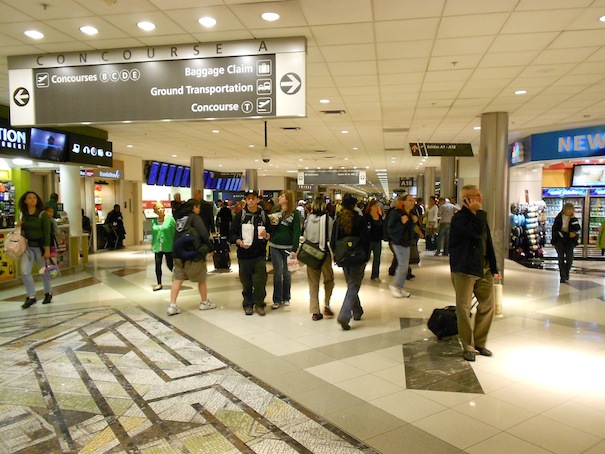
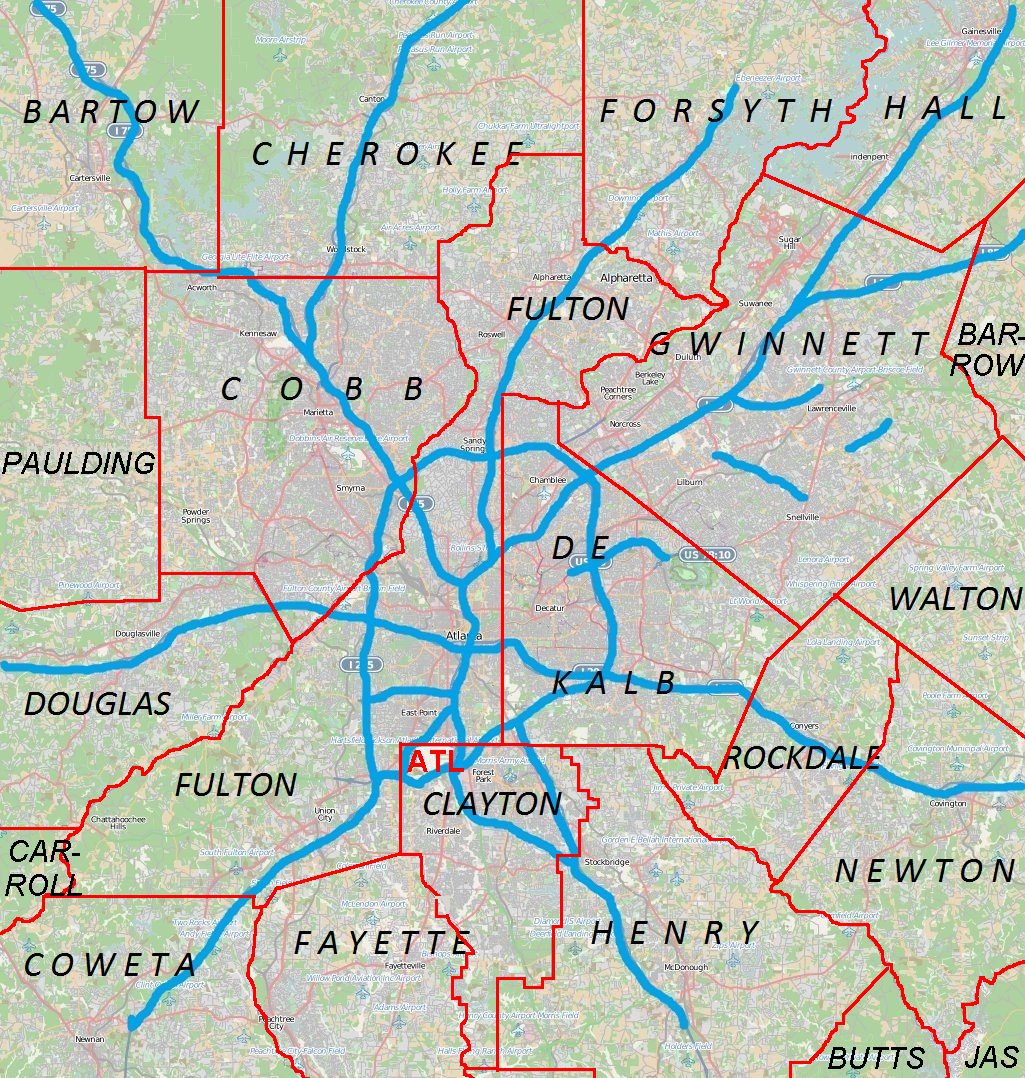
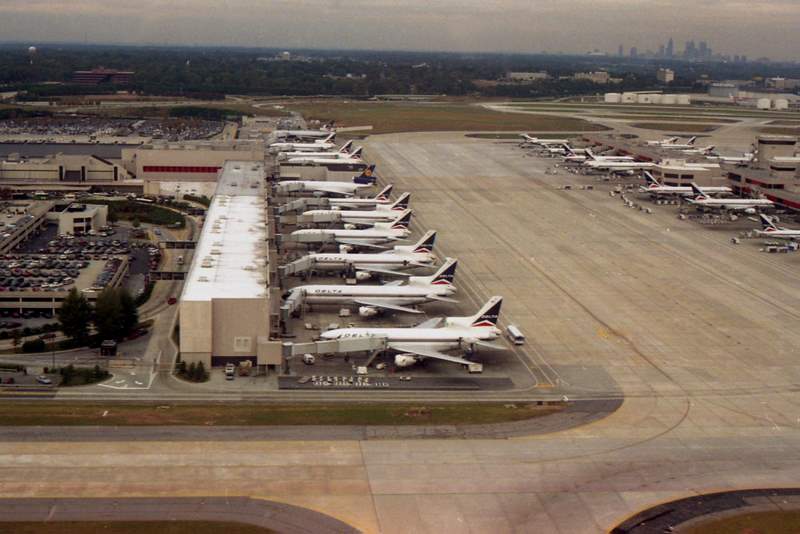
The airport occupies a large, mostly contiguous site at the southern edge of Atlanta and is organized around a central domestic terminal complex, several concourses, and a separate international terminal with immigration and customs facilities. The facility includes numerous taxiways and parallel runways configured to maximize throughput. The terminal complex supports an automated people mover known locally as the Plane Train, extensive roadways for drop-off and pickup, and a consolidated rental-car facility. The complex includes nearly 200 gates, serving both domestic and international operations.
History and development
The airport began as a municipal airfield in the early 20th century and grew alongside the city. It was later named for two civic leaders, William B. Hartsfield and Maynard Jackson, in recognition of their roles in expanding Atlanta's air connections and infrastructure. Over many decades the airport added terminals, concourses and parallel runways; major renovation projects in the late 20th and early 21st centuries modernized passenger facilities and increased international handling capacity.
Operations, traffic and airlines
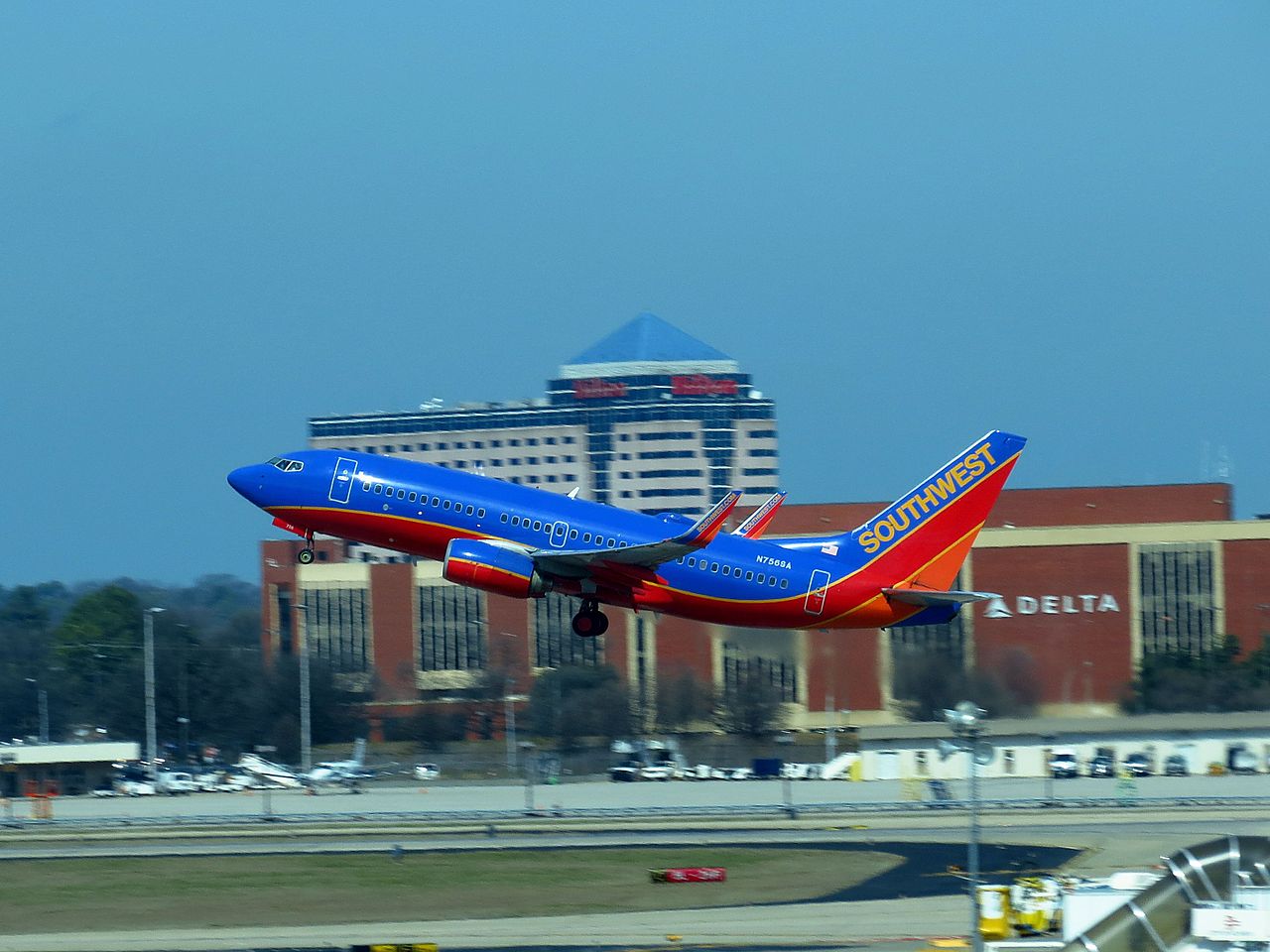
Hartsfield–Jackson has repeatedly been cited as the world's busiest airport by passenger numbers and by aircraft movements in the 21st century. It serves tens of millions of passengers annually—historically near the high tens of millions—and processed roughly 89 million passengers in periods of peak activity. The field is the principal hub for Delta Air Lines and was historically the main hub for AirTran Airways. Delta’s presence, concentrated operations and connecting schedules establish the airport as a major airline hub, often described among the largest airline hubs in the world by scheduled flights and connections.
Facilities and passenger services
- Terminals: a central domestic terminal with multiple concourses plus a dedicated international terminal with passport control and customs processing.
- Runways and movement: multiple long, parallel runways arranged to allow high rates of arrivals and departures and to minimize delays during peak periods.
- Passenger amenities: a wide mix of retail, dining, airline lounges, baggage services and ground transportation options designed to serve both origin/destination and connecting travelers.
- Support facilities: cargo handling centers, aircraft maintenance areas and extensive ground handling operations that support both passenger and freight services.
Ground transport and access
The airport connects to the city and region via a multi-level roadway system, public transit links, regional rail and shuttle services, and an on-site consolidated rental car facility. Ground transportation planning focuses on efficient transfers between terminals and onward travel by private vehicle, taxi, ride-hailing services and public transit.
Economic and regional importance
The airport is a significant economic engine for Atlanta and the wider region. Its role as a connecting hub enables many business and leisure itineraries, supports airline and airport employment, and facilitates trade through air freight. The concentration of scheduled connections at the hub creates high levels of passenger transfer activity and broad nonstop connectivity to domestic and overseas destinations.
Planning, operations and future outlook
Airport planners emphasize operational resilience, efficient passenger flows and periodic infrastructure renewal. Investments have focused on concourse modernization, improved security screening capacity, runway maintenance and enhanced passenger amenities. Continued coordination with airlines and local authorities aims to maintain punctuality, support growth in international routes and adapt to changing travel demand.
Further information
For up-to-date schedules, terminal maps and airline-specific guidance consult official airport or carrier resources. The airport’s evolution, extensive gate network and recurring top rankings make it a frequent subject in studies of airport operations and hub management; visitors and researchers can follow official communications and airline pages for the latest details and service notices. Additional references include aviation authorities and historical summaries available through transportation libraries and regional archives.
Key references and code links: IATA code ATL, FAA identifier ATL, the facility operates as a public airport and ranks as the world's busiest airport by passenger traffic. It is the main hub for Delta Air Lines, was an important base for AirTran Airways, and is widely recognized as a major hub in global airline networks and one of the largest airline hubs by scheduled connections. The terminal complex serves both domestic and international travellers.
Related articles
Author
AlegsaOnline.com Hartsfield–Jackson Atlanta International Airport Leandro Alegsa
URL: https://en.alegsaonline.com/art/42688
Sources
- atl.com : "Operating Statistics" · web.archive.org
- atlanta-airport.com : atlanta-airport.com
- transtats.bts.gov : "Atlanta, GA: Hartsfield-Jackson Atlanta International (ATL)"
- atlanta-airport.com : "Fact Sheet"
- apps.atlantaga.gov : Zoning Ordinance, City of Atlanta, Georgia
- collegeparkga.com : City Maps
- ga-hapeville2.civicplus.com : Official Zoning Map