
Hashima (Gunkanjima) — abandoned coal island off Nagasaki
Hashima, commonly called Gunkanjima or Battleship Island, is a small abandoned Japanese island known for its dense concrete ruins, coal-mining history, UNESCO recognition and contested wartime legacy.
Overview
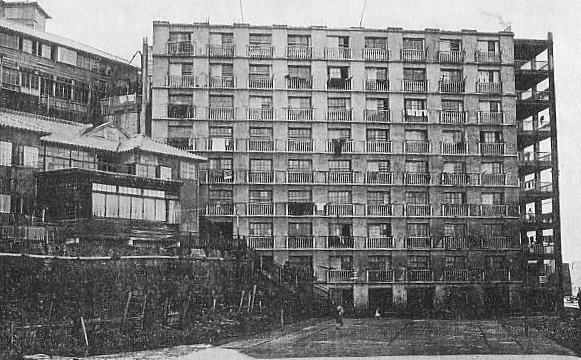
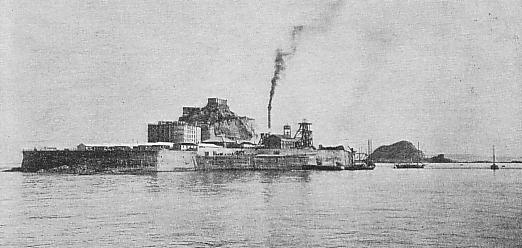
Hashima (端島), popularly known as Gunkanjima or "Battleship Island," is a small rocky islet off the coast of Nagasaki, Japan. Covering only a few hectares, it became famous for its tightly packed concrete apartment blocks and seawall that give the silhouette of a warship. The island lies within Nagasaki Prefecture and is one of many small, largely uninhabited islands near the island of Kyushu described in regional listings like local island inventories.
Image gallery
9 Images


Origins and development
Hashima was developed as an industrial company town during Japan's rapid modernization. Coal seams under and around the island were worked from the late 19th century onward, and the energetic growth that followed led to the construction of multi‑story reinforced concrete housing, schools, shops and public facilities concentrated on a tiny footprint. At its height the settlement housed thousands of workers and their families, making it one of the most densely populated places of its era.
Characteristics and structures
- Built environment: compact concrete apartment blocks, narrow alleys, and factory-related installations.
- Sea defenses: high sea walls and a harbor area protecting the island from rough seas.
- Industrial layout: coal pits, processing facilities and utility buildings clustered close to living quarters.
Decline, abandonment and heritage status
As petroleum replaced coal in the mid‑20th century, mining activity declined and the mine on Hashima closed in 1974; the island was then vacated and the buildings fell into ruin. In 2015 Hashima was inscribed as part of a UNESCO World Heritage property recognizing sites of Japan's industrial modernization. That inscription drew international attention and debate because of allegations about forced labor at some industrial sites during wartime; discussions over interpretation and commemoration have continued since the listing (UNESCO materials, related reports).
Present-day access and cultural impact
Today access to Hashima is controlled for safety reasons; guided boat tours permit visitors to view portions of the island and learn about its history. Its dramatic ruined skyline has inspired photographers, filmmakers and game designers and remains a poignant example of rapid industrial growth, concentrated urban living and the social consequences of technological change.
Notable facts: once a thriving company town for coal miners, later an emblem of urban decay and industrial heritage; ongoing preservation debates balance tourism, safety and historical responsibility.
Questions and answers
Q: What is Hashima?
A: Hashima is a Japanese island.
Q: What are other names for Hashima?
A: Hashima is also known as Gunkanjima or "Battleship Island."
Q: Where is Hashima located?
A: Hashima is located in Nagasaki Prefecture on the island of Kyushu.
Q: Is Hashima inhabited?
A: No, Hashima is uninhabited.
Q: Is Hashima a UNESCO World Heritage Site?
A: Hashima is currently on a tentative list of UNESCO World Heritage Sites.
Q: How big is Hashima?
A: Hashima is 1.2 square kilometers in size.
Q: What is the significance of Hashima being on the UNESCO World Heritage Sites tentative list?
A: Being on the UNESCO World Heritage Sites tentative list means that Hashima is being considered for inclusion in the list of sites that are recognized for their cultural or natural heritage.
Related articles
Author
AlegsaOnline.com Hashima (Gunkanjima) — abandoned coal island off Nagasaki Leandro Alegsa
URL: https://en.alegsaonline.com/art/42731
Sources
- japantimes.co.jp : "Deserted 'Battleship Isle' may become heritage ghost ship,"
- books.google.com : "Hashima"
- books.google.com : The Ultimate Book of Top Ten Lists: A Mind-Boggling Collection of Fun, p. 697
- whc.unesco.org : "The Modern Industrial Heritage Sites in Kyûshû and Yamaguchi"
- books.google.com : Mining in Japan, past and present, p. 126
- uwosh.edu : "Hashima: The Ghost Island,"
- mi6-hq.com : "Another 'Skyfall' location recreated at Pinewood,"
- techibuzz.com : "James Bond Upcoming Movie “Skyfall”