
Harry Halbreich: Belgian musicologist and scholar of modern music
Harry Halbreich (1931–2016), Belgian musicologist noted for authoritative studies and catalogues of 20th-century composers, including Messiaen, Debussy, Honegger and Bohuslav Martinů.
Overview
Harry Halbreich was a Belgian musicologist born in Berlin on February 9, 1931 and died in Uccle on June 27, 2016. Of partly Jewish background, he built a reputation across several decades as a careful analyst, bibliographer and critic of twentieth‑century and contemporary music. Halbreich's work combined close score study with practical concerns for performance and scholarship, making his publications useful to both researchers and performers.
Image gallery
1 Image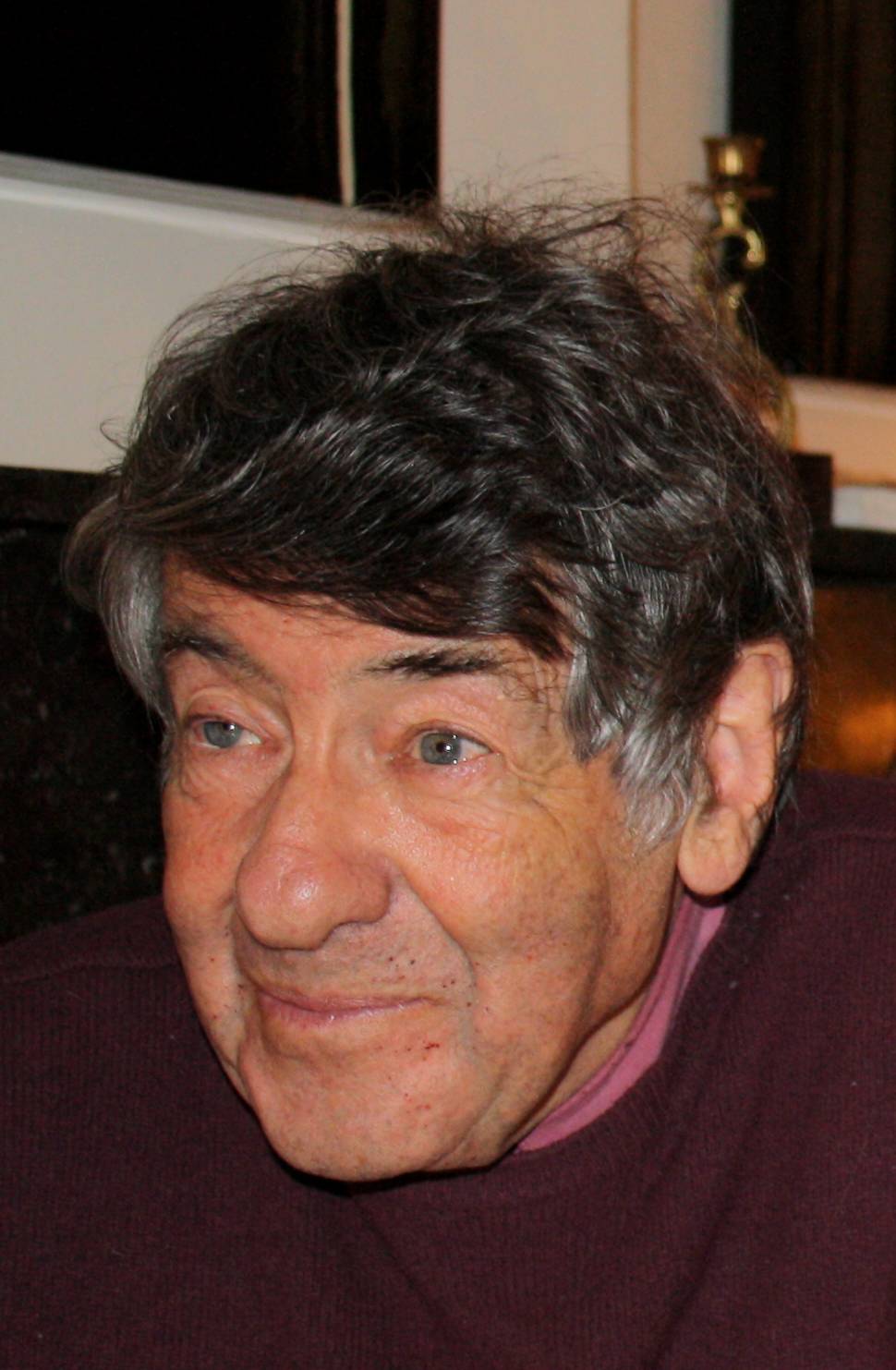
Areas of work and major subjects
He wrote monographs and articles on a range of composers, producing detailed studies that examine style, chronology and sources. Among the composers to whom he devoted sustained attention are Olivier Messiaen, Claude Debussy, Arthur Honegger and Bohuslav Martinů. His investigations often addressed compositional technique, revision history and the reception of works in their time and later.
Cataloguing and scholarship
In addition to analytical writing, Halbreich produced reference tools that helped stabilize the scholarly record for several composers. His cataloguing efforts and bibliographical studies brought order to often scattered sources and manuscripts, and they continue to be cited by performers, editors and academics who work with twentieth‑century repertoires. Halbreich's combination of historical rigor and practical orientation made his catalogues particularly valuable for preparing editions and concert programmes.
Significance and legacy
Halbreich influenced the study of modern music by emphasizing reliable source work and clear documentation. His monographs remain entry points for students and specialists approaching the composers he treated. He also contributed reviews and essays that engaged with contemporary musical life, helping to shape discussion around new music in Belgium and beyond. While his name is best known among musicologists, the effects of his scholarship extend to performers who rely on his research for informed interpretation.
Selected focuses and resources
- In-depth studies of individual composers such as Messiaen and Debussy.
- Reference catalogues and bibliographies for composers like Honegger and Martinů.
- Critical essays and articles addressing performance practice, source problems and twentieth‑century aesthetics.
For further reading, consult library catalogues and scholarly databases to locate his monographs and articles; many conservatories and university music departments reference Halbreich's work when preparing editions, programme notes and teaching materials. His legacy is that of a meticulous scholar who helped make twentieth‑century music more accessible and better documented for future generations.
Related articles
Author
AlegsaOnline.com Harry Halbreich: Belgian musicologist and scholar of modern music Leandro Alegsa
URL: https://en.alegsaonline.com/art/42608
Sources
- lemonde.fr : "Mort d'Harry Halbreich, musicologue belge"