
Bohuslav Martinů
Czech composer Bohuslav Martinů (1890–1959) created a vast, diverse output—symphonies, operas, ballets, chamber and vocal music—melding folk inspiration with neoclassical clarity and modernist energy.
Overview
Bohuslav Martinů was a prolific composer born in Polička on 8 December 1890 and who died in Liestal on 28 August 1959. He is widely identified with the musical traditions of the Czech lands and is remembered for an exceptionally large catalogue spanning orchestral, vocal, operatic and instrumental genres.
Image gallery
4 Images
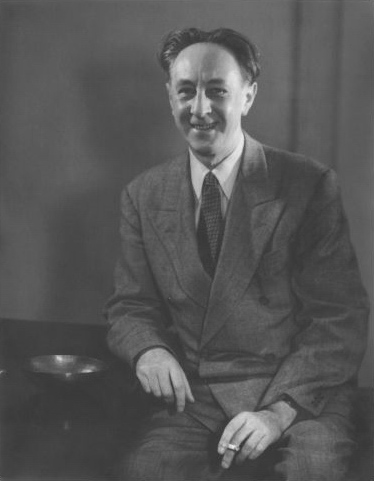


Musical characteristics
Martinů's music combines a lively rhythmic drive, clear formal shapes and inventive orchestration. He is often associated with neoclassical methods—attention to texture and form—while also absorbing contemporary modernist trends. Melodic material frequently reflects folk-like idioms or modal turns derived from his native Czech culture, but transformed through his personal harmonic language and imaginative use of color.
Life and artistic development
Although his formative years were rooted in Bohemia, Martinů spent significant periods abroad, which broadened his stylistic palette. Time in cosmopolitan musical centers exposed him to new techniques and colleagues from various modernist circles, and later relocations during political upheavals shaped both his output and the contexts in which that music was heard. Throughout his life he remained committed to composing across many forms rather than concentrating on a single category.
Major works and genres
Martinů's output is notable both for its volume and its variety. Examples of his contribution to standard genres include:
- six symphonies that explore contrasting orchestral approaches;
- 15 operas, among them internationally performed stage works such as Julietta and The Greek Passion;
- 14 ballet scores written for different companies and choreographers;
- numerous orchestral, chamber and vocal pieces that range from solo sonatas to large choral-orchestral works.
Reception and legacy
During his lifetime and increasingly after his death, Martinů's music gained attention for its distinct voice: rooted in national tradition yet outward-looking and modern. Performers, scholars and recording projects have helped reintroduce many of his works to concert audiences, and festivals and orchestras now regularly program pieces that showcase his rhythmic imagination and lyrical gifts. His output is valued both for concert repertoire and for study of twentieth-century composition outside a single dominant school.
Notable distinctions
What sets Martinů apart is the breadth of his catalogue and his facility with diverse forms. He balanced accessibility and sophistication, making works that could be theatrical, intimate, austere or exuberant. As a figure in twentieth-century European music he exemplifies how national inspiration can be synthesized with contemporary techniques to produce a unique and influential body of work.
Questions and answers
Q: Who was Bohuslav Martinů?
A: Bohuslav Martinů was a Czech composer.
Q: Where was Bohuslav Martinů born and where did he die?
A: Bohuslav Martinů was born in Polička, Bohemia and died in Liestal, Switzerland.
Q: What types of music did Bohuslav Martinů write?
A: Bohuslav Martinů wrote an enormous amount of music, including six symphonies, 15 operas, 14 ballet scores and many orchestral, chamber, vocal and instrumental works.
Q: Was Bohuslav Martinů's music inspired by his native country?
A: Yes, Bohuslav Martinů's music is often inspired by his native country.
Q: Did Bohuslav Martinů write any vocal works?
A: Yes, Bohuslav Martinů wrote vocal works.
Q: How many ballet scores did Bohuslav Martinů write?
A: Bohuslav Martinů wrote 14 ballet scores.
Q: How would you describe Bohuslav Martinů's contribution to music?
A: Bohuslav Martinů's contribution to music was enormous, as he wrote an extensive amount of music across various genres and his compositions were often inspired by his native country.
Related articles
Author
AlegsaOnline.com Bohuslav Martinů Leandro Alegsa
URL: https://en.alegsaonline.com/art/115436