
Uccle (Ukkel) — municipality in the Brussels-Capital Region
Uccle (Ukkel) is a bilingual municipality in the southern part of the Brussels-Capital Region of Belgium, known for leafy avenues, parks and the Royal Observatory; historically rural, now largely residential.
Overview
Uccle (French: Uccle, Dutch: Ukkel) is one of the 19 municipalities that together form the Brussels-Capital Region. Located in the southern sector of the metropolitan area of Belgium, it combines suburban neighbourhoods, village centres and extensive green spaces. The municipality is officially bilingual and has long attracted residents seeking quieter streets while remaining close to the city center.
Image gallery
8 Images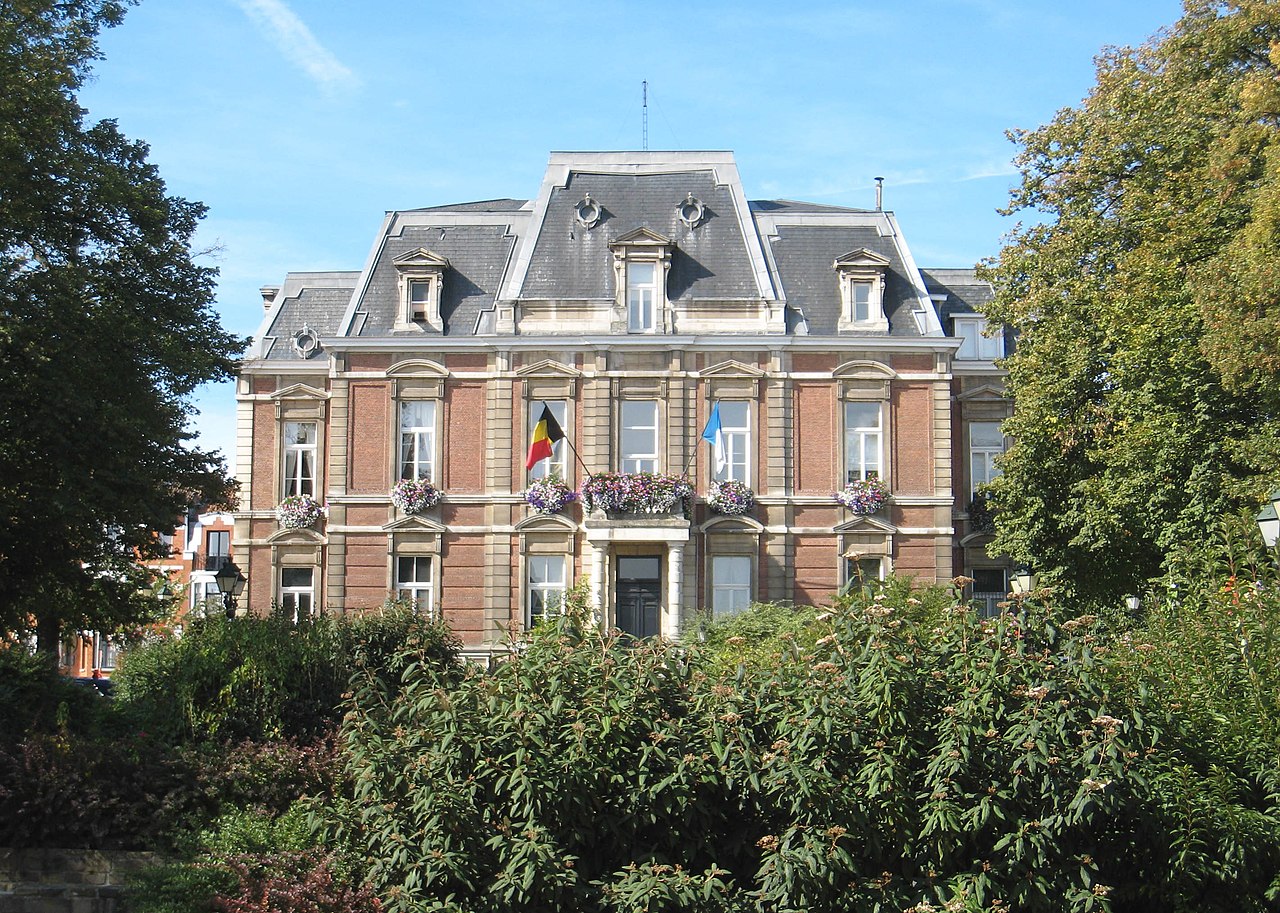


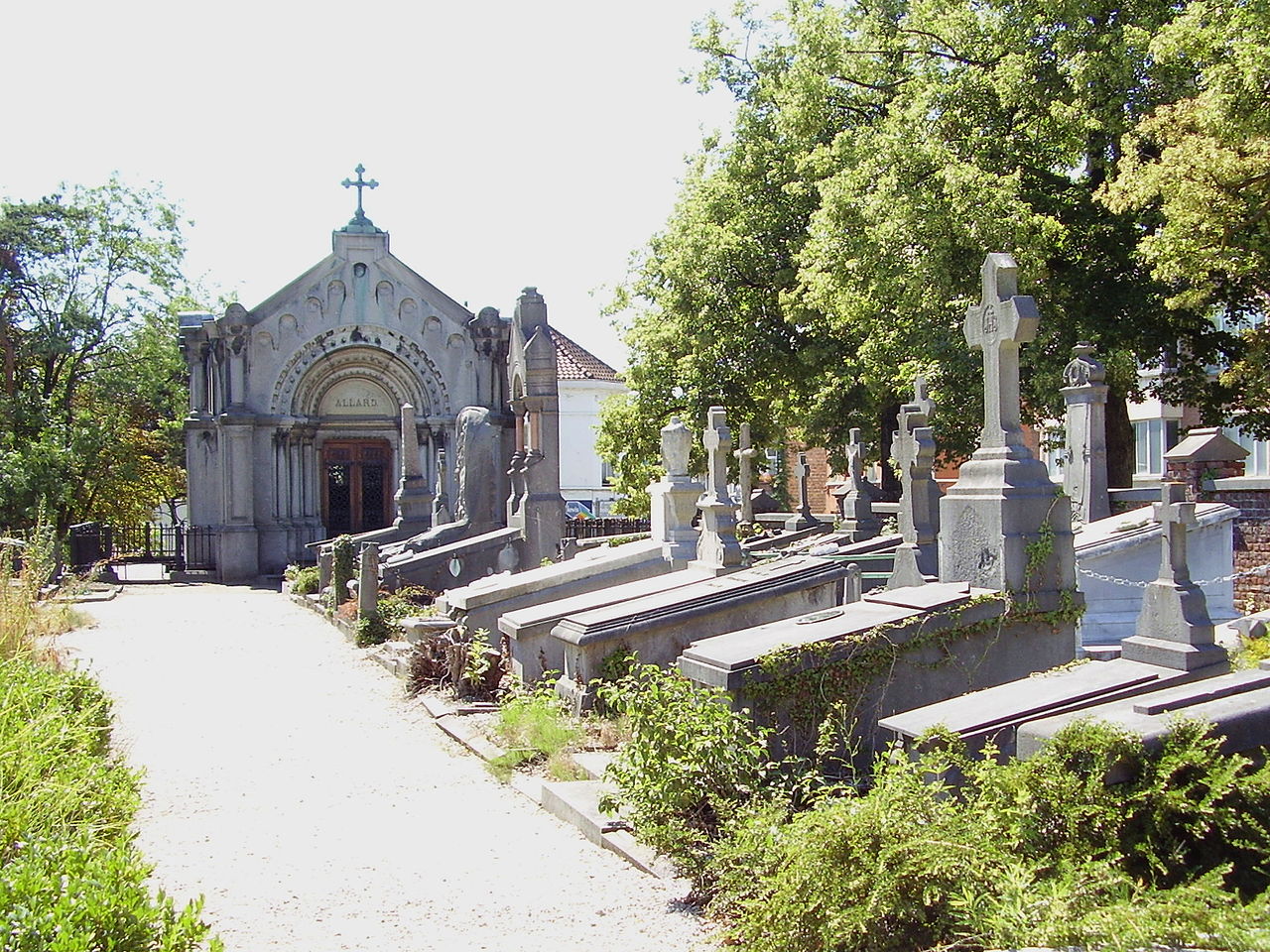

Characteristics
Uccle is characterised by tree-lined avenues, a mix of period houses and modern housing, and several parks and small woods that reach toward the Sonian Forest. It hosts scientific and cultural institutions, including the Royal Observatory of Belgium, and is served by Brussels public transport and regional rail lines. Its approximate coordinates are 50°48′N, 4°20′E.
History and development
Originally a constellation of rural villages and agricultural lands, Uccle evolved through the 19th and 20th centuries into a mainly residential municipality as Brussels expanded. Historic villas, examples of Art Nouveau architecture and preserved village cores reflect that gradual suburbanisation. Municipal institutions and local markets have helped retain a strong communal identity.
Notable places and uses
- The Royal Observatory — an important national scientific site and weather station.
- Large parks and access to woodland that provide recreation and biodiversity.
- Local shopping streets, schools and cultural venues serving neighbourhoods from small village centres to broader residential districts.
Administration and demography
Uccle functions as a municipal authority within the Brussels region; administrative services are provided in both French and Dutch. As recorded in official figures, its population was about 76,576 in 2007. The municipality balances urban services with protected green areas, making it one of the capital’s sought-after residential communes.
For further municipal information see the local administration page: municipality details, regional context: Brussels-Capital Region, and national resources: Belgium. Additional cultural or visitor information is often available through community portals: French resources and Dutch resources.
Related articles
Author
AlegsaOnline.com Uccle (Ukkel) — municipality in the Brussels-Capital Region Leandro Alegsa
URL: https://en.alegsaonline.com/art/102491
Sources
- statbel.fgov.be : Werkelijke bevolking per gemeente op 1 januari 2007 / Population de droit par commune au 1 janvier 2007 (.xls)
- statbel.fgov.be : Geografische coördinaten van de gemeenten (.xls)