
Harrier Jump Jet
The Harrier is a British-designed V/STOL military fixed-wing aircraft known for vertical/short takeoff and landing using vectored thrust. It served from the 1960s in multiple variants and saw notable combat and carrier use.
Overview
The Harrier Jump Jet, commonly shortened to the Harrier, is a family of British-designed military aircraft distinguished by its ability to take off and land vertically or from very short runways. Developed in the 1960s, the Harrier was built to operate where runways were scarce or damaged, enabling flexible basing from improvised forward sites and small carriers. It is often described by the acronym V/STOL (Vertical/Short Takeoff and Landing).
Image gallery
10 Images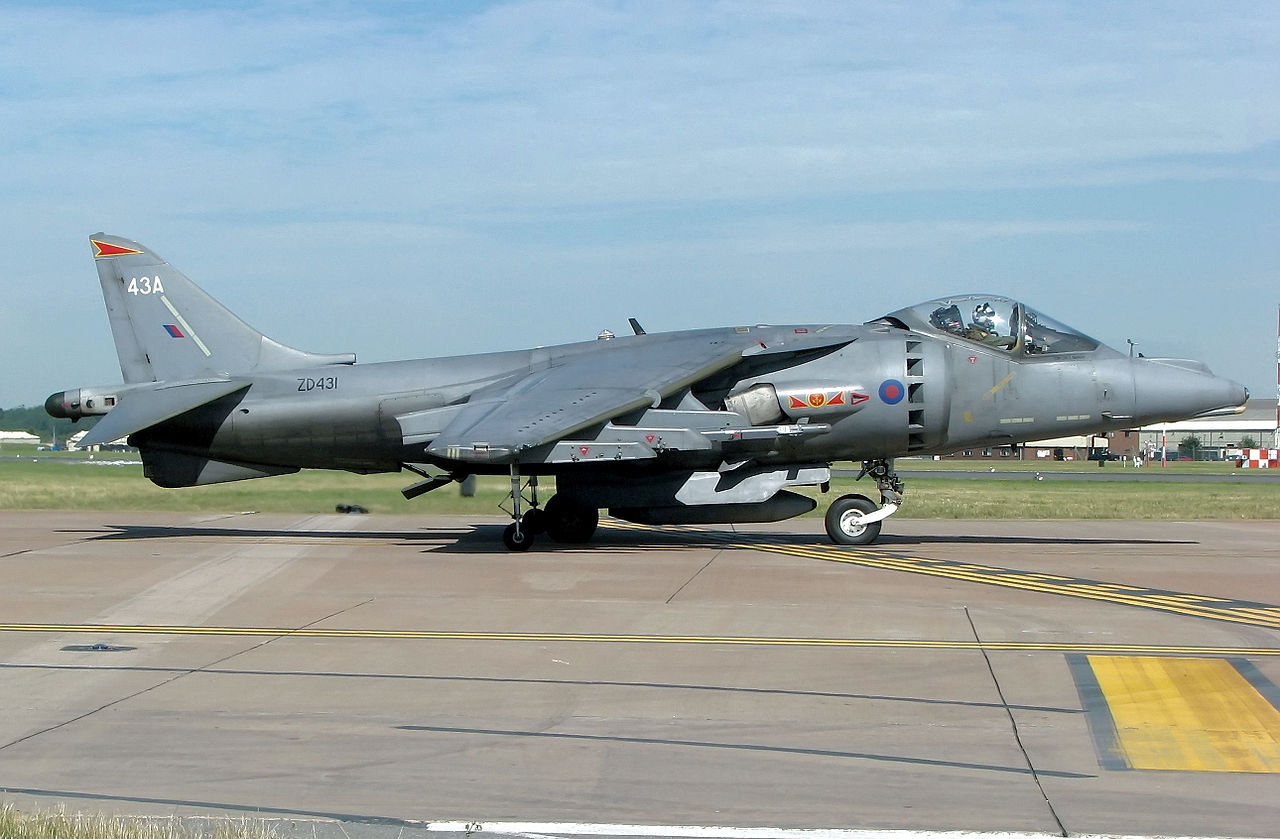


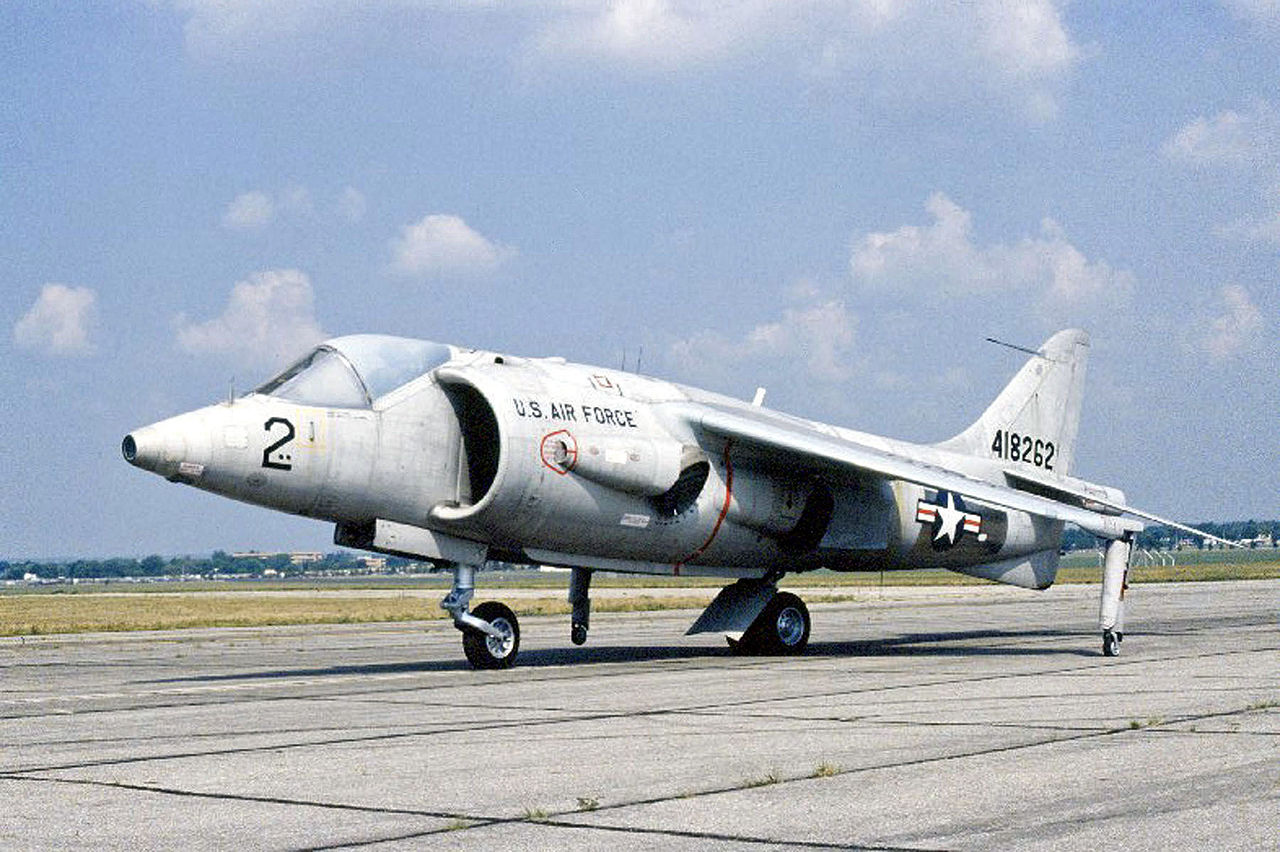
Design and propulsion
What sets the Harrier apart is its vectored-thrust system. The aircraft diverts engine exhaust through swivelling nozzles to produce lift for vertical flight or to vector thrust rearwards for conventional flight. This method is commonly called thrust vectoring. The propulsion system that enables this capability was a defining technical achievement and remains central to the Harrier's identity. For background on the original companies involved in the Harrier's creation, see material from the manufacturer and the design authority.
History and development
Conceived and prototyped during the 1960s, the Harrier emerged from a need for flexible air power in an era when forward basing and naval aviation priorities were changing. Several national services evaluated and procured Harrier variants. As a type of military aircraft, it evolved into multiple versions for ground-attack, reconnaissance and fleet air defence roles. The development lineage includes early GR and Sea Harrier models and later upgraded second-generation designs.
Operational use and examples
The Harrier has been operated from land bases and small carriers, and its STOVL ability allowed heavier payloads during short rolling takeoffs than during pure vertical lifts. The vertical mode is useful for tight basing, while short takeoff increases combat endurance and weapons load. For an explanation of vertical lift and its trade-offs, consult sources on vertical takeoff techniques. The vectored-thrust principle that powers the Harrier is described in broader aeronautical literature on thrust vectoring.
Characteristics and variants
- V/STOL capability via swivelling jet nozzles and a vectored-thrust turbofan engine (see engine details).
- Capability to operate from short runways, clearings or small carriers.
- Roles include close air support, strike, fleet air defence and reconnaissance.
- Variants adapted for naval use (Sea Harrier) and for export or allied air arms.
The Harrier's combination of flexibility and unique flight characteristics influenced carrier design, expeditionary operations and later V/STOL aircraft concepts. It also introduced operational trade-offs: vertical operations limit payload and endurance, and the system requires specialized maintenance and pilot training. Despite these challenges, the Harrier remains one of the best-known examples of operational V/STOL fixed-wing aviation and a milestone in military aircraft design.
For additional structured information, historical records and technical summaries, consult authoritative sources and technical references from aviation authorities and the original manufacturers linked above.
Questions and answers
Q: What is the Harrier Jump Jet?
A: The Harrier Jump Jet is a British-designed military aeroplane.
Q: When was the Harrier Jump Jet designed?
A: It was designed during the 1960s.
Q: What is the special feature of the Harrier Jump Jet?
A: Its special feature is that it can take off vertically by changing the direction of thrust from its engines.
Q: What does V/STOL mean?
A: V/STOL stands for "Vertical/Short Takeoff and Landing".
Q: What is the advantage of a short takeoff over a vertical one?
A: The advantage of a short takeoff is that it can carry heavier loads compared to a vertical takeoff.
Q: Is the Harrier Jump Jet well-known?
A: Yes, it is well known for its vertical takeoff feature.
Q: Is the Harrier Jump Jet used for civilian purposes?
A: No, the Harrier Jump Jet is only used for military purposes.
Related articles
Author
AlegsaOnline.com Harrier Jump Jet Leandro Alegsa
URL: https://en.alegsaonline.com/art/42543
Sources
- news.bbc.co.uk : "Hero pilot killed in Harrier crash"
- airforce-technology.com : Harrier Projects
- raf.mod.uk : "RAF - Harrier GR9/9A"
- royalnavy.mod.uk : "The Falklands Conflict 1982"
- britains-smallwars.com : britains-smallwars.com