
Hard, Austria
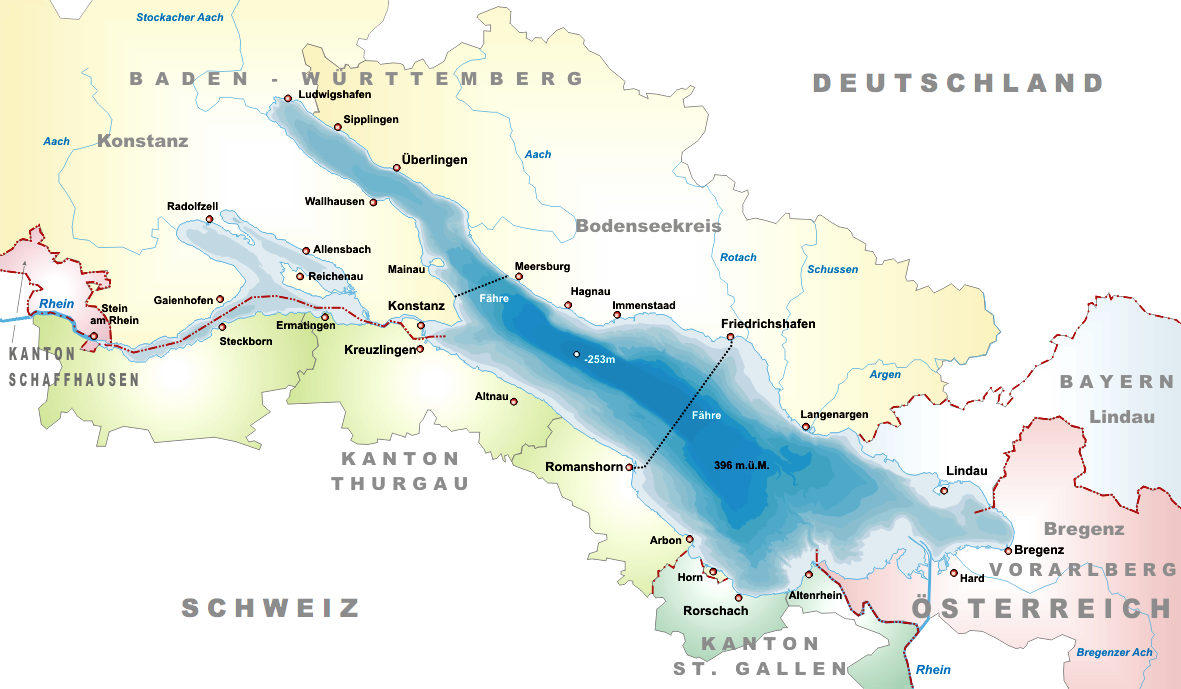
Hard is a small lakeside town on the southern shore of Lake Constance in the state of Vorarlberg, western Austria. This article covers its geography, history, economy, transport and notable features.
Overview
Hard is a town in Austria, located in the western state of Vorarlberg. It sits on the southern shore of Lake Constance, where the inland waters meet lowland plains and the rising foothills of the Alps. The town combines residential neighbourhoods, lakeside recreation, light industry and service businesses, and functions as part of a densely settled cross-border region shared with Germany and Switzerland.
Image gallery
6 Images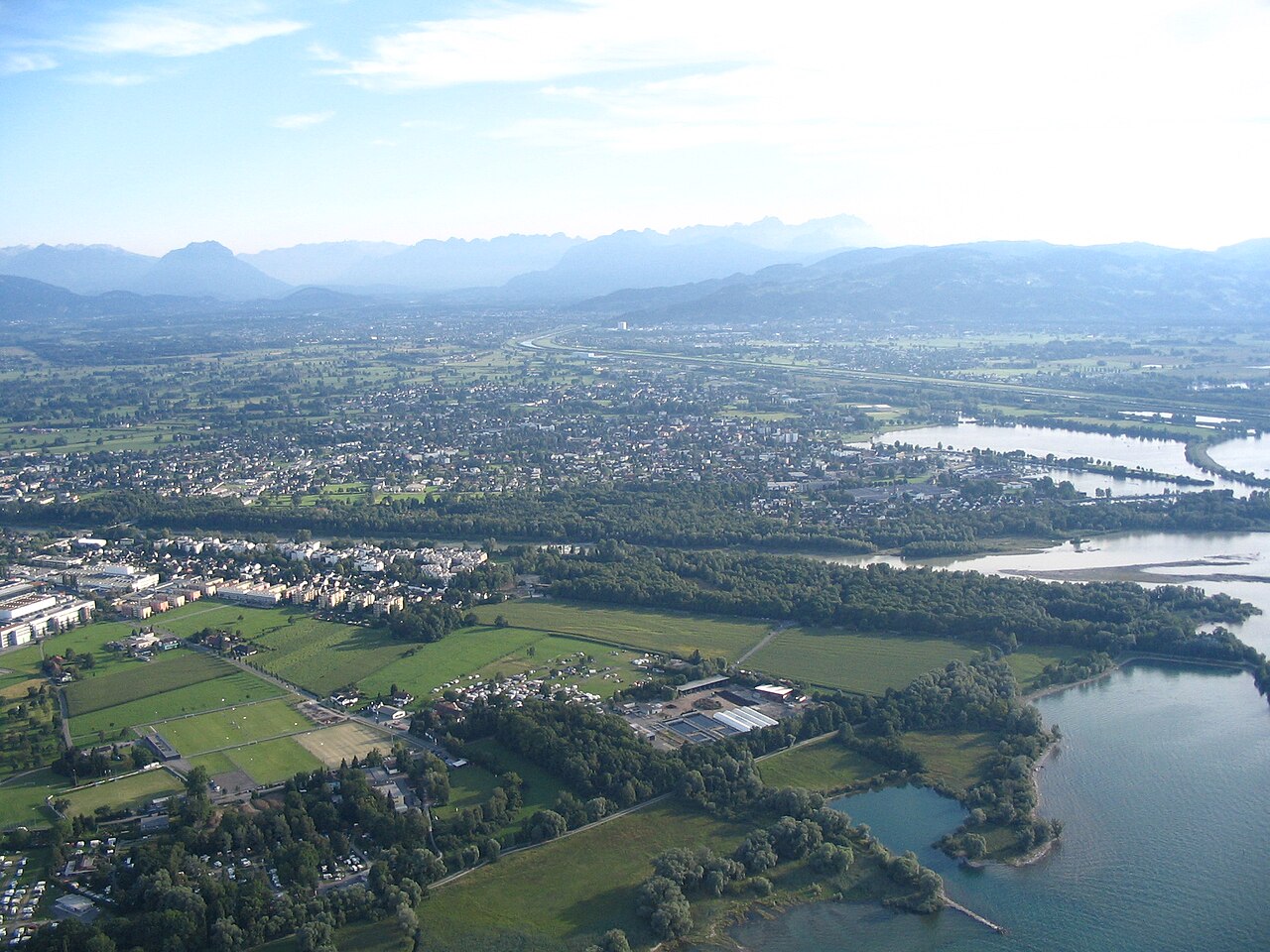


Geography and climate
Hard lies near the Rhine delta at the eastern end of Lake Constance. Its position on the lake gives the locality a climate moderated by open water, with milder winters and cooler summers compared with inland valleys. From the shore there are panoramic views toward the lake and, on clear days, the alpine silhouette to the south. Nearby wetlands and river channels form important local habitats and are accessible to walkers and birdwatchers.
History
The site of the present town has been settled since medieval times as part of regional trade and agriculture around the lake. Over centuries the community evolved from small farming and fishing hamlets to a more urbanised municipality during the 19th and 20th centuries, when improved transport, industrial activity and tourism along Lake Constance encouraged growth. Local architecture reflects both traditional Vorarlberg styles and later residential development.
Economy, transport and services
Hard's economy is mixed: it supports small and medium-sized enterprises, light manufacturing, retail and tourism linked to the lakeshore. A marina and promenades attract seasonal visitors for sailing, swimming and cycling. The town is well connected by regional roads and public buses; nearby rail and ferry connections provide links across the lake and to neighbouring countries. Many residents commute to larger towns in the area for work and education.
Notable features and distinctions
- Location on Lake Constance offers recreational and ecological value, with opportunities for boating and nature observation.
- Part of Vorarlberg, a region that shares cultural ties and dialects more closely with neighbouring Switzerland and Bavaria than with eastern Austria.
- Proximity to cross-border transport routes creates a transnational economic and social environment.
For practical information about municipal services, events and visitor facilities consult the town's official sources or regional tourism materials. The area is of interest to those studying lakeshore communities, cross-border regions, and Alpine foreland landscapes. Additional regional context is available from district and state resources: local administrative information.
Town page • Country overview • State information • Regional links • Lake Constance resources
Related articles
Author
AlegsaOnline.com Hard, Austria Leandro Alegsa
URL: https://en.alegsaonline.com/art/42392