
Hans Sloane (1660–1753) — Physician, naturalist and collector
Sir Hans Sloane was an Ulster-Scot physician and collector whose vast cabinet of specimens and books was acquired for the nation and formed the foundation of the British Museum and later institutions.
Overview
Sir Hans Sloane is commonly recorded as born on 16 April 1660 and dying on 11 January 1753. He trained and practised as a physician in London, pursued natural history with persistent attention to plants, animals and medical substances, and built one of the largest private collections of his time. His name is most often associated with the transformation of private collecting into public cultural and scientific institutions.
Image gallery
10 Images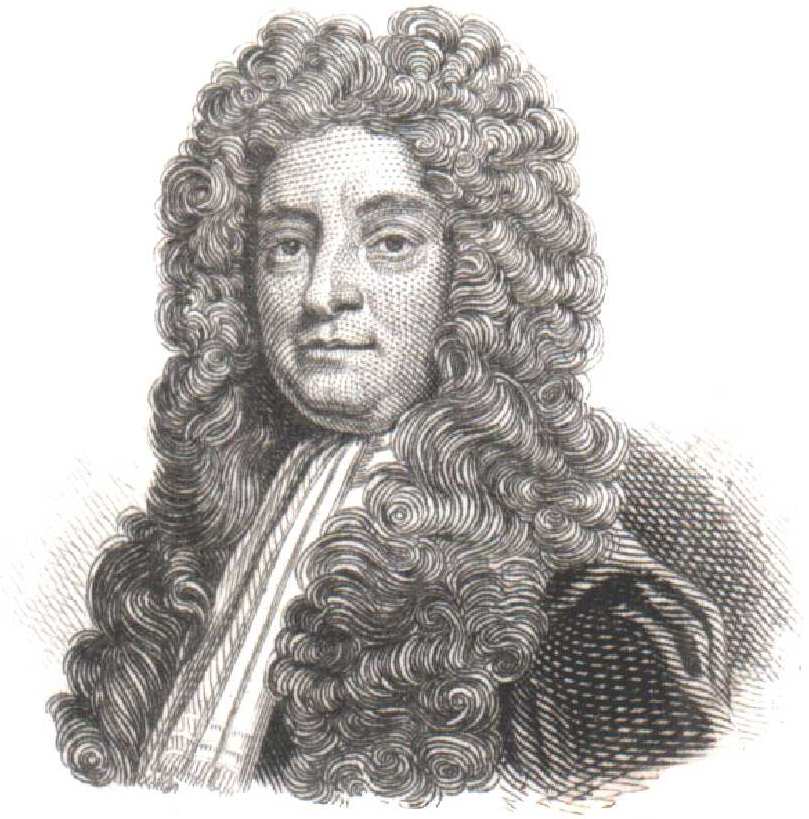


Early life and travels
Of Ulster-Scot origin, Sloane undertook medical training and travel that shaped his interests. In the late 1680s he visited the Caribbean where he recorded observations of local flora, fauna and remedies. These experiences and the specimens he acquired abroad contributed significantly to his later collections and to contemporary knowledge of tropical natural history.
Medical career and learned societies
Sloane combined medical practice with wide intellectual engagement. He held prominent offices in the medical community, maintained extensive correspondence with other naturalists, and occupied leading roles in learned circles of his day, including serving as President of the Royal Society. His networks helped him assemble and systematize material from many parts of the world.
Collections and public legacy
Over decades Sloane accumulated books, manuscripts, botanical and zoological specimens, coins, antiquities and ethnographic objects. In 1753 arrangements were made for the state to acquire this assemblage: he is commonly said to have donated his collection to the nation and to the British authorities. That transfer provided the legal and practical foundation for the British Museum, and parts of the material later became central to national natural history and library holdings.
Contents, significance and debate
- Printed books and manuscripts on medicine, travel and natural history;
- Herbarium specimens, animal preparations and mineral collections;
- Coins, antiquities and ethnographic objects gathered through European and colonial networks.
The collection offered new opportunities for comparative research and public display. In recent scholarship and public debate, the origins of many items—collected during colonial expansion—have prompted discussion about provenance, ethics and the histories of museum collections.
Cultural notes
Sloane is widely credited with popularizing a preparation of cocoa mixed with milk and sugar that influenced later household and commercial chocolate, a contribution often referenced in histories of confectionery and consumption (milk chocolate). He is also commemorated in London place names: for example, Sloane Square recalls his local associations and the social imprint of his legacy.
Enduring influence
Through his collecting, publication of observations and institutional bequest, Sloane helped shape practices of natural history, bibliography and public display. His name persists in institutional histories, museum catalogues and ongoing conversations about the responsibilities of collections assembled in an earlier imperial era.
Related articles
Author
AlegsaOnline.com Hans Sloane (1660–1753) — Physician, naturalist and collector Leandro Alegsa
URL: https://en.alegsaonline.com/art/42291