
Hans Verhagen (1939–2020): Dutch poet, journalist, painter and filmmaker
Dutch poet, journalist, painter and filmmaker Hans Verhagen (1939–2020) blended humour and daring in a multidisciplinary career. He received the P. C. Hooft Award in 2009 for his poetic innovation.
Overview
Hans Verhagen (born 3 March 1939 in Vlissingen, Netherlands; died 10 April 2020 in Amsterdam) was a multifaceted figure in Dutch letters and the visual arts. He worked as a journalist, published poetry, produced paintings and made films. Over several decades he became known for a voice that combined playfulness with social awareness.
Image gallery
2 Images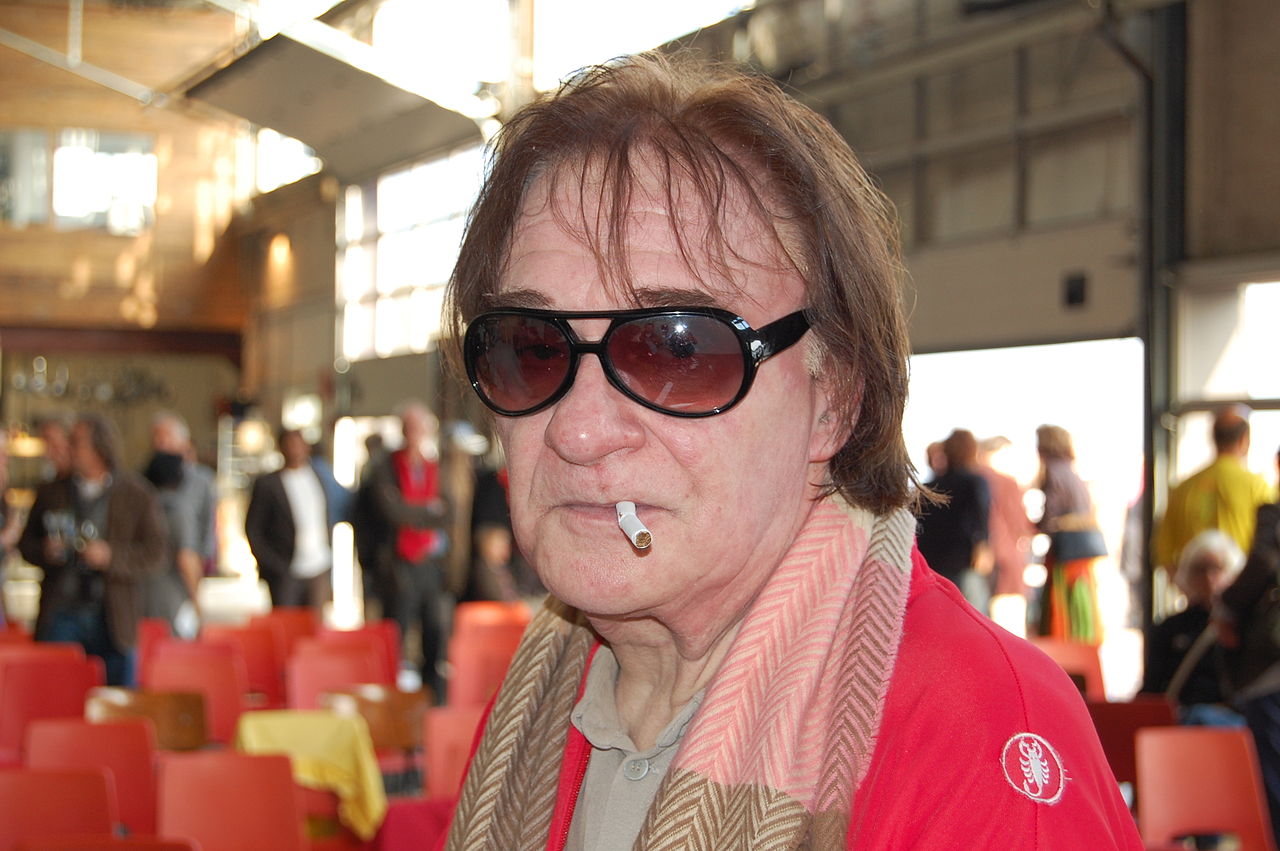

Career and main activities
Verhagen's professional life crossed genres and media. He worked in journalism while developing a parallel practice as a poet and visual artist. His output included collections of poems, exhibitions of paintings and short cinematic projects. Rather than focusing on a single form, he frequently moved between writing, image-making and film, treating each medium as part of a wider creative practice.
Style and themes
Readers and critics have noted Verhagen's distinctive mix of humour, formal inventiveness and engagement with contemporary life. The committee awarding him the P. C. Hooft Award praised him "for his humour, his engagement, his poetic daring and whimsy." His work often balances irony and affection, using playful language and striking images to address both private moments and broader social concerns.
Awards, reception and legacy
In 2009 Verhagen received the P. C. Hooft Award, one of the Netherlands' most prestigious literary honours, recognizing his sustained contribution to Dutch literature. He is remembered as a creative figure who bridged disciplines and influenced later generations of poets and artists. His books and artworks remain part of discussions about postwar Dutch poetry and multidisciplinary practice.
Notable facts
- Born in Vlissingen and active in the Dutch cultural scene for decades.
- Worked across journalism, poetry, painting and film.
- Recipient of the P. C. Hooft Award in 2009 for his inventive and engaged poetry.
Though he did not confine himself to one recognisable school or manifesto, Hans Verhagen's career illustrates how a single creative impulse can find expression in many forms, leaving a varied body of work that continues to be read and exhibited.
Related articles
Author
AlegsaOnline.com Hans Verhagen (1939–2020): Dutch poet, journalist, painter and filmmaker Leandro Alegsa
URL: https://en.alegsaonline.com/art/42298