
Hans Eysenck: German‑born British Psychologist and Personality Theorist
Hans Eysenck (1916–1997) was a prominent, influential and controversial psychologist known for factor‑analytic personality theory, behaviorist approaches to therapy, the EPQ, and critiques of psychoanalysis.
Overview
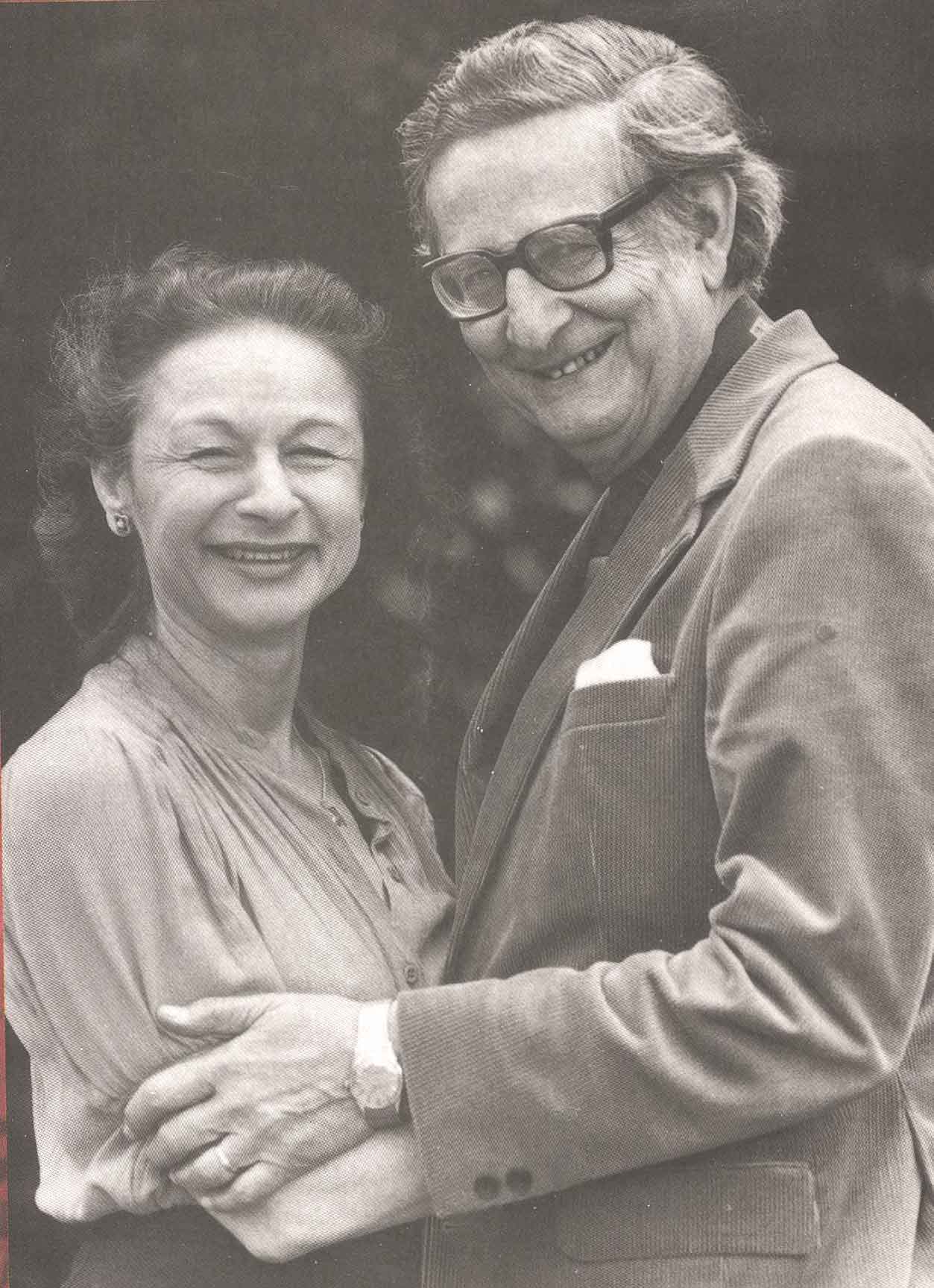
Hans J. Eysenck (1916–1997) was a German‑born British psychologist who became one of the most influential figures in 20th‑century personality research. Trained in experimental and clinical methods, he championed an empirical, statistical approach to psychology and was a prominent advocate of behaviourist ideas. He was also an outspoken critic of Freudian psychoanalysis and wrote several accessible books aimed at both specialists and the general public. For a short biographical introduction see further reading.
Image gallery
3 Images

Major contributions
Eysenck is best known for his trait model of personality and for developing standardized questionnaires to measure traits. His theory emphasized broad dimensions—originally extraversion and neuroticism, later extended to include psychoticism—often summarized as the PEN model. He relied heavily on factor analysis and on psychometric instruments such as the Eysenck Personality Inventory (EPI) and the Eysenck Personality Questionnaire (EPQ), which have been widely used in research and clinical screening.
Career, methods and applications
During his career he promoted behaviour therapy and experimental methods for treating anxiety and other disorders, arguing that observable learning mechanisms should replace untestable psychoanalytic formulations. He published both technical works and popular books on personality, intelligence, crime, and psychotherapy. Selected topics he addressed include the biological bases of personality, the heritability of traits assessed with twin studies, and behavioral treatments for neurotic disorders. He influenced generations of researchers and clinicians by emphasizing measurement, replication and statistical analysis; for summaries of his methodological stance see introductory sources.
Controversies and legacy
Eysenck's work had a mixed reception: many praised his rigor and productivity, while others criticized his conclusions and interpretation of genetic evidence. Some of his later writings—particularly on intelligence, race, and the biological roots of behaviour—provoked strong debate and sustained critical scrutiny. After his death, a number of his publications were re‑examined and questions were raised about aspects of data reporting and interpretation. Today he is remembered both for major advances in personality measurement and for the contentious debates his claims generated.
Selected works and notable facts
- Major books and reviews that popularized his views and criticized psychoanalysis.
- Development of the EPI and EPQ personality instruments used in research and clinical contexts.
- Influence on behaviour therapy and on empirical, measurement‑based psychology.
Note: Eysenck remains a central, debated figure: admired for methodological contributions and productivity, and criticized for certain interpretations and controversial claims. Readers seeking more detail can consult specialized histories and critical appraisals.
Related articles
Author
AlegsaOnline.com Hans Eysenck: German‑born British Psychologist and Personality Theorist Leandro Alegsa
URL: https://en.alegsaonline.com/art/42258