
Hangar: Structure, Types, and Uses for Aircraft Storage and Maintenance
A hangar is a sheltered building for storing and servicing aircraft. This article explains construction, common types, historical development, operational uses, and safety or regulatory considerations.
Overview
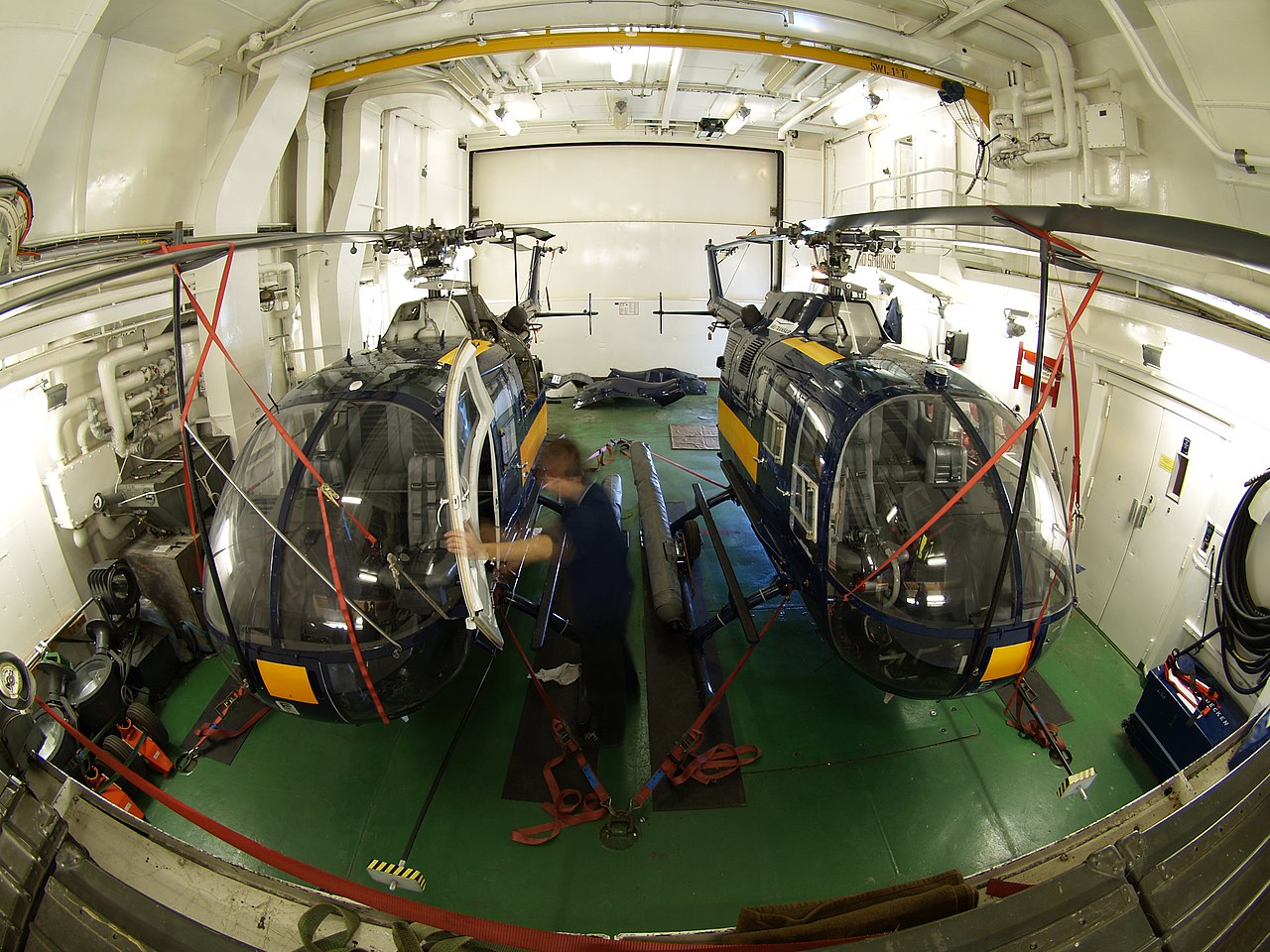
A hangar is a large enclosed structure designed to shelter one or more aircraft while they are on the ground. It functions much like a garage does for automobiles but is engineered to accommodate the size, access and maintenance needs of airplanes, helicopters or other flying machines. Primary goals are protection from the elements, support for routine servicing, and secure storage.
Image gallery
10 Images





Construction and characteristics
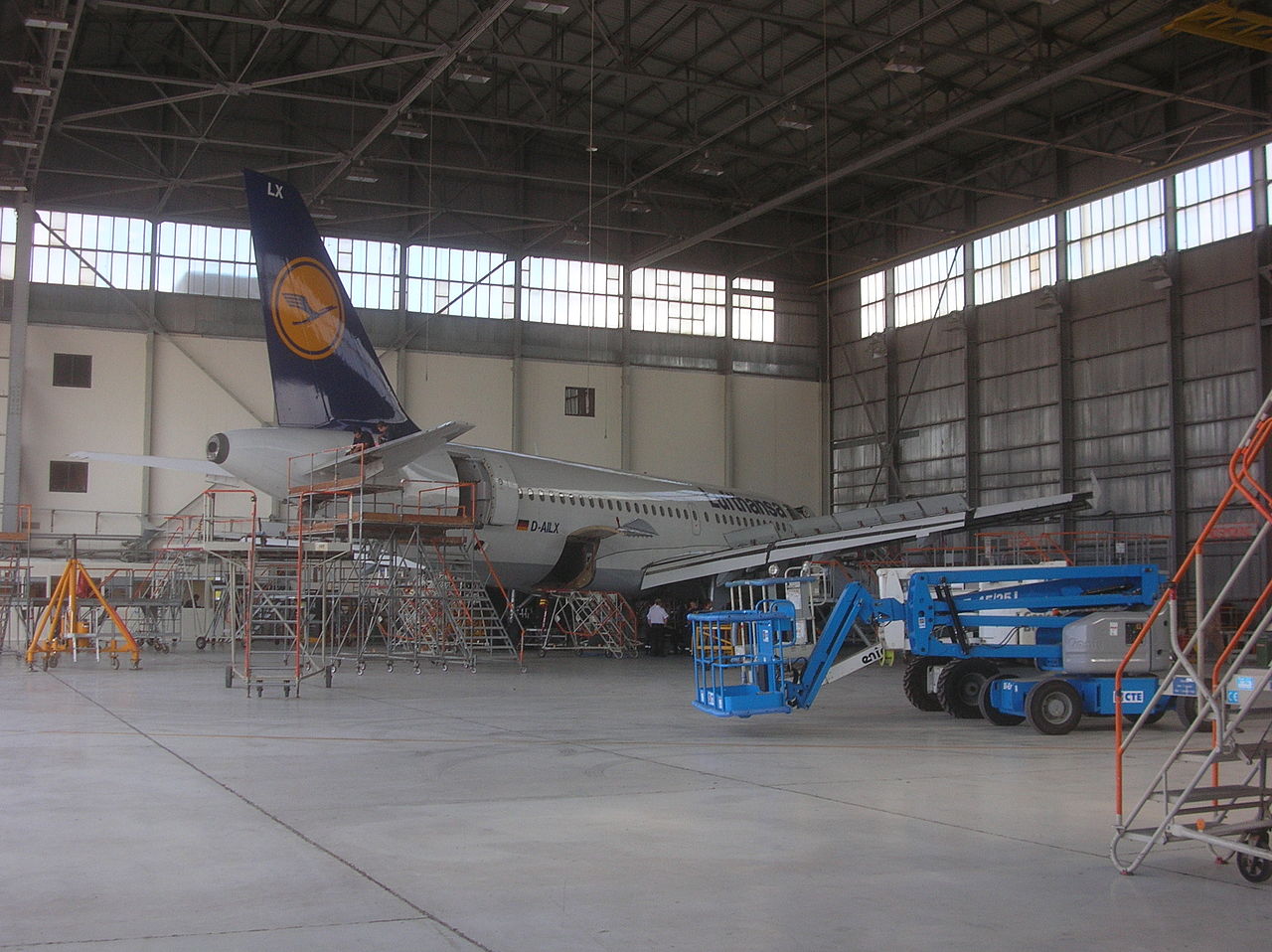
Hangars vary from simple, prefabricated metal buildings to massive concrete and steel complexes. Common features include wide-span roofs, large sliding or folding doors, high ceilings, and reinforced floors to bear concentrated landing gear loads. Materials often used are steel, aluminum, timber and concrete; lightweight fabric or membrane hangars also exist for temporary or economical shelter. Many hangars include lighting, power, fire-suppression systems and environmental controls for corrosion prevention.
Types and configurations
- T-hangars: Individual closed bays that maximize space for small private aircraft.
- Maintenance hangars: Larger buildings with cranes and heavy equipment for inspections and repairs.
- Portable and fabric hangars: Quickly erected structures for short-term use or remote operations.
- Military and commercial hangars: Expansive facilities designed to house multiple large aircraft and support intense operational tempo.
History and development
Early hangars appeared alongside the first powered flights and airship stations, evolving rapidly through the 20th century as aircraft grew in size and complexity. Military requirements and commercial aviation expansion drove standardization of designs and the adoption of large clear-span roofs and heavy-duty doors. Advances in materials and construction techniques enabled ever-larger unobstructed interiors to accommodate jet airliners and cargo planes.
Uses, operations and safety
Beyond simple storage and protection from weather, hangars are centers for inspection, routine maintenance, component replacement and preflight preparations. They provide a controlled environment that helps prevent corrosion, sun damage and contamination. Operational considerations include aircraft maneuvering space, apron layout, fuel-handling procedures, fire safety, ventilation for engine runs, and compliance with airport regulations and environmental rules.
Notable distinctions and modern trends
Hangars differ from other aviation structures by their focus on large interior volumes and unobstructed access. Modern trends include modular prefabricated units for rapid deployment, adaptive reuse of historic hangar buildings for events or museums, and energy-efficient designs with improved lighting and insulation. For airport operators and aircraft owners, choosing a hangar type balances cost, protection level, maintenance needs and available space.
For basic comparisons and practical guides on hangar options, see resources and design overviews such as industry manuals and airport planning summaries (aircraft references), or introductory analogies that compare a hangar to a garage for vehicles.
Related articles
Author
AlegsaOnline.com Hangar: Structure, Types, and Uses for Aircraft Storage and Maintenance Leandro Alegsa
URL: https://en.alegsaonline.com/art/42200