
Handbook (vade mecum): concise reference, history, types, and uses
A handbook is a compact reference designed for quick consultation. This article explains what handbooks are, their characteristics, history, common types, and how they differ from manuals and guides.
Overview
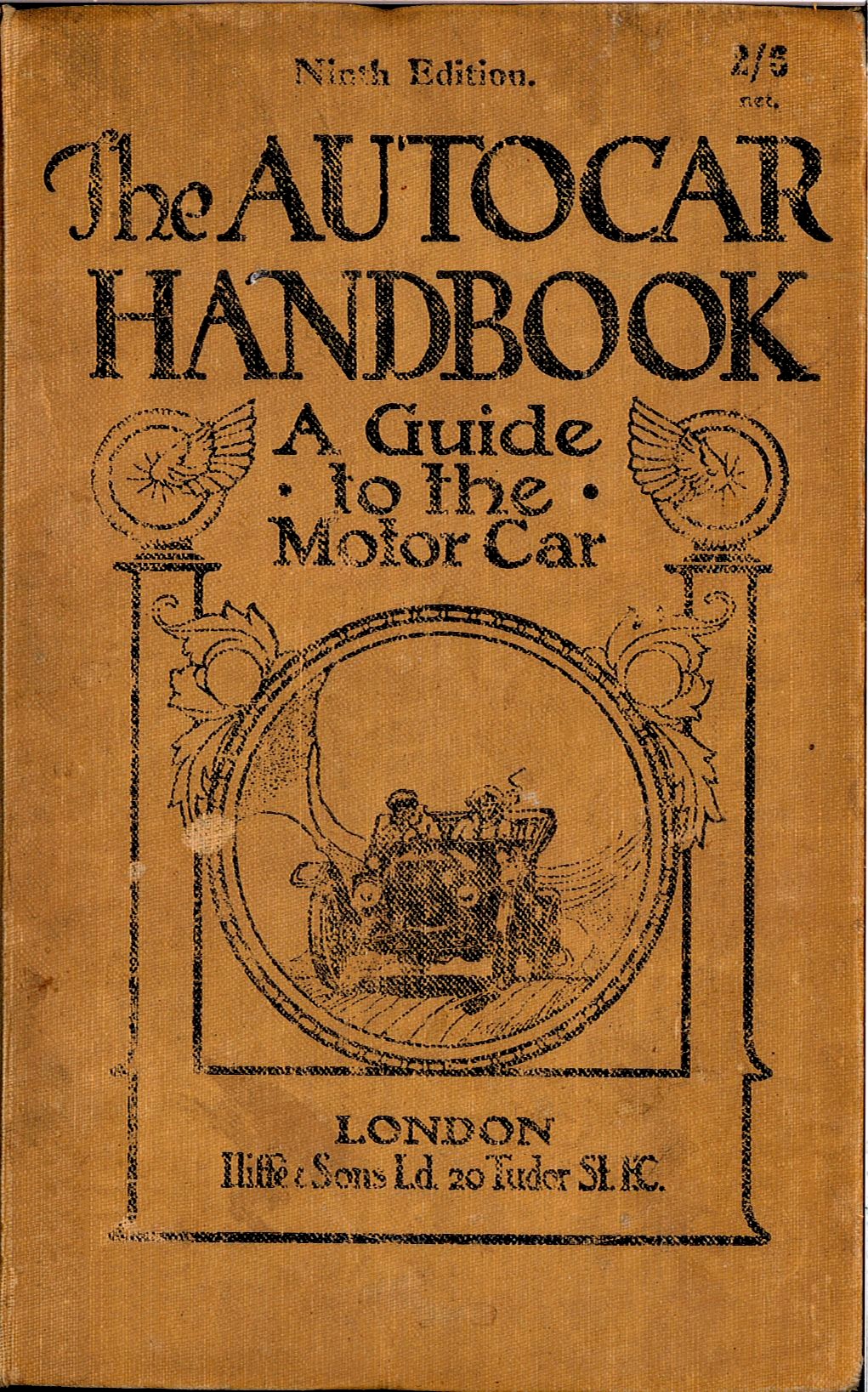
A handbook is a compact reference work intended for quick consultation rather than continuous reading. Traditionally a small, portable book — sometimes called a vade mecum — a handbook summarizes essential information, rules, procedures, or facts on a particular subject so the reader can find answers rapidly. Modern handbooks may appear as printed pocket volumes or as digital files and apps.
Image gallery
2 Images
Characteristics and structure
Handbooks share several practical features: concise entries, clear organization (alphabetical, topical, or procedural), cross-references, and indexes or tables for rapid lookup. They emphasize usability over exhaustive scholarship and often include checklists, quick-reference charts, sample forms, and concise definitions. A handbook is distinct from a textbook in that it prioritizes ease of access and task-oriented content.
Types and examples
- Style and citation handbooks (for example, MLA Handbook), which set formatting rules for writing and documentation.
- Technical handbooks that summarize formulas, standards, and practices in fields such as engineering or medicine.
- Field or pocket handbooks designed to be carried on site for trades, first responders, or outdoor activities; these recall the traditional pocket book form.
- Organizational or employee handbooks that outline policies, procedures, and benefits for a workplace.
History and development
The idea of a compact guide stretches back centuries: scholars and practitioners have long compiled concise manuals for everyday use. Over time handbooks evolved from handwritten notebooks and printed pamphlets into standardized printed volumes and now into searchable electronic resources. Their persistent value lies in distilling complex subjects into immediately usable information, bridging the gap between deep reference works and practical needs.
Uses, advantages, and distinctions
Handbooks are used for on-the-job reference, quick learning, troubleshooting, and ensuring consistency (for example, in citation, procedure, or safety practice). They differ from manuals and encyclopedias by being more concise and task-oriented: a manual may explain step-by-step operations, while an encyclopedia provides in-depth articles; a handbook focuses on accessible rules and templates. For broader context or exhaustive background a handbook will often point to longer reference works such as a reference book.
Practical considerations
When choosing or compiling a handbook, clarity, currency, and organization are essential. Effective handbooks use headings, numbered lists, tables, and clear examples to speed comprehension. In the digital era, searchable indexes, hyperlinks, and updates have expanded the handbook form, but the core aim remains the same: reliable, compact guidance where quick answers matter.
Related articles
Author
AlegsaOnline.com Handbook (vade mecum): concise reference, history, types, and uses Leandro Alegsa
URL: https://en.alegsaonline.com/art/42175