
Hancock County, Illinois
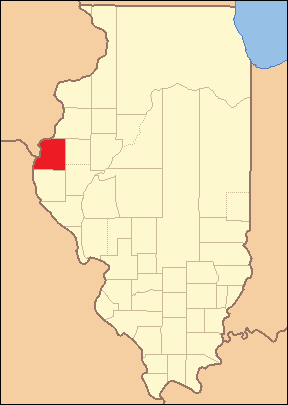
County in western Illinois along the Mississippi River. Rural and agricultural, founded in 1825 and named for John Hancock; county seat Carthage; includes historic towns such as Nauvoo and Hamilton.
Overview
Hancock County lies in western Illinois, along the Mississippi River. It is a predominantly rural county with an economy centered on agriculture, small towns and local services. According to the 2010 census the county had 19,104 residents; population trends since then have followed the patterns typical of many Midwestern rural counties.
Image gallery
2 Images
Geography and communities
The county occupies rolling farmland and river lowlands. Its landscape supports large corn and soybean operations, pasture for livestock and patches of woodland. The county seat is Carthage, a small city that houses the county courthouse and many local institutions. Other notable communities include Carthage (repeated for local reference), Hamilton, Warsaw and the historically important river town of Nauvoo.
History and name
Hancock County was established in 1825 and was named in honor of John Hancock, a leading patriot whose prominent signature appears on the Declaration of Independence. Settlement and development followed patterns of westward migration in the early 19th century, with agriculture shaping the county’s economy and community layout.
Economy and local life
Agriculture remains the dominant industry, with family farms and larger operations producing grain, oilseeds and livestock. Small manufacturing, retail, education and health services support towns and outlying areas. Community life centers on local schools, churches, and county fairs, reflecting long-established rural traditions.
Notable sites and civic institutions
- Carthage courthouse and municipal offices (county governance).
- Historic sites in Nauvoo related to 19th‑century settlement and river commerce.
- Carthage Jail, associated with the 1844 death of Mormon leader Joseph Smith, which draws visitors for historical reasons.
Local government responsibilities include road maintenance, public safety, courts and land records; many services are administered from the county seat. For basic civic and statistical references consult county or state resources and local historical societies for more detailed information about Hancock County’s communities and past.
Further reading and official pages: state resources, local county pages and historical archives provide up-to-date data and visitor information. Additional context and maps are often available through regional planning or tourism sites (biographical and historical resources, county guides).
Related articles
Author
AlegsaOnline.com Hancock County, Illinois Leandro Alegsa
URL: https://en.alegsaonline.com/art/42153
Sources
- quickfacts.census.gov : "State & County QuickFacts"
- naco.org : "Find a County"
- books.google.com : The Origin of Certain Place Names in the United States