
Carthage, Illinois: county seat and historic community
Carthage is the county seat of Hancock County, Illinois, a small historic city known for the 19th‑century Carthage Jail and for serving as a local center for county government, rural services, and heritage tourism.
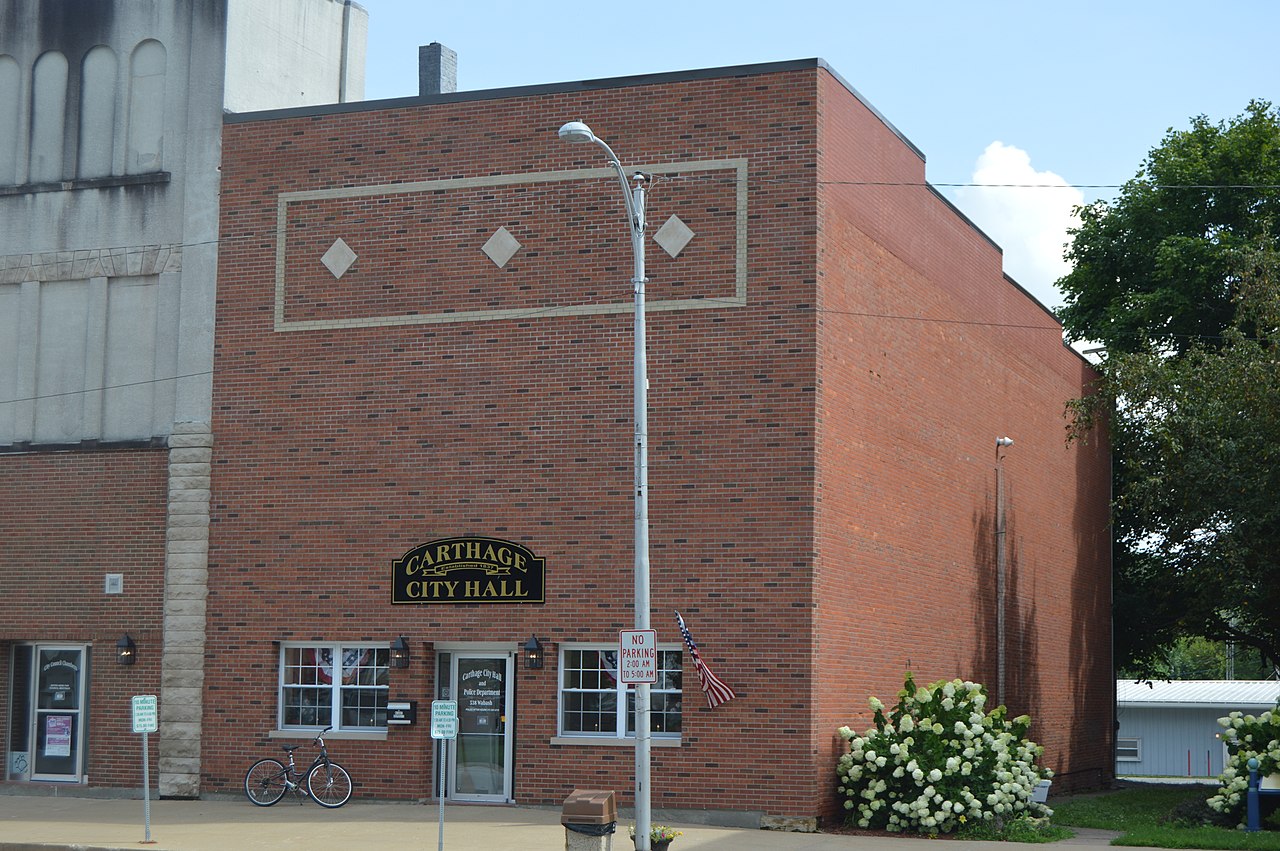
Carthage is a small city in western Illinois. It serves as the county seat of Hancock County and is located in the state of Illinois in the United States. The city functions as a compact local center where county government, basic retail, and community services support surrounding agricultural areas.
Image gallery
3 Images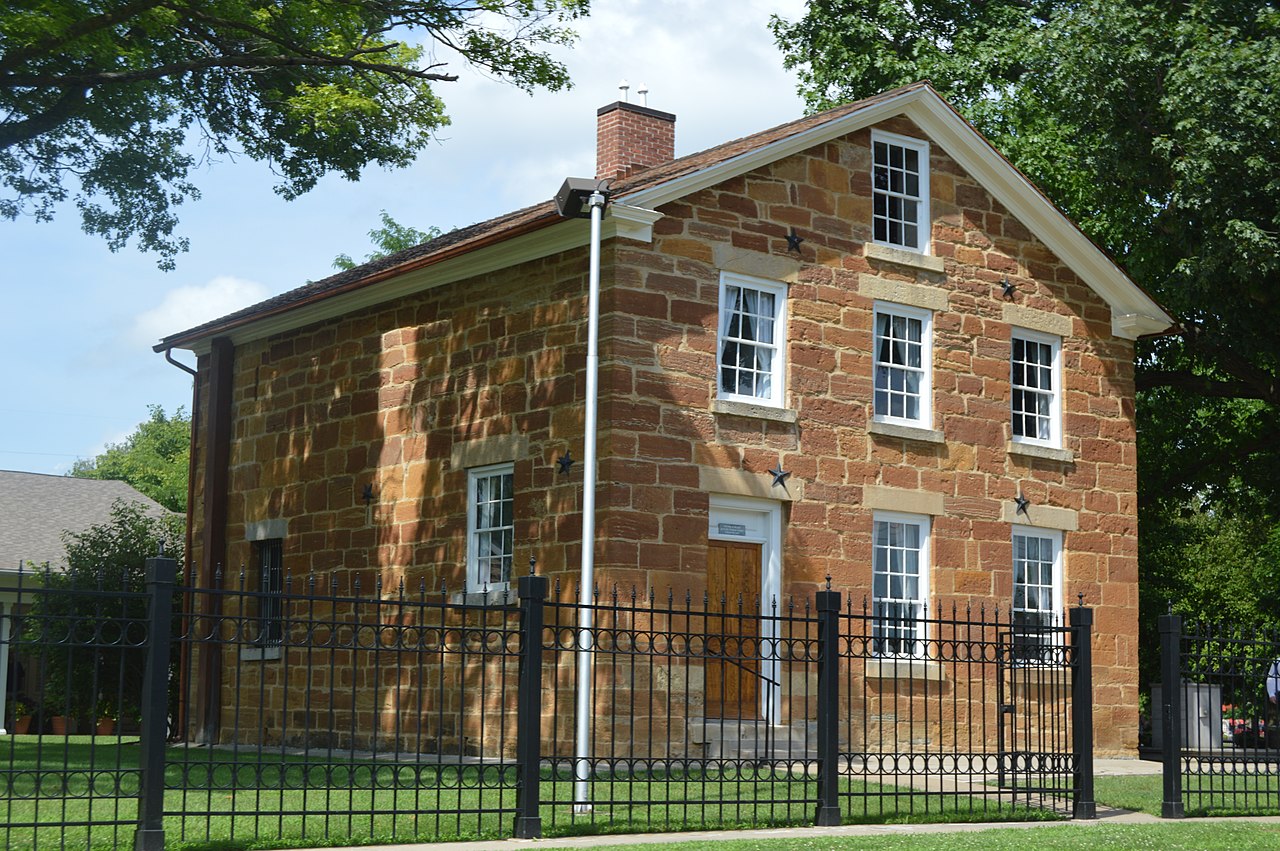
Geography and economy
Carthage lies in a predominantly agricultural region of Illinois and is connected to neighboring towns by regional roads and state highways. The local economy is dominated by government services, small businesses, education, health care, and enterprises that serve farms and rural residents. The downtown area centers on a courthouse square and municipal buildings, while residential neighborhoods and parks extend outward.
History and significance
The city developed in the 19th century as settlement moved west across Illinois and was established as the county seat. Carthage is widely known beyond the region because of the Carthage Jail, where the Latter Day Saint leader Joseph Smith and his brother Hyrum were killed in 1844. That event and the preserved jail site have made Carthage a destination for visitors interested in American religious history and 19th‑century events.
Government, landmarks, and institutions
As county seat, Carthage hosts administrative offices, courts, and public records for Hancock County. Notable local landmarks include the historic jail site and courthouse area, community parks, and traditional downtown buildings. Public institutions include primary and secondary schools, a public library, churches of several denominations, and civic organizations that coordinate local events and services.
Community life and transportation
Community life in Carthage reflects small‑city and rural Midwestern patterns: civic clubs, volunteer fire and rescue services, seasonal festivals, and local sports are important. The city is served by regional transportation routes for residents and farm traffic, and visitors arrive for both everyday business and heritage tourism related to the city's 19th‑century history.
Notable facts
- County government and courthouse functions anchor downtown activity.
- The Carthage Jail site is a focal point for historical study and remembrance.
- Local life is shaped by agriculture, small businesses, schools, and civic organizations.
Carthage exemplifies a small American county seat where local governance, historical significance, and rural service needs intersect. Visitors encounter everyday community life alongside places of national historical interest when exploring the city and its past.
Related articles
Author
AlegsaOnline.com Carthage, Illinois: county seat and historic community Leandro Alegsa
URL: https://en.alegsaonline.com/art/17330