
Halloy (Pas-de-Calais)
Halloy is a small rural commune in the Pas-de-Calais department of northern France, with agricultural surroundings, local heritage and ties to the historic Nord‑Pas‑de‑Calais region and modern Hauts‑de‑France.
Overview
Halloy is a small rural commune located in the department of Pas-de-Calais in northern France. It is one of many modest villages that make up the patchwork of agricultural communities in this part of the country. Halloy functions as a municipal unit with local governance typical of French communes.
Image gallery
2 Images
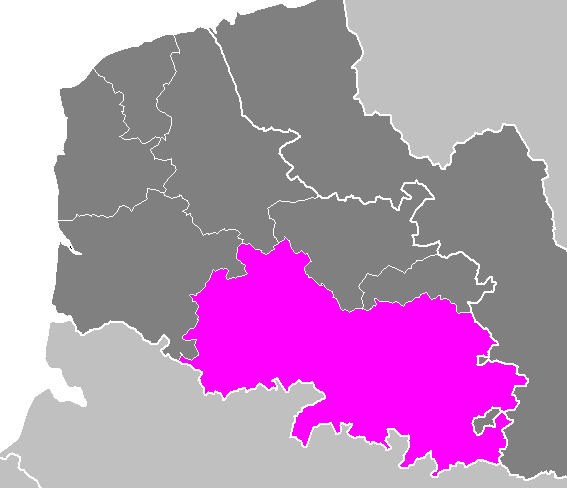
Geography and landscape
The village sits within the low-lying countryside of the region historically known as Nord‑Pas‑de‑Calais and now administered within the larger Hauts‑de‑France region. Surrounding land is primarily farmland, meadows and small woodlots, reflecting the area's long association with mixed agriculture and rural settlement patterns.
History and administration
Like many communes in Pas‑de‑Calais, Halloy likely developed around medieval agricultural hamlets and a parish core; its development has been shaped by regional administrative reforms and local traditions. Contemporary responsibilities and services are provided through the municipal council and in cooperation with departmental authorities; further information on departmental administration can be found via departmental resources and broader regional context is available at regional information.
Local life, economy and landmarks
The local economy is dominated by farming, small-scale trades and services that support residents. Public amenities tend to be modest; typical features include a village church or chapel, scattered farms and a community hall or meeting place. Halloy's rural character makes it representative of many small communes that preserve agricultural landscapes and local customs.
- Primary land uses: agriculture and pasture
- Community features: church, village road network, farmsteads
- Access: regional roads connecting to nearby towns and services
Significance and distinctions
Halloy's value lies in its representation of northern France's rural heritage — small-scale settlement, seasonal rhythms of farming and a close-knit local community. For visitors or researchers interested in rural French communes, Halloy illustrates the continuity of countryside life within the administrative framework of Pas‑de‑Calais and the historic Nord‑Pas‑de‑Calais area.
Related articles
Author
AlegsaOnline.com Halloy (Pas-de-Calais) Leandro Alegsa
URL: https://en.alegsaonline.com/art/41946