
Halim El-Dabh: Egyptian‑American Composer and Pioneer of Electronic Music
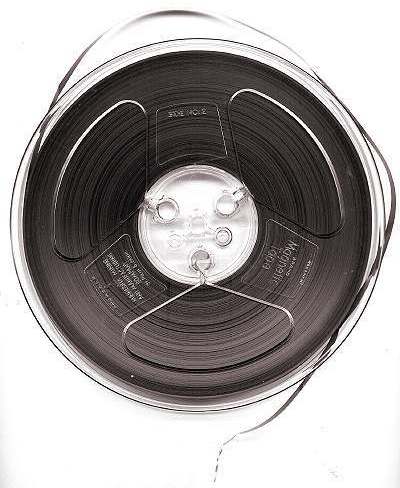
Composer, performer, and ethnomusicologist Halim El‑Dabh (1921–2017) blended Egyptian traditional music with early electronic techniques and tape manipulation, and is recognized as an influential pioneer of tape music.
Overview
Halim El‑Dabh (1921–2017) was an Egyptian‑born American composer, performer, ethnomusicologist, and educator whose work bridged traditional Middle Eastern music and Western avant‑garde practice. Over a career spanning many decades he produced acoustic and electronic works, made field recordings of ritual and folk music, and taught and lectured internationally. He is widely credited with creating one of the earliest examples of electronically manipulated tape music in the mid‑1940s, a contribution that places him among the pioneers of electronic composition.
Image gallery
2 Images
Musical style and contributions
El‑Dabh's music combined elements from several traditions. He drew on Egyptian folk and ritual sources—rhythms, vocal techniques, and melodic modes—while experimenting with Western compositional forms and new technologies. His approach often mixes live instruments and voices with altered recorded sound, tape manipulation, and then‑emerging electronic processes. Critics and historians highlight the originality of his timbral experiments and his insistence on connecting contemporary techniques to cultural roots.
Early life and development
Born in Egypt, El‑Dabh studied classical forms and collected traditional material as part of his early musical formation. In the 1940s he began experimenting with recorded sound, producing manipulated audio based on field recordings of ritual songs and ceremonies. After relocating to the United States he continued to compose, research, and teach, participating in contemporary music scenes while maintaining a lifelong engagement with Middle Eastern musical heritage.
Importance and legacy
El‑Dabh is remembered for both his creative output and his role as a cultural mediator. His early tape work is often cited in histories of electronic music as an important, though sometimes overlooked, milestone. As an ethnomusicologist he documented and preserved repertories that might otherwise have received little attention in Western scholarship. His career influenced composers, performers, and scholars interested in blending technology with vernacular traditions.
Characteristics and notable facts
- Known for combining field recordings of folk and ritual music with studio manipulation.
- Recognized as a pioneer in electronic and tape music from the 1940s onward.
- Active as a teacher and advocate for cross‑cultural musical exchange.
- Worked across genres: concert music, staged works, and documented traditional performances.
Further reading and resources
For biographical summaries and catalogs of recordings, see general reference entries and music archives. Additional material and commentary on his work can be found through institutional and music research pages: biographical overview, selected recordings, scholarly articles, archival materials, and general references.
Related articles
Author
AlegsaOnline.com Halim El-Dabh: Egyptian‑American Composer and Pioneer of Electronic Music Leandro Alegsa
URL: https://en.alegsaonline.com/art/41897
Sources
- books.google.com : Electronic and experimental music: technology, music, and culture
- books.google.com : "The Wire, Volumes 275-280"
- books.google.com : Electronic and experimental music: technology, music, and culture