
Hachinohe: coastal city in Aomori Prefecture, Japan
Hachinohe is a regional city on the Pacific coast of Aomori Prefecture, Japan, known for its port, fishing industry (notably squid and mackerel), manufacturing zones, and transport links including the Tohoku Shinkansen.
Hachinohe is a coastal city in the southeastern corner of Aomori Prefecture on Japan's main island of Honshu. Administratively it is known as Hachinohe in English-language sources and functions as an important regional center for industry, commerce and fisheries within Aomori Prefecture and the broader Tohoku region of Japan. The city combines a substantial industrial area with one of the region's larger fishing ports, giving it a mixed economic profile that links primary and secondary sectors.
Image gallery
10 Images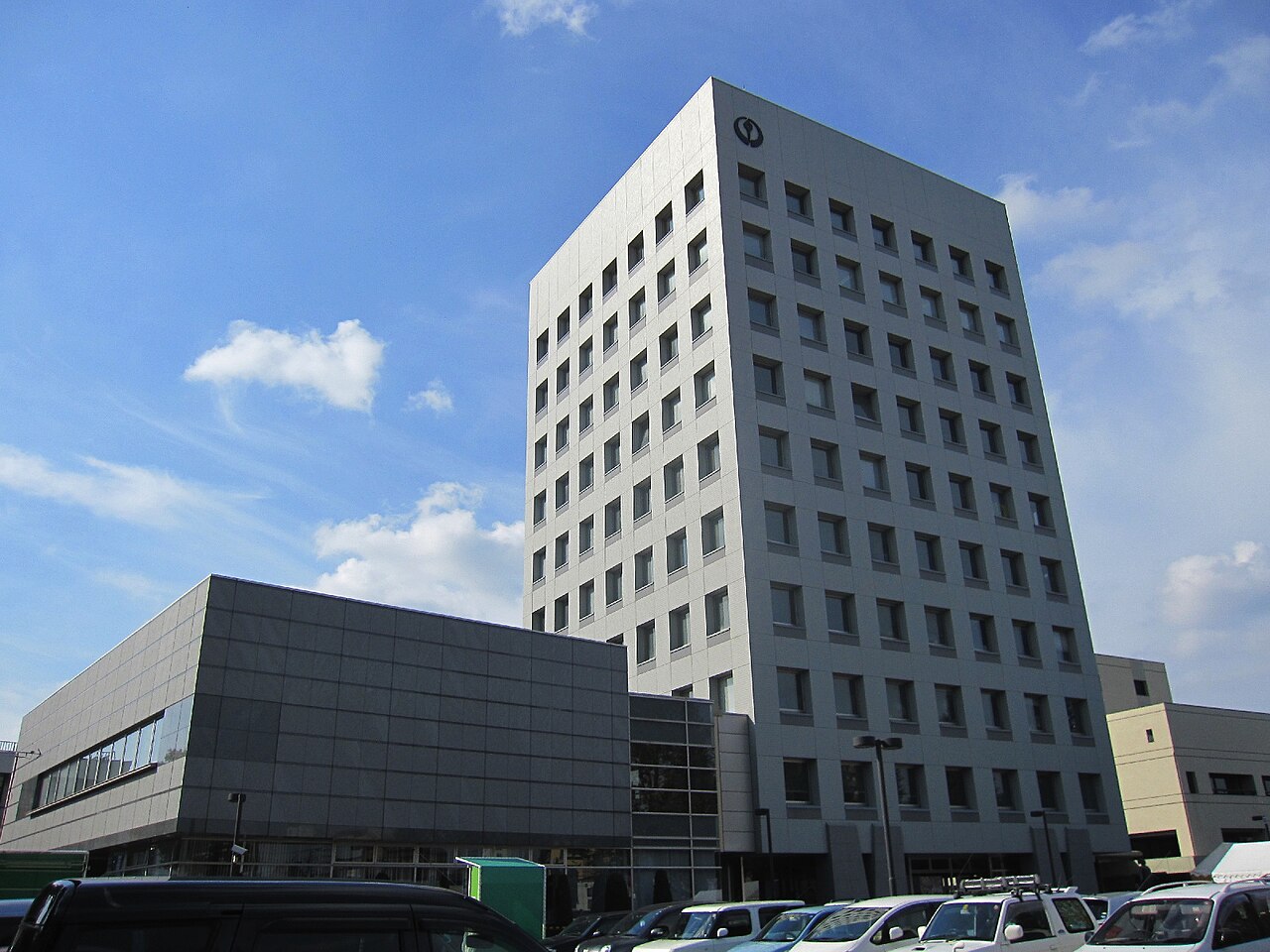


Name and historical background
The name "Hachinohe" literally means "the eighth 'he'" and reflects a medieval system of numbered local districts established during the Nanbu domain era. Those medieval administrative and military arrangements shaped settlement patterns: the place designated as the eighth district grew into a market and staging point for supplies and horses in earlier centuries. Over time Hachinohe developed into a coastal town and later expanded during the Meiji and modern periods into a municipal city with factories, docks and rail connections.
Geography and climate
Located on the Pacific coast, Hachinohe faces open ocean waters and has a shoreline of bays and inlets that support fishing and port activities. The local climate is temperate but influenced by northern latitude: summers are warm and humid, while winters are cool with snowfall more pronounced inland than on the immediate coast. Nearby rural areas include farmland and forested hills that provide a contrast to the urban and industrial districts.
Economy and industry
Hachinohe's economy combines traditional maritime pursuits with modern manufacturing. The city hosts industrial parks and plants for steel, chemicals, food processing and other goods, alongside smaller manufacturers and service-sector businesses. Fisheries remain a defining feature: Hachinohe's port handles large volumes of catch, and local processors supply seafood to domestic markets. Notably, the port is a major landing point for squid and mackerel, contributing significantly to regional seafood trade and processing capacity; see examples of local catch and processing practices at a general fisheries reference about squid.
Transport and infrastructure
Hachinohe is served by national rail and road networks that connect it to larger centers in Tohoku and beyond. The city has a station on the high-speed Tohoku Shinkansen line, and road access includes the Tohoku Expressway as well as national highways that facilitate freight and commuting. These links are important for moving industrial goods, seafood products and for enabling regional mobility.
Culture, events and notable facts
The city maintains local cultural traditions, seasonal festivals and food specialties shaped by its coastal setting and historical roots. Hachinohe is also home to educational and technical institutions that support workforce training for local industries. Distinctive features of the city include its role as a fishing hub in northern Japan, a mix of heavy and light manufacturing, and its place within the historical Nanbu administrative pattern that gave it its name.
- Major sectors: fisheries, manufacturing, services.
- Transport: Tohoku Shinkansen access, expressway connections, commercial port facilities.
- Local significance: large landings of squid and mackerel; regional industrial zones.
Related articles
Author
AlegsaOnline.com Hachinohe: coastal city in Aomori Prefecture, Japan Leandro Alegsa
URL: https://en.alegsaonline.com/art/41691
Sources
- books.google.com : Handbook to Life in Medieval and Early Modern Japan, p. 70
- hindawi.com : "Japan's Evolving Nested Municipal Hierarchy: The Race for Local Power in the 2000s,"
- hindawi.com : Table 3