
Cities of Japan: Types, Roles and Administrative Structure
An overview of Japanese cities, their legal categories, functions, history and how they differ from towns and villages within the country's local government system.
Japan’s urban localities are organized under a municipal system that distinguishes cities from towns and villages. The collective Japanese phrase shichōoson groups these municipal types; it combines the suffixes for city, town and village. For a concise introduction to the wider municipal framework, see municipalities.
Image gallery
1 Image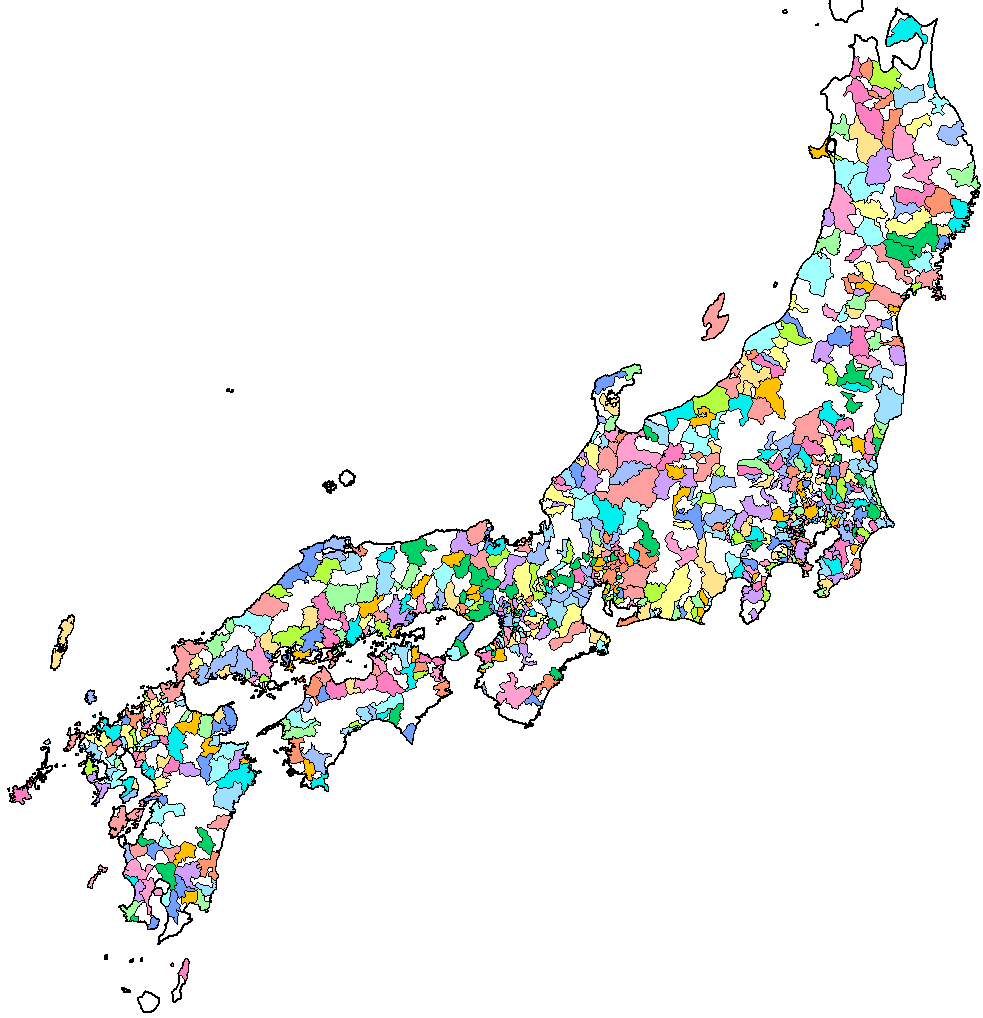
Administrative categories
Within the legal hierarchy several classes of city enjoy different authorities and responsibilities. The principal categories commonly referenced are:
- Designated cities — large cities typically with populations above 500,000 that are delegated many prefectural functions.
- Core cities — mid-sized cities generally qualifying above about 300,000 that receive an expanded set of administrative powers compared with ordinary cities. See more on core cities.
- Special cities — cities that meet lower population thresholds (often cited around 200,000) and that may take on limited additional duties; sometimes described as an intermediate category. See special cities.
Ordinary cities that do not meet these thresholds remain municipalities with standard responsibilities. Population thresholds are one key factor but legal designation and agreement with the prefectural government also determine which functions shift to the city.
Functions and practical importance
The largest cities perform many tasks normally handled by prefectural governments: local urban planning, public health oversight, some social welfare programs, and building regulation are often managed at the city level for efficiency. This devolution helps large urban areas respond rapidly to local needs and coordinate services across dense populations.
Well-known examples of large Japanese cities include Osaka, Yokohama and Nagoya, each recognized for significant economic, cultural and administrative roles within their regions. Tokyo is organized as a special metropolitan entity distinct from ordinary prefectures and cities.
Historically, Japan’s current municipal framework developed through reforms beginning in the Meiji era and was refined after World War II; the Local Autonomy legislation established clearer boundaries for local governance. More recently, municipal mergers and reclassifications—particularly during the Heisei era—have reshaped city counts and sizes, creating new opportunities and challenges for governance.
Distinguishing a city from a town or village is primarily a matter of population size and legal status, but practical differences include the scale of services offered, administrative staff and fiscal capacity. The system balances national standards with local discretion, allowing urban centers to assume greater responsibility as they grow.
Questions and answers
Q: What is the term used to refer to Japan's smallest sub-national jurisdictions?
A: The term shichoson combines suffixes which recognize the municipalities, including "city" (市, shi) "town" (町, cho) and "village" (村, son).
Q: How many people generally live in small cities in Japan?
A: Small cities generally have populations of over 30,000.
Q: Are there any defined classes or categories of big cities in Japan?
A: Yes, there are three defined classes or categories of big cities. These include designated cites with a population over 500,000; core cities with a population over 300,000; and special cities with a population over 200,000.
Q: What do the largest cities in Japan do?
A: The largest cities in Japan do many of the things normally done by prefectures.
Related articles
Author
AlegsaOnline.com Cities of Japan: Types, Roles and Administrative Structure Leandro Alegsa
URL: https://en.alegsaonline.com/art/20496
Sources
- web-japan.org : "Local self-government," p. 1
- hindawi.com : "Japan's Evolving Nested Municipal Hierarchy: The Race for Local Power in the 2000s,"
- doi.org : doi:10.1155/2011/692764
- hindawi.com : Table 1
- hindawi.com : Table 2
- hindawi.com : Table 3