
Haddam, Connecticut: River town, history, and the Connecticut Yankee site
Haddam is a small riverside town in Middlesex County, Connecticut, known for its historic villages, agriculture, the Chester–Hadlyme ferry, and the decommissioned Connecticut Yankee nuclear site.
Overview: Haddam is a low-density town on the east bank of the Connecticut River in Middlesex County. It combines small village centers, farmland and river shoreline. According to the 2010 census, the town had a population of 8,346. Haddam is part of the wider regional landscape of Connecticut and participates in river-based recreation and conservation efforts.
Image gallery
2 Images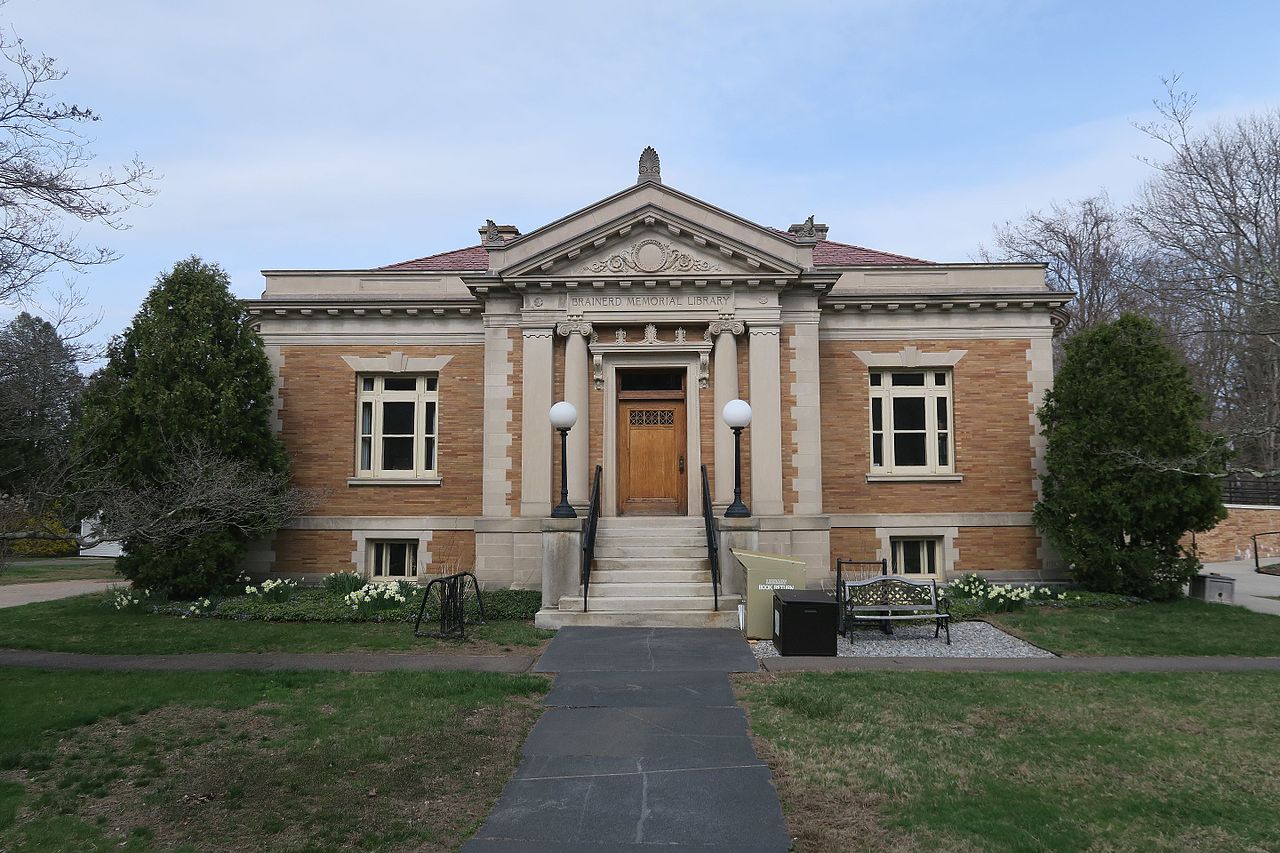
Geography and character
Haddam’s topography is typical of river towns in southern New England: a mix of wooded hills, agricultural parcels and narrow riverfront plains. The Connecticut River shapes local life and economy, providing scenic corridors and wildlife habitat. Village clusters and historic center areas host small businesses, civic buildings and churches rather than large commercial districts.
History and development
European settlement in the Haddam area dates to the 17th century; the town developed around agriculture, river trade and mills that used local streams. Over time transportation shifts and suburbanization changed land use, but many historic buildings, open space parcels and rural roads preserve the town’s colonial and 19th‑century character.
Connecticut Yankee nuclear plant and environment
Haddam was the location of the Connecticut Yankee nuclear generating station at Haddam Neck, often referred to as the Connecticut Yankee plant. That reactor was shut down and later decommissioned; the site has undergone cleanup, regulatory oversight and long‑term monitoring as part of the decommissioning process. The presence of the former plant influenced local planning and environmental review for decades.
Community life and points of interest
Local attractions emphasize the river and history. The historic Chester–Hadlyme ferry continues a centuries‑old river crossing and is a popular seasonal attraction. Haddam supports hiking, boating, fishing and birdwatching along the river and in preserved open spaces. Village festivals, small museums and local farms contribute to community identity.
Government, services and present-day notes
Haddam is governed like many New England towns with local elected boards responsible for planning, schools and public services. It retains a largely residential and agricultural character while being close enough to larger Connecticut communities for commuting. As a small town with a decommissioned industrial site and active conservation interest, Haddam balances preservation with contemporary needs in land use and public safety within the United States framework.
- Historic crossings and ferries that reflect colonial-era transportation
- Riverfront conservation and recreational access
- Legacy environmental management following power-plant decommissioning
Related articles
Author
AlegsaOnline.com Haddam, Connecticut: River town, history, and the Connecticut Yankee site Leandro Alegsa
URL: https://en.alegsaonline.com/art/41706
Sources
- connyankee.com : "Connecticut Yankee"