
Gustaf VI Adolf of Sweden (1882–1973)
Gustaf VI Adolf was King of Sweden from 1950 until 1973. A cultivated monarch, he combined ceremonial duties with a lifelong interest in archaeology, botany and the arts and was grandfather to Carl XVI Gustaf.
Gustaf VI Adolf (11 November 1882 – 15 September 1973) reigned as King of Sweden from 29 October 1950 until his death in 1973. He succeeded his father Gustaf V and was followed on the throne by his grandson, Carl XVI Gustaf. His long life spanned dramatic changes in Swedish society and in the role of constitutional monarchy.
Image gallery
10 Images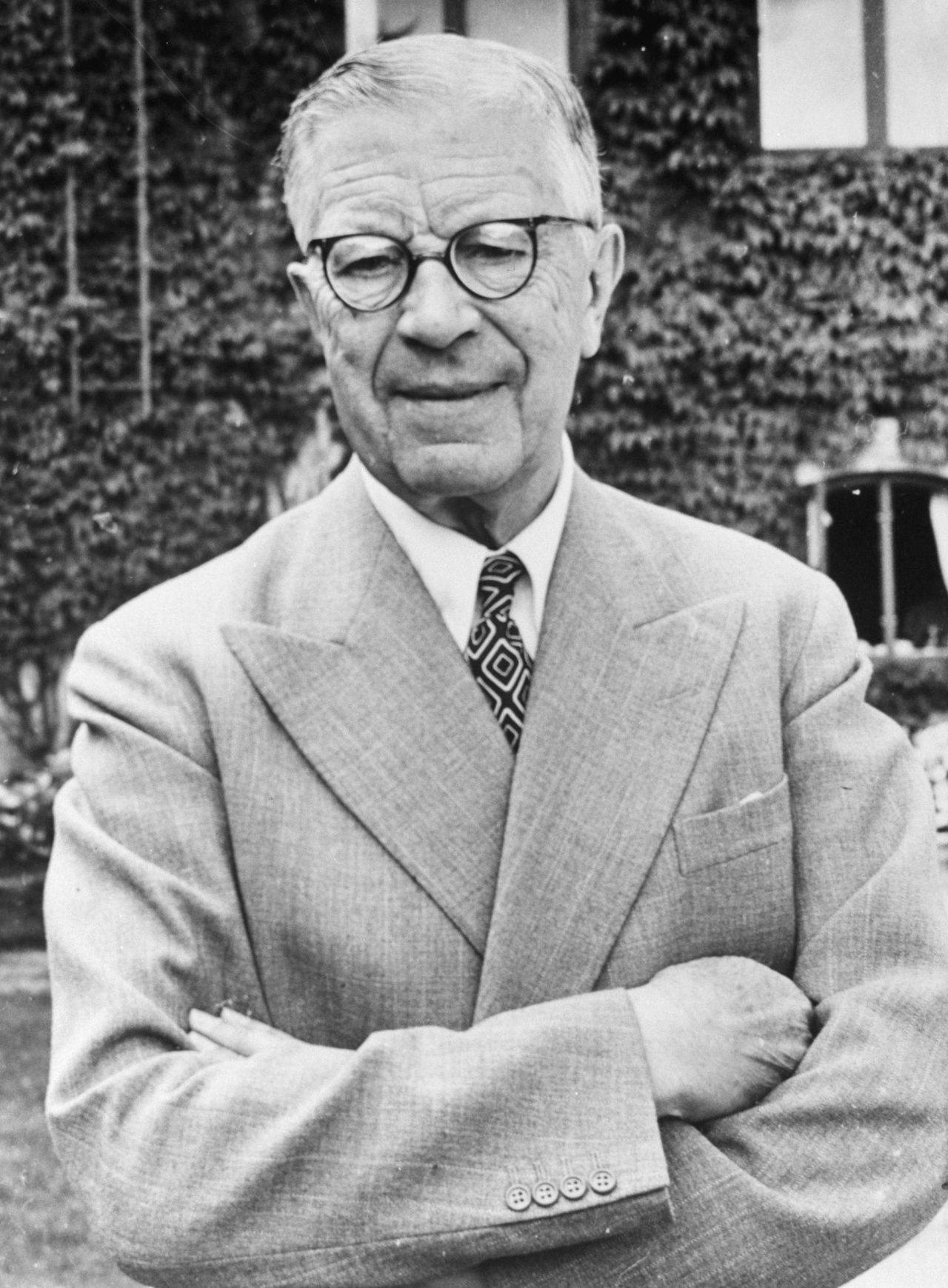



Early life and family
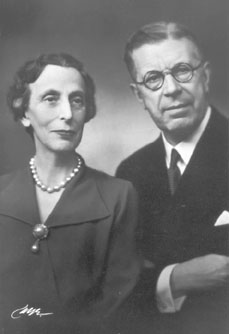
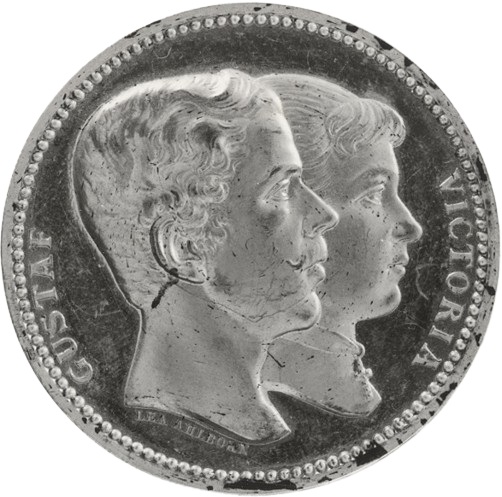
Born into the House of Bernadotte, Gustaf VI Adolf was the son of the reigning monarch and grew up in a royal milieu. He married twice and fathered children who forged dynastic links across Europe. His family ties included close relations with other Scandinavian royal houses, and his descendants continued to play prominent roles in public life.
Reign and public role
As king he performed the ceremonial and representative duties typical of a constitutional monarch. His reign covered two decades in the middle of the 20th century, a period marked by post‑war recovery and expanding welfare institutions in Sweden. He maintained the traditional functions of the crown while adapting to evolving expectations of monarchy in a democratic state.
Interests and scholarship
Gustaf VI Adolf was widely known for scholarly and cultural pursuits beyond politics. He took a serious interest in archaeology, botany and Asian art, participating in excavations and supporting museums and research. His collections and publications reflect a lifelong engagement with natural history and antiquities.
Legacy and notable facts
- Reigned from 1950 to 1973, bridging historical continuity and modern change.
- Remembered as a cultivated, apolitical monarch who valued the arts and sciences.
- Grandfather of his successor, Carl XVI Gustaf, ensuring dynastic succession.
For more on his life and work see the official royal biography and additional sources for historical context at further reading.
Related articles
Author
AlegsaOnline.com Gustaf VI Adolf of Sweden (1882–1973) Leandro Alegsa
URL: https://en.alegsaonline.com/art/41518