
Gustave Caillebotte: painter, patron, and observer of modern life
French painter (1848–1894) known for realist scenes of Paris, photographic framing, support of Impressionists, and a major collection bequeathed to the French state.
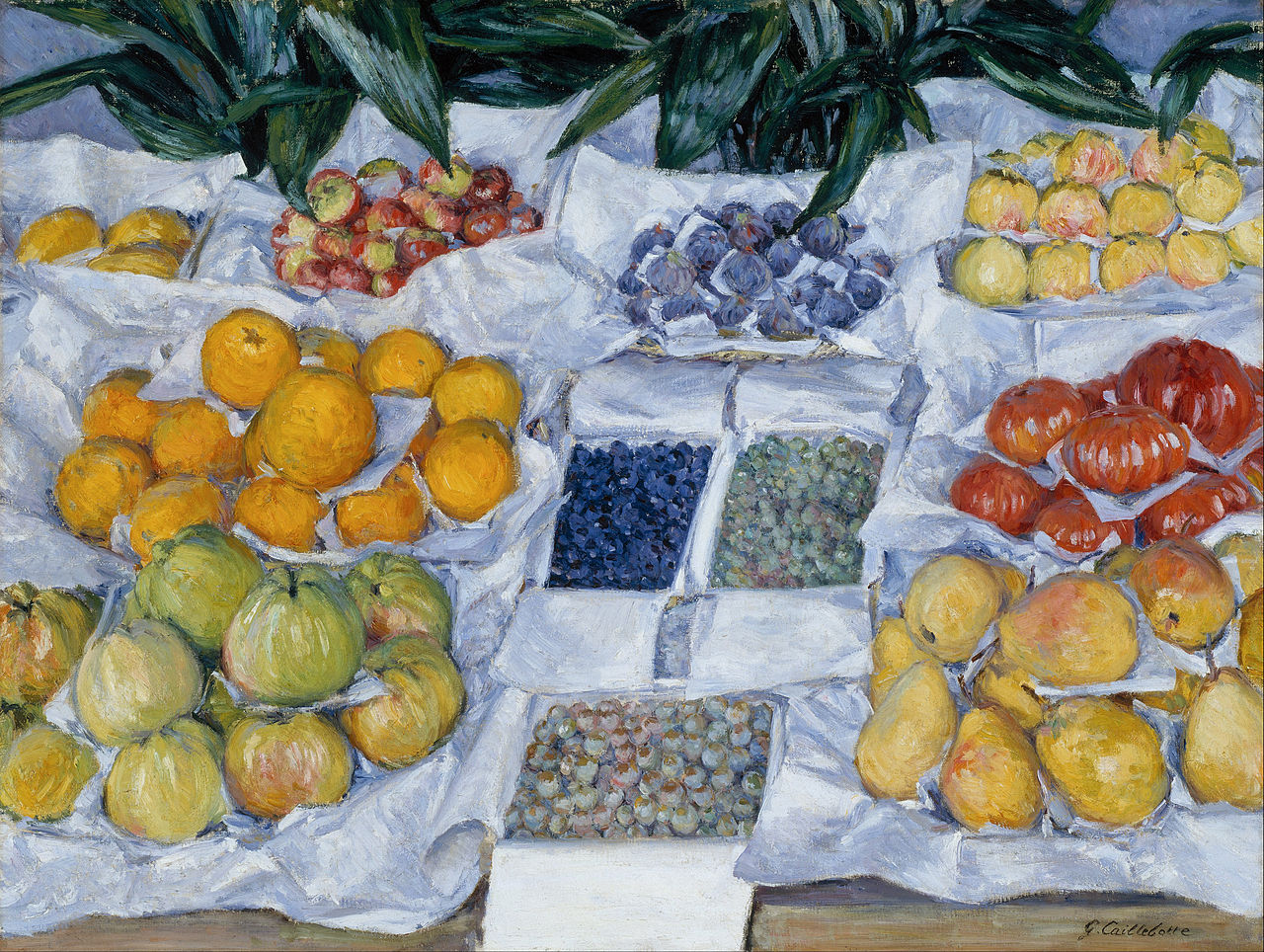
Gustave Caillebotte (1848–1894) was a French artist whose paintings captured the changing city and social life of late 19th-century France. Trained as a painter and deeply interested in photographic composition, he combined careful draftsmanship with subjects drawn from modern urban and domestic settings. He is remembered both for his own canvases and for the important role he played as a collector and supporter of his contemporaries.
Image gallery
10 Images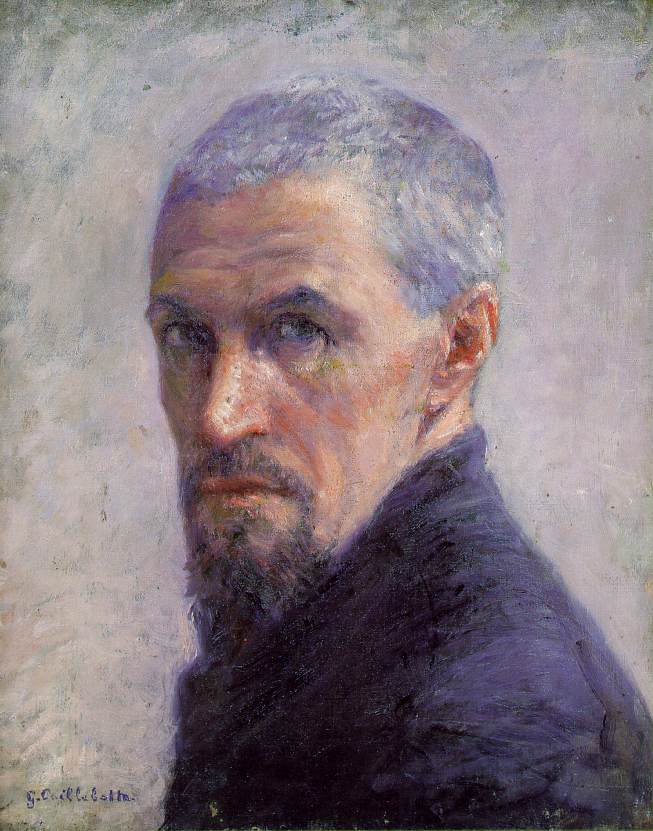



Life and career
Born into a well-to-do Parisian family, Caillebotte painted during the 1870s and 1880s, a period of rapid urban transformation. He exhibited with a group of artists who became known as the Impressionists, though his approach often retained a stronger sense of solidity and perspective than many of his peers. His interest in recent visual technologies informed his compositions and framing.
Style, subjects, and technique
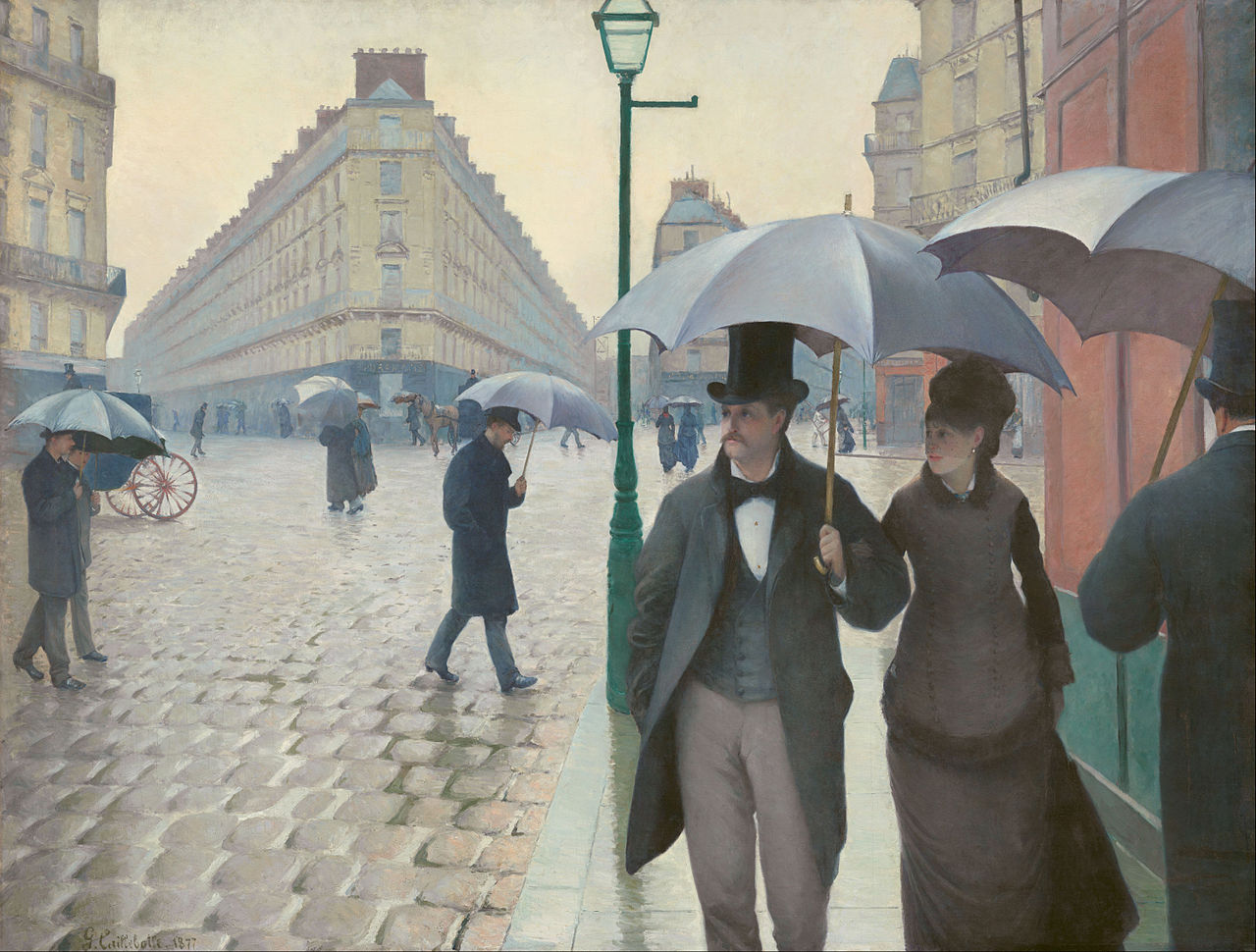
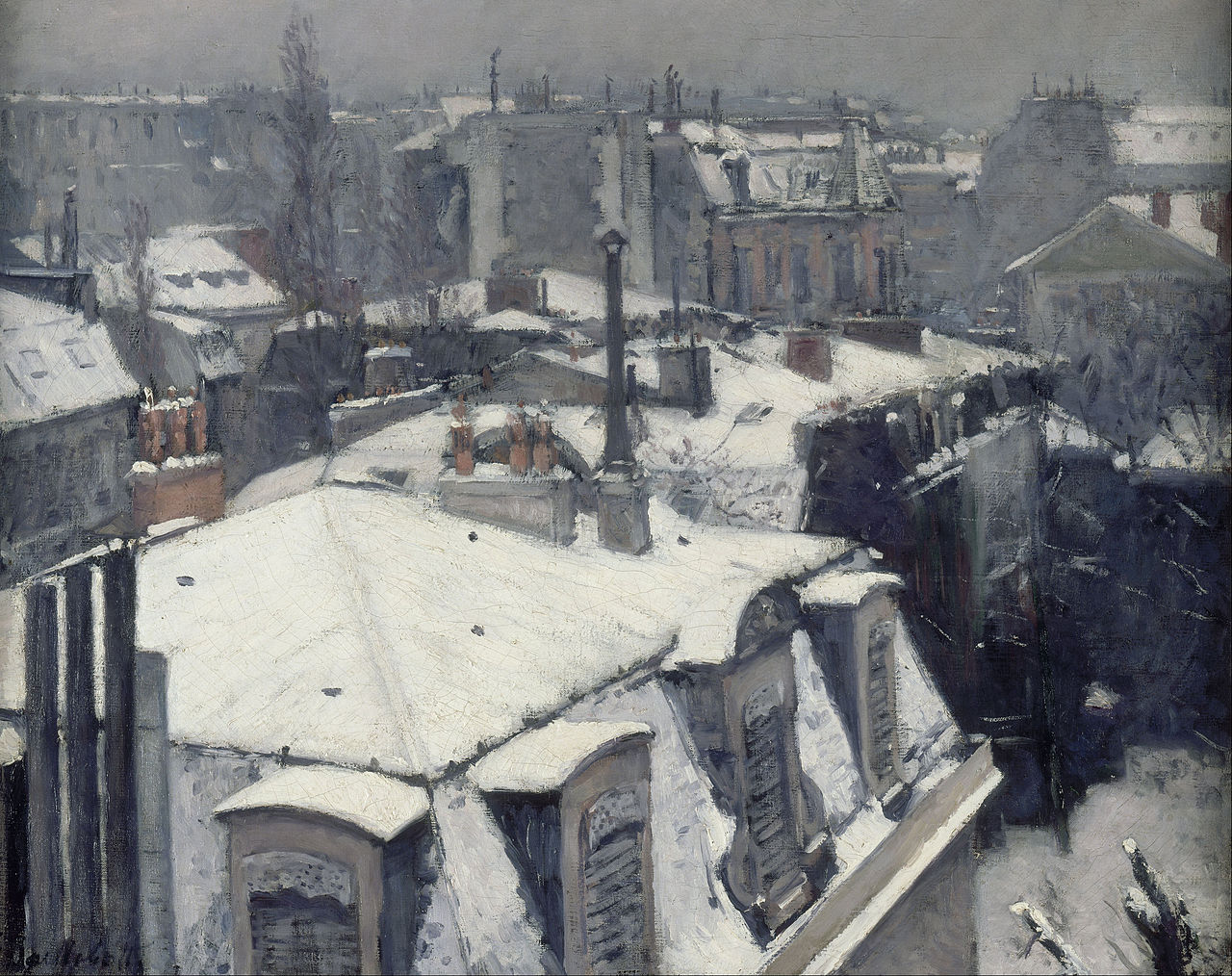
Caillebotte favored precise modeling, bold perspective, and a careful attention to surface and reflection. Frequently depicted themes include Parisian boulevards in wet weather, domestic interiors, and leisure scenes on rivers and boats. His cropping, vantage points, and the way figures occupy space show the influence of photography, while his handling of light and color connects him to the broader Impressionist project.
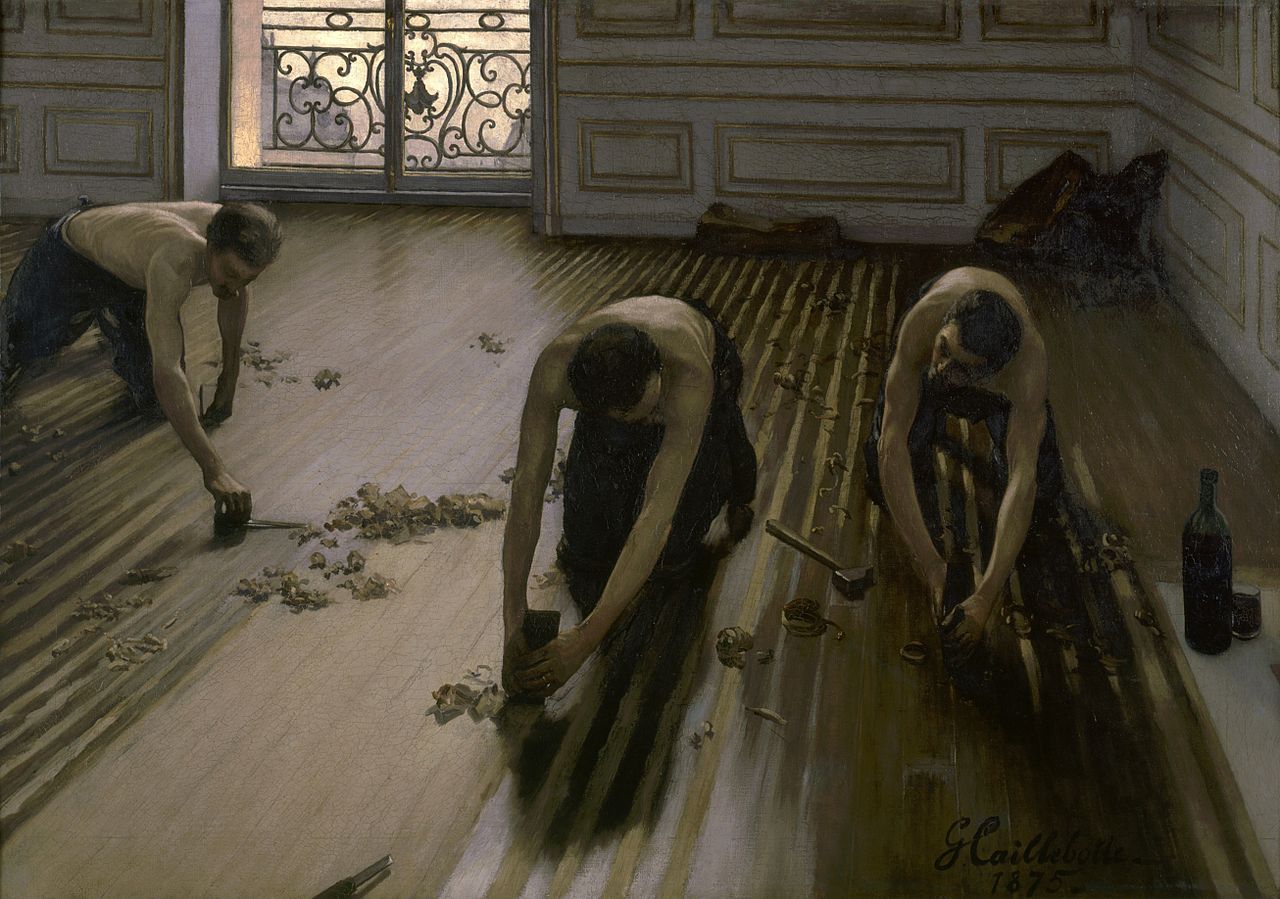
- Notable works: The Floor Scrapers (Les Raboteurs de parquet), Paris Street; Rainy Day, and several rowing and riverside scenes.
- Techniques: strong linear perspective, controlled palette, and photographic-like framing.
Aside from painting, he acted as an important patron. He acquired many works by Monet, Renoir, Degas and others, supporting them financially and helping to organize exhibitions. After his death his collection was offered to the French state; these works later enriched public museum holdings and helped shape how Impressionism was received by later generations.
Caillebotte’s reputation has evolved: once undervalued relative to some Impressionists, he is now appreciated for bridging realism and Impressionism, for his urban vision, and for the dual legacy of his own paintings and the collection he preserved. For further images and references, see artists described as painter and sources discussing photographic approaches to composition.
Related articles
Author
AlegsaOnline.com Gustave Caillebotte: painter, patron, and observer of modern life Leandro Alegsa
URL: https://en.alegsaonline.com/art/41519