
Gunsmoke — American Western Television Series (1955–1975)
Gunsmoke is a long-running American Western drama about U.S. Marshal Matt Dillon in Dodge City. It aired on CBS from 1955 to 1975, producing 635 episodes and several later television movies.
Gunsmoke was a landmark American Western drama series that portrayed life in and around Dodge City, Kansas, during the late 19th century. Conceived from an earlier radio program, the television version debuted in 1955 and ran for twenty seasons on CBS as a major network series. The show was created by John Meston and became noted for its adult tone, moral complexity and character-driven stories.
Image gallery
3 Images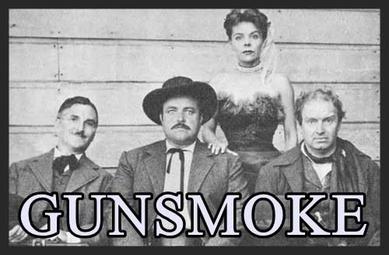
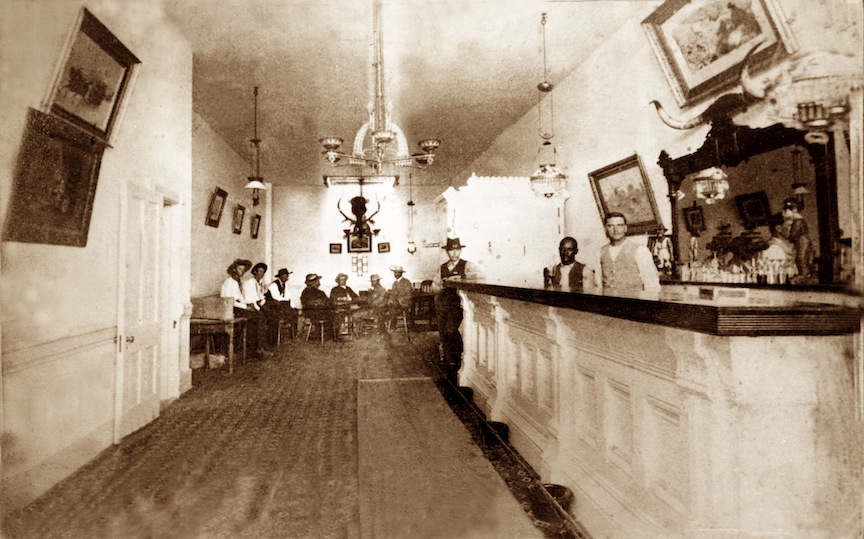
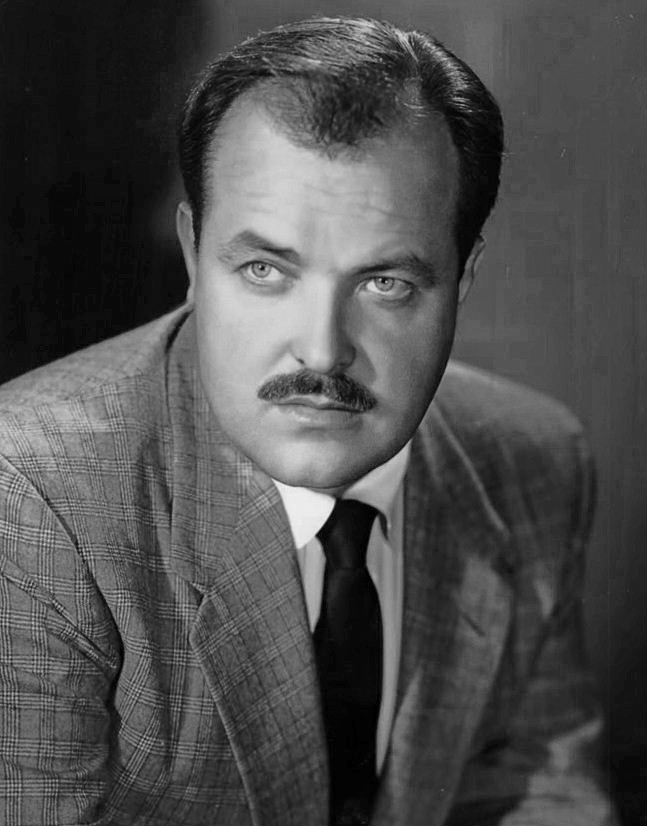
Premise and principal characters
The central figure of the series is U.S. Marshal Matt Dillon, the lawman charged with keeping order in a frontier town where disputes, commerce and personal rivalries often intersected. Producers considered prominent film names early in casting and the pilot was associated with John Wayne, before the role was given to James Arness, who portrayed Dillon for the program's entire television run. The program featured a reliable ensemble and a rotating set of supporting players and guest stars.
The main cast included several recurring figures who became familiar to viewers: a deputy with a limp and a dry wit, the town doctor who provided both medical care and moral counsel, and the proprietor of the local saloon who served as a social center for Dodge City. These roles anchored the series and allowed episodic stories to reflect ongoing relationships as well as single-episode conflicts.
- James Arness as Marshal Matt Dillon — played the central lawman throughout the series.
- Dennis Weaver as Chester Goode — a loyal assistant and friend — Weaver.
- Milburn Stone as Doc Adams — the town physician who appeared across many seasons.
- Amanda Blake as Miss Kitty Russell — owner and operator of the Long Branch Saloon — Blake.
- Ken Curtis as Festus Haggen — a later, popular deputy character who arrived in subsequent seasons.
- Burt Reynolds as Quint Asper — a blacksmith in early seasons — Reynolds.
Production, format and broadcast history
Gunsmoke began as a half-hour program; from its 1955 premiere through 1961 episodes were typically 30 minutes long. In the early 1960s the show expanded to an hour-long format, allowing fuller plots and deeper character development. The series started in black-and-white and later switched to color as network television modernized. Over its two-decade run the show produced 635 episodes, a notable output for a dramatic series of the period.
Guest stars and notable appearances
One of the series' distinguishing features was its roster of guest performers, which included both established stars and actors early in their careers. The series welcomed a wide range of talent, and several performers who later became major film or television figures appeared in single episodes or short arcs.
- Bette Davis
- Harrison Ford
- Jon Voight
- Kurt Russell
- Jodie Foster
- John Wayne appeared in connection with the pilot and promotional material.
Later revivals and television movies
After the series ended in 1975, the setting and its principal character returned in several made-for-television reunions that reunited key cast members and revisited the world of Dodge City. These films allowed fans and new viewers to see longstanding characters in later-life stories and kept the franchise in public view through the late 20th century. One of the reunion projects was released in the late 1980s, and further movies followed in the 1990s.
- Gunsmoke: Return to Dodge (1987)
- Gunsmoke: The Last Apache (1990)
- Gunsmoke: To the Last Man (1992)
- Gunsmoke: The Long Ride (1993)
- Gunsmoke: One Man's Justice (1994)
Legacy and cultural impact
Gunsmoke's influence extended beyond its episode count. It helped shift the televised Western away from purely action-oriented plots toward more morally complex storytelling that examined community, justice and personal responsibility. Its long run bridged radio origins and the era of modern hour-long dramatic television, and it remains a frequent reference point in studies of television history, the Western genre and popular culture of mid-20th-century America.
For readers seeking further detail, cast lists, episode guides and production histories provide comprehensive coverage of individual seasons, notable episodes and behind-the-scenes developments that shaped the series' two decades on American television.
Related articles
Author
AlegsaOnline.com Gunsmoke — American Western Television Series (1955–1975) Leandro Alegsa
URL: https://en.alegsaonline.com/art/41453
Sources
- freebase.com : Information on Gunsmoke
- imdb.com : Gunsmoke episodes at the Internet Movie Database